


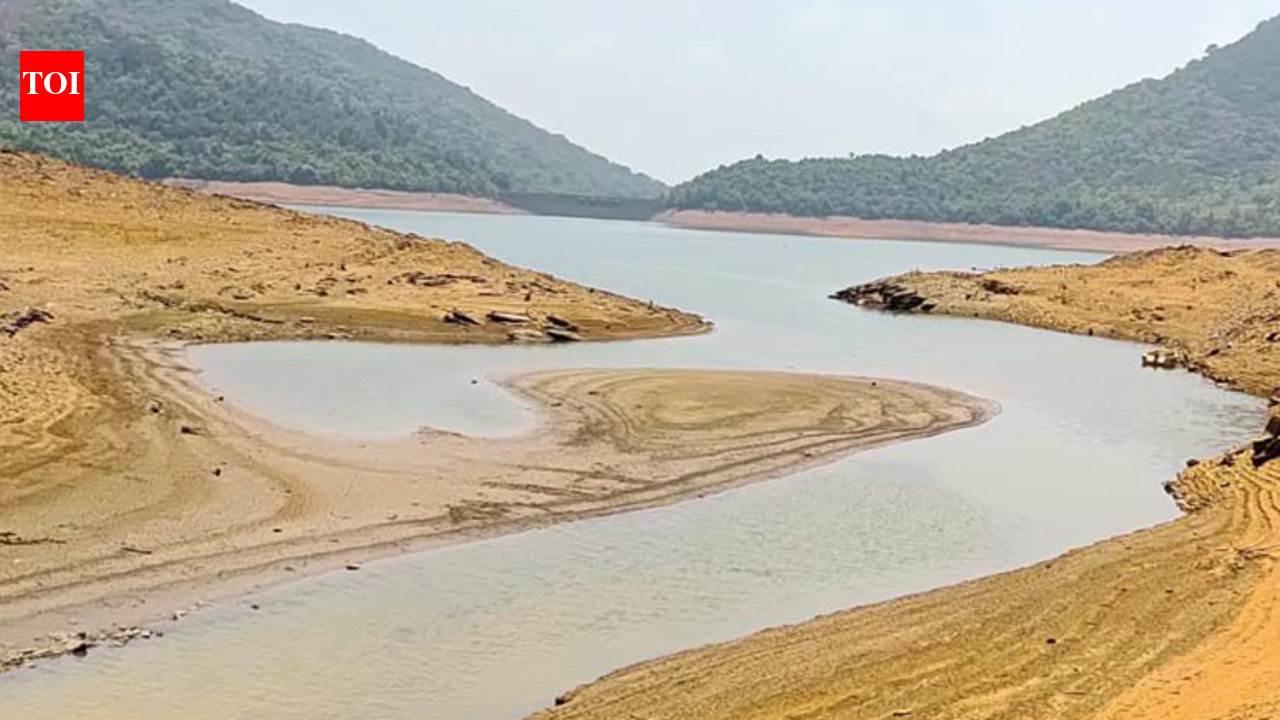
Keri: The water level in Anjunem Dam has reportedly dropped to around 16% of its storage capacity, raising concerns over both the quantity and quality of water being supplied to consumers in Sattari, Bicholim and adjoining areas.For over a month, residents have complained that the water supplied for domestic and drinking purposes has a foul smell, greenish colour and unpleasant taste. Despite repeated complaints, the situation appears to have worsened, prompting concerns about whether the water is safe for consumption.Experts say water quality often deteriorates when reservoir levels fall drastically. As water volume decreases, the concentration of organic matter, nutrients, suspended solids and other contaminants increases. Stagnant water, high temperatures and excess nutrients can trigger algal and cyanobacterial blooms, imparting a green colour and foul odour to the water.Lower water levels and the decomposition of organic matter reduce dissolved oxygen, creating anaerobic conditions that generate gases such as hydrogen sulphide and methane, which cause foul smells. Sediments containing accumulated organic matter, nutrients, heavy metals and bacteria may also get disturbed as water levels approach dead storage, contaminating the remaining water.During summer, reservoirs often develop stratified layers, with deeper layers becoming oxygen-deficient and containing higher concentrations of iron, manganese, ammonia and harmful microorganisms.Experts have also expressed concern over reduced effective storage due to siltation and catchment degradation around the reservoir, stressing the need for continuous monitoring.Dead storage refers to water below the normal outlet level and is generally not intended for routine drinking water supply as it contains higher levels of sediments, organic matter and nutrients, along with lower dissolved oxygen. Such water may also contain elevated concentrations of iron, manganese, ammonia and disease-causing microorganisms. Though it can be used during emergencies, it requires intensive treatment before being supplied for consumption.Scientific studies have shown that low-level reservoir water may contain coliform bacteria, including E. coli and Enterococcus, which can cause diarrhoea, vomiting, stomach cramps, skin and eye irritation, fever and, in some cases, affect liver function.When contacted, executive engineer of WRD, Anil Parulekar, said, “Though the water level in the Anjunem dam reservoir has reduced, there is no cause for concern. Water is sufficient and safe to meet drinking water needs for at least one month. We have taken care to supply adequate raw water.”Poriem MLA Deviya Rane has repeatedly raised the issue of drinking water quality in Keri and surrounding areas during assembly sessions. Though the govt agreed to examine the matter, residents continue to complain about unsafe drinking water.ZP member Nilesh Parwar said, “I will immediately bring the issue to the notice of the concerned authorities and ask them to take necessary steps to resolve the problem on a priority basis.”
Experts have expressed concern over reduced effective storage of the Anjunem dam due to siltation and catchment degradation around the reservoir
