






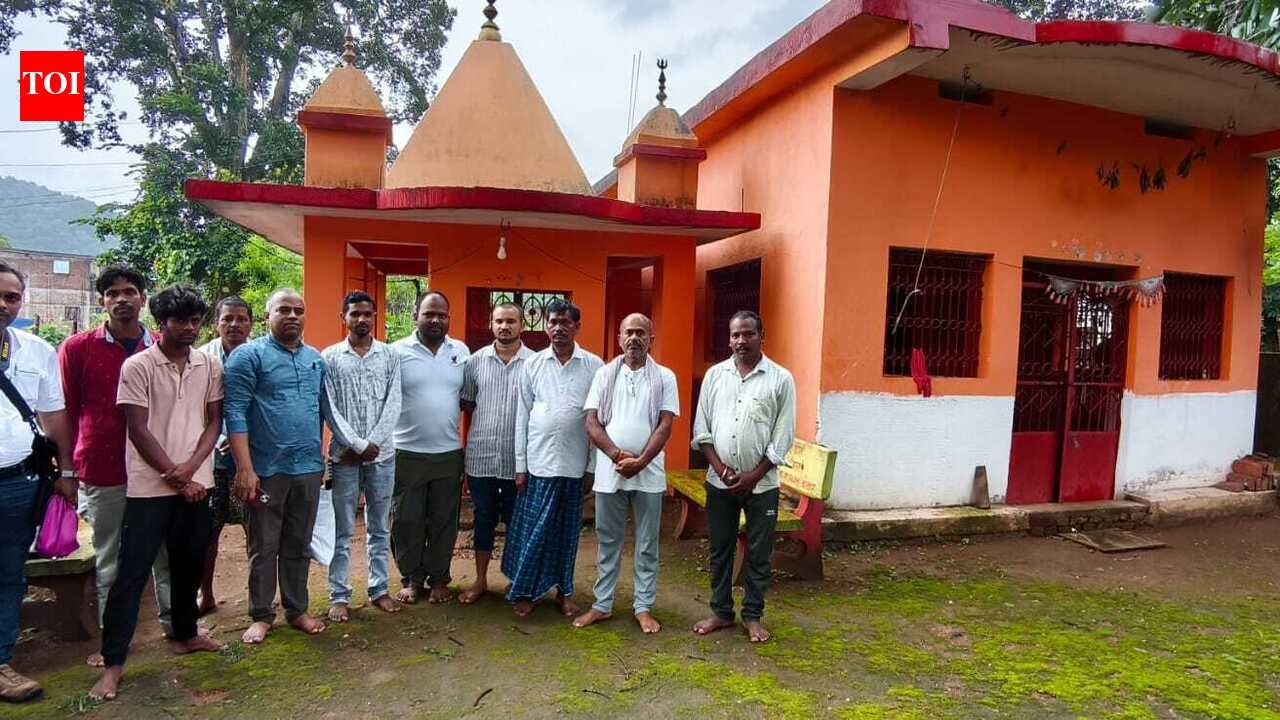
Hazaribag: The forests and hills of Hazaribag’s Chouparan block are drawing renewed attention from archaeologists, with ancient sculptures, temple remains and antiquities pointing to sustained religious and cultural activity in the region.An Archaeological Survey of India (ASI) Ranchi circle team on Sept 25 inspected archaeological remains at Silodar, Chhotki Murtiya and Badki Murtiya in Choradaha panchayat, and adjoining forest areas. The exercise is part of an ongoing effort to document sites and prepare reports on their antiquities and structures.Assistant archaeologist Neeraj Mishra, who led the inspection, said the survey was being conducted under the direction of superintending archaeologist Karbi Saha. Mishra said Chouparan was located on the ancient Uttarapatha, a major route, with subsidiary paths linking it to other parts of present-day Jharkhand and the Chotanagpur plateau.The survey has recorded remains associated with Buddhist, Jain and Hindu traditions, including sculptures identified as the Buddhist goddess Tara, stupas, ancient Shivalingas, stone images and temple structures. Archaeologists said the findings indicate that the area may have formed part of a wider network of movement used by traders, pilgrims and religious communities.At Silodar, the team examined a sculpture preserved by social worker Jagdish Yadav. He said he had found it near a river about 30 years ago and later installed it in a temple on his hotel premises. The ASI team identified the image as Tara. It depicts multiple images of Gautam Buddha in different postures on the deity’s head and appears to have features associated with the seventh or eighth century. Mishra, however, said its exact date, iconography and form would require scientific study.Residents said Murtiya’s name was linked to ancient sculptures found in the forests. Several images recovered decades ago at Chhotki and Badki Murtiya have been preserved by villagers in temple enclosures.The inspection follows reports of archaeological remains at Daihar, Sohra, Hathindar, Mangarh, Chaithi and Papro. These discoveries have raised the possibility of a cultural route linking Bodh Gaya, Chouparan and Itkhori, though this corridor remains to be established through further archaeological research.


