



A collection of rare banknotes that arrived anonymously at a charity shop in Edinburgh has raised £85,860 at an auction held on Wednesday. The British Heart Foundation (BHF), which received the donation, will use the money to support research into heart and circulatory diseases. The collection contained almost 160 lots, including a banknote featuring a young Queen Elizabeth II and rare currency specimens from Iraq and Saudi Arabia.The sale was handled by London auction house Noonans, which attracted bids from collectors around the world. According to the auction house, several notes sold for more than they might ordinarily have fetched because buyers knew the proceeds would support a charitable cause.For the British Heart Foundation, the collection had arrived without any indication of its value. Employees at its Edinburgh store were unfamiliar with the notes and had initially been unable to assess their importance.The albums were eventually examined by specialists, leading to an auction that brought in more than £85,000. Noonans also agreed not to charge its vendor commission, allowing the charity to retain more of the money raised.
What made the donated banknotes valuable?
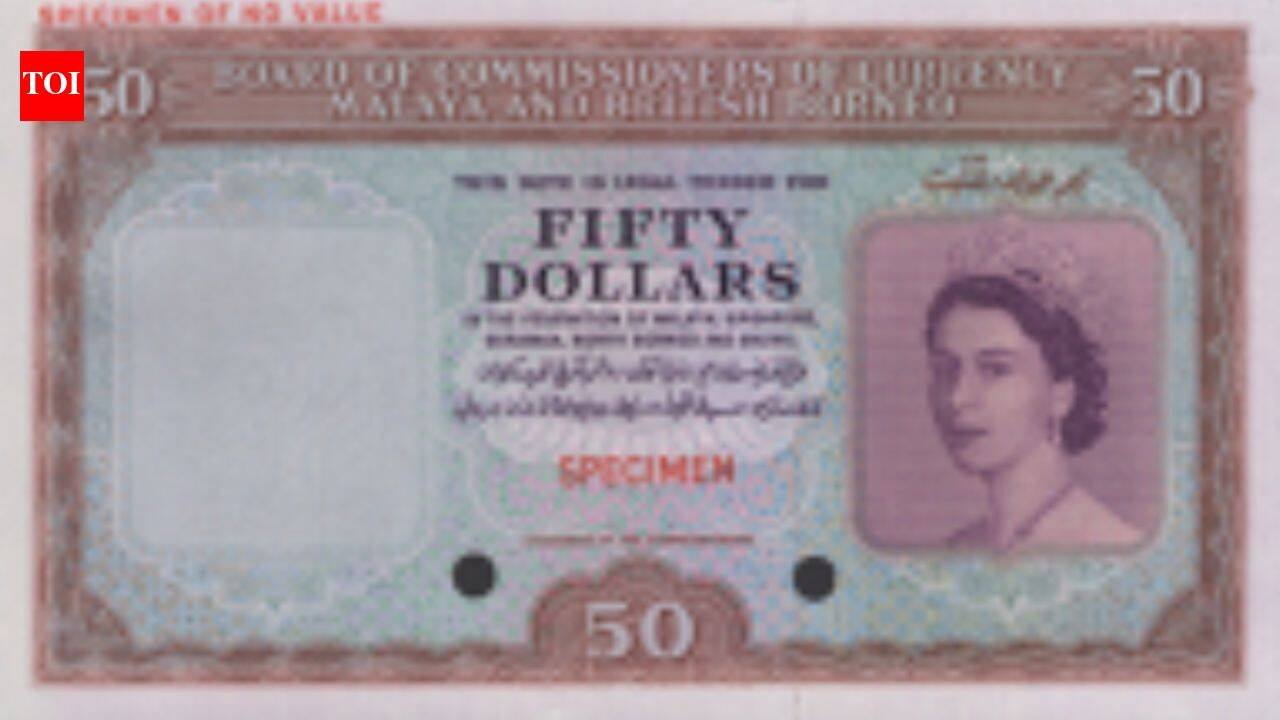
The collection was not made up entirely of ordinary currency. It included specimen and trial banknotes issued in different countries, with several examples considered extremely rare by collectors.Among them was an uncirculated banknote bearing the portrait of a young Queen Elizabeth II. The note had been issued by the Board of Commissioners of Currency Malaya and British Borneo.Another item was a 1947 Iraqi 10-dinar colour trial, described by the British Heart Foundation as extremely rare. The albums also contained a specimen 100-riyal banknote from Saudi Arabia dating to 1961.These notes formed part of a much larger collection that attracted interest beyond Britain. Collectors from different countries participated in the auction, helping push the final total to £85,860.Andrew Pattison, head of the banknotes department at Noonans, said the collection was unusual both for its quality and for the reason it was being sold.“Material of this quality is extremely rare and collectors all over the world have responded extremely well, with many of the notes selling for that little bit more than normal on account of the charitable nature of the sale,” Pattison said.According to the official auction catalogue published by Noonans, a 1952 South African Reserve Bank £100 colour trial fetched £7,000, while a rare Malaya and British Borneo banknote featuring a young Queen Elizabeth II sold for £4,000. A 1947 Iraqi 10-dinar colour trial also fetched £4,000.
Rare banknotes donated to British Heart Foundation.
How did the collection reach the auction house?
The banknotes had been donated to the British Heart Foundation’s home store at Straiton Retail Park in Edinburgh. They were kept in albums, and the person who handed them over did not disclose their identity.At the time, employees could see that the folders contained banknotes from different countries, but they did not know whether the collection had any substantial monetary value.Instead of attempting to sell the notes immediately, the store sent the albums to the charity’s eBay team in Leeds. The team investigated the collection, and its potential value became apparent.Shop manager David McCormack recalled the employees’ reaction when they learnt what the donation might be worth. “When we discovered their potential value, we were flabbergasted,” he said.The British Heart Foundation subsequently arranged for Noonans to handle the collection. The specialist auction house brought the banknotes before collectors, rather than selling them through the charity’s usual retail channels.
How will the £85,860 be used?
The money will go towards the British Heart Foundation’s work supporting research into heart and circulatory diseases. The organisation raises funds through its charity shops and other activities to finance medical research.Allison Swaine-Hughes, the charity’s chief commercial officer, welcomed the result and thanked the donor for choosing the organisation. “We are absolutely thrilled that this extraordinary collection has raised £85,860 for British Heart Foundation,” she said.She also acknowledged the role of the Edinburgh employees, who recognised that the albums needed further investigation, and Noonans, which provided specialist auction services and waived its commission.
