



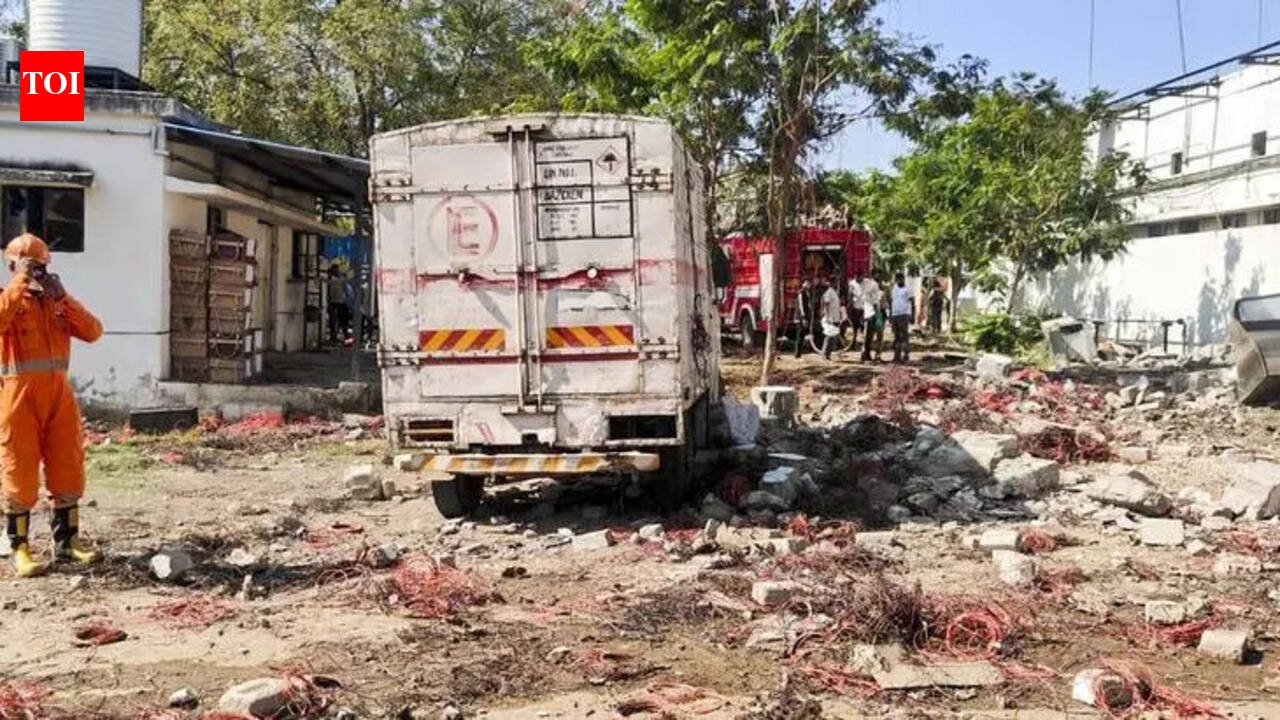
Nagpur: Buoyed by high demand during Operation Sindoor and the turbulent geopolitical situation, Nagpur has turned into India’s ammunition hub, but the city is sitting on a powder keg, where workers are just a fraction away from death. Nagpur district has witnessed 35 deaths in 36 months — all ground-level workers drawing minimum wages. This excludes a major blast that took place in the ordnance factory in Bhandara, 60km away, where nine workers died in January 2025.In 2016, at least 16 persons, including an officer of Lt Colonel’s rank died at Pulgaon, 90km off Nagpur, at the army’s central ammunition depot (CAD), known to be the biggest in Asia. A building storing an anti-tank explosive caught fire in the middle of the night and exploded. Two years later, another six workers died at CAD, while destroying expired rockets.Nagpur has 48 big and small private sector facilities licensed for making explosives. This includes those making high-energy material like HMX, RDX and TNT used by the defence sector, low-powered explosives that go into mining operations to even firecrackers. A huge chunk is exported.The industry regulator — Petroleum and Safety Organisation (PESO) — also has its headquarters here, but it’s marred by manpower shortage. Every manufacturing set-up has to get a separate licence from PESO even if it belongs to the same company. The explosives manufacturing facilities here are controlled by 5-6 private players. The biggest is the Solar Group, which caters to both industry and defence sectors. Data available with PESO shows material like pentaerythritol tetranitrate (PETN), detonators, military fuses, cast boosters, emulsion explosives and gunpowder are made here.The recent geopolitical conflict triggered demand for ammunition and spurred manufacturing activity here. Private manufacturers have their order books full for making high-energy explosives that are mainly headed to Europe, South Africa and even less developed countries.With the Solar Group the biggest player here, making a whole gamut of weapons from grenades to rockets, even SBL Energy, where the blast took place on Sunday, had a TNT plant with 3000ton/year capacity. Both Solar and SBL had their share of accidents and workers’ deaths.PESO, which comes under the ministry of commerce and industry, is solely responsible for private sector manufacturers. A manpower crunch hampered it for over a decade. With thousands of facilities spread over the country, there are less than 100 officers who can carry out inspections, said sources.PESO’s job is to grant a licence and mandate limits for storage and manpower on given premises. The safety protocol during manufacturing is governed by the Explosives Act. There is scope for checks, but the organisation is thinly stretched, said sources. Even PESO was rocked by a corruption scandal with its officers facing CBI raids.The regulator does not have prosecution powers, as these lie with the state bureaucracy. Even the district magistrate or police have the right to inspect the units. It can be done on a random basis, said a source on condition of anonymity. PESO, which has to conduct an inquiry into the cause of an accident, submits its report to the district magistrate. Reports of all accidents, except one, have been submitted so far.


