



Srinagar, Jul 08: In a first-of-its-kind initiative, authorities and waste management experts are attempting to transform the annual Shri Amarnath Ji Yatra 2026 into India’s first zero-landfill pilgrimage by converting waste into resources and introducing innovative technologies ranging from water ATMs to biogas generation from mule dung.
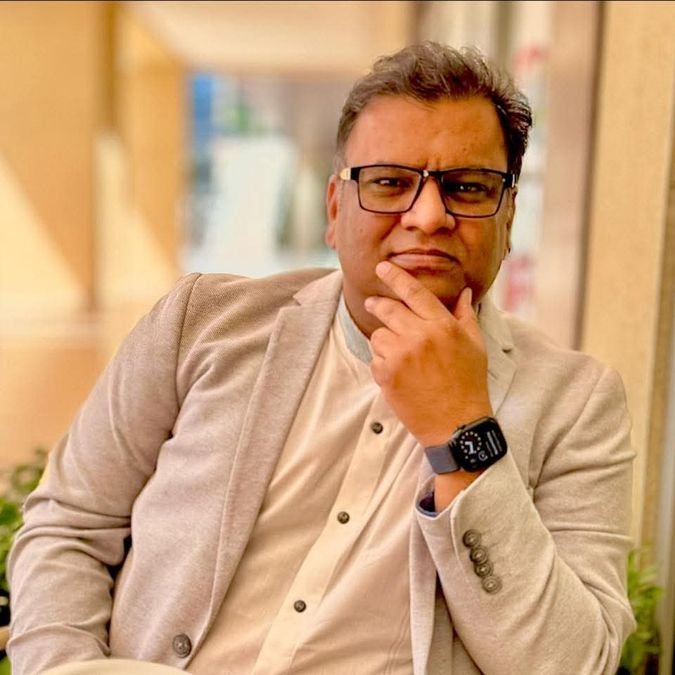
Speaking exclusively to Rising Kashmir, Dr Sameer Sharma, Chief Executive Officer of Swaaha Resource Management Pvt Ltd, the startup entrusted with implementing sustainable waste management systems during the yatra, said an ambitious plan is underway to ensure that not even a single kilogram of waste ends up in landfills.
“We have been given an opportunity by the Directorate of Rural Sanitation (J&K) to ensure a zero-landfill yatra. The first step is collection, followed by segregation and processing of waste so that nothing ultimately reaches landfill sites,” Sharma said.
According to him, the newly notified Solid Waste Management Rules-2026 are being implemented in letter and spirit during this year’s pilgrimage. Dustbins have been installed all along the twin routes leading to the holy cave shrine, while dedicated manpower has been deployed to collect both solid and liquid waste generated during the annual pilgrimage.
Sharma said behavioural change among pilgrims forms a crucial component of the initiative. Street plays, puppet shows and awareness campaigns are being organised at langars to encourage environmentally responsible practices among devotees.
“We are urging pilgrims to carry reusable steel utensils including a thali, katori and spoon to minimise disposable waste. We have also requested yatris to avoid plastic bags and instead use cloth bags,” he said.
As part of the campaign, nearly 1.5 lakh cloth bags have been distributed among pilgrims to prevent plastic from reaching the fragile Himalayan ecosystem surrounding the cave shrine.
With the number of pilgrims expected to cross five lakh this year, authorities estimate waste generation could touch nearly 400 metric tonnes. If the number rises to seven lakh, the waste burden could increase to nearly 700 metric tonnes.
To tackle plastic pollution, eight water ATMs have been installed across the yatra route under a refill-based model. Each ATM supplies around 6000 litres of drinking water every 12 hours, encouraging pilgrims to refill reusable bottles instead of purchasing packaged water.
“The concept has the potential to reduce nearly 50,000 plastic bottles every day and around 30 lakh plastic bottles during the entire yatra period,” Sharma said. However, perhaps the most innovative aspect of the initiative lies not in plastic management but in addressing the enormous quantity of waste generated by the thousands of ponies and mules that ferry pilgrims and supplies to the shrine every year.
Sharma said between 25,000 and 30,000 mules operating on the pilgrimage routes generate massive quantities of dung daily, posing a significant environmental challenge in the ecologically sensitive region. “For the first time, we have installed mule dung collection machines and established a five-cubic metre biogas plant to convert the waste into methane,” he said.
The project aims to create a weather-resilient biogas system capable of producing clean energy from animal waste while simultaneously reducing pollution along the yatra routes.
As a demonstration of the technology, a methane-powered lamp has been installed at the Baltal exhibition centre, where visitors can witness energy generated directly from mule dung. Sharma said the long-term objective is to utilise the technology for producing green fuel that could eventually support services for pilgrims during future yatras.
“If we succeed in achieving a zero-landfill yatra, it will be a major milestone for sustainable pilgrimage management in India. Pilgrims must remember that they are coming for a clean and green yatra and not to pollute the environment,” he said. The waste management company says it is pursuing a “waste-to-resource” model focused on landfill diversion and renewable energy.


