




We’re not just in the Anthropocene (a geological era shaped by human activity). Some researchers argue that we are also in the Third Epidemiologic Transition: a time of diseases appearing in new regions, and reappearing in places where they had been eradicated, as a result of high-speed global trade and travel, superdense cities and antimicrobial resistance (among other factors, such as the resurgence of antivaxxers, and the climate crisis).
What does this mean for our world? Sickness, and health, have implications far beyond the wellness of the individual, family and community, says historian Susan Wise Bauer.
In her new book, The Great Shadow: A History of How Sickness Shapes What We Do, Think, Believe, and Buy, she explores how sickness and sustained health have shaped ideas of self, work, religion, the future, even our place in the universe.
Physical health provides an invisible baseline, she notes. The moment sickness strikes, or threatens to, it acts as a prism, altering how we perceive ourselves and our world, she notes.
In the century between the earliest understanding of germs in the 19th century and the discovery of antibiotics in 1928, for instance, we were surrounded on all sides by an enemy that we couldn’t fight. This altered a range of social norms. Spitting in public came to be frowned upon, driven by fears over the spread of tuberculosis. Shaking hands and exchanging kisses as greetings fell in and out of favour, depending on what diseases were doing the rounds.
The discovery of antibiotics led to a brief giddy period. “This triumph led us to think we were invincible,” Bauer says. Quarantine wards in hospitals were shut down. Longer, healthier lives altered economics decisions, from saving and investing to acquiring health insurance.
The rise of antimicrobial resistance and of new viruses (HIV, SARS, Ebola, drug-resistant TB) has since dented our sense of invincibility and control.
Researchers are now scrambling to use projection models, AI and new proteins to battle both AMR, and attempt to predict and prepare for future pandemics as the climate crisis brings humans in touch with formerly isolated animal populations. In her book, Bauer traces how this race is unfolding too.
FOR BETTER, FOR WORSE
The idea for this book first came to her, she says, while researching previous works such as The History of the Ancient World (2007; a narrative account of the fall of the Roman Empire) and Story of the World (2001; a series for students).
“Again and again, I would find a primary source that said something along the lines of, ‘A week after the injury, he died,’ or ‘All three children were found dead in their beds in the morning.’ Even powerful historical characters died of the most mundane afflictions: splinters, abscesses, eye infections, tooth rot.” And that’s not accounting for the millions of women who died during or just after childbirth.
Over five years, Bauer dug through memoirs of sickness, ancient texts and peer-reviewed research to tell this story of sickness not from the points of view of doctors and scientists, but of the people affected.
Bauer says she was surprised to discover how many bits and pieces of our current culture survive from these previous eras, even though our understanding of the sicknesses that prompted them has long since evolved. “Scented air fresheners? A holdover from the medieval days of believing that miasma (bad airs) was responsible for sickness. Disposable paper cups? They replaced shared tumblers in an era when we understood something about germs, but had no antibiotics or other defences against them.”
She was perhaps most startled to find how similar our reactions to Covid-19 were to public responses going all the way back to Ancient Rome.
In Constantinople, during the bubonic plague pandemic of 542 CE, citizens resisted quarantine rules and shutdown measures, declaring them extreme and anti-trade, and continued to crowd public squares. During the Black Death (1347-51), believed to have been caused by the plague, there were those who thought drinking plenty of alcohol would keep them safe.
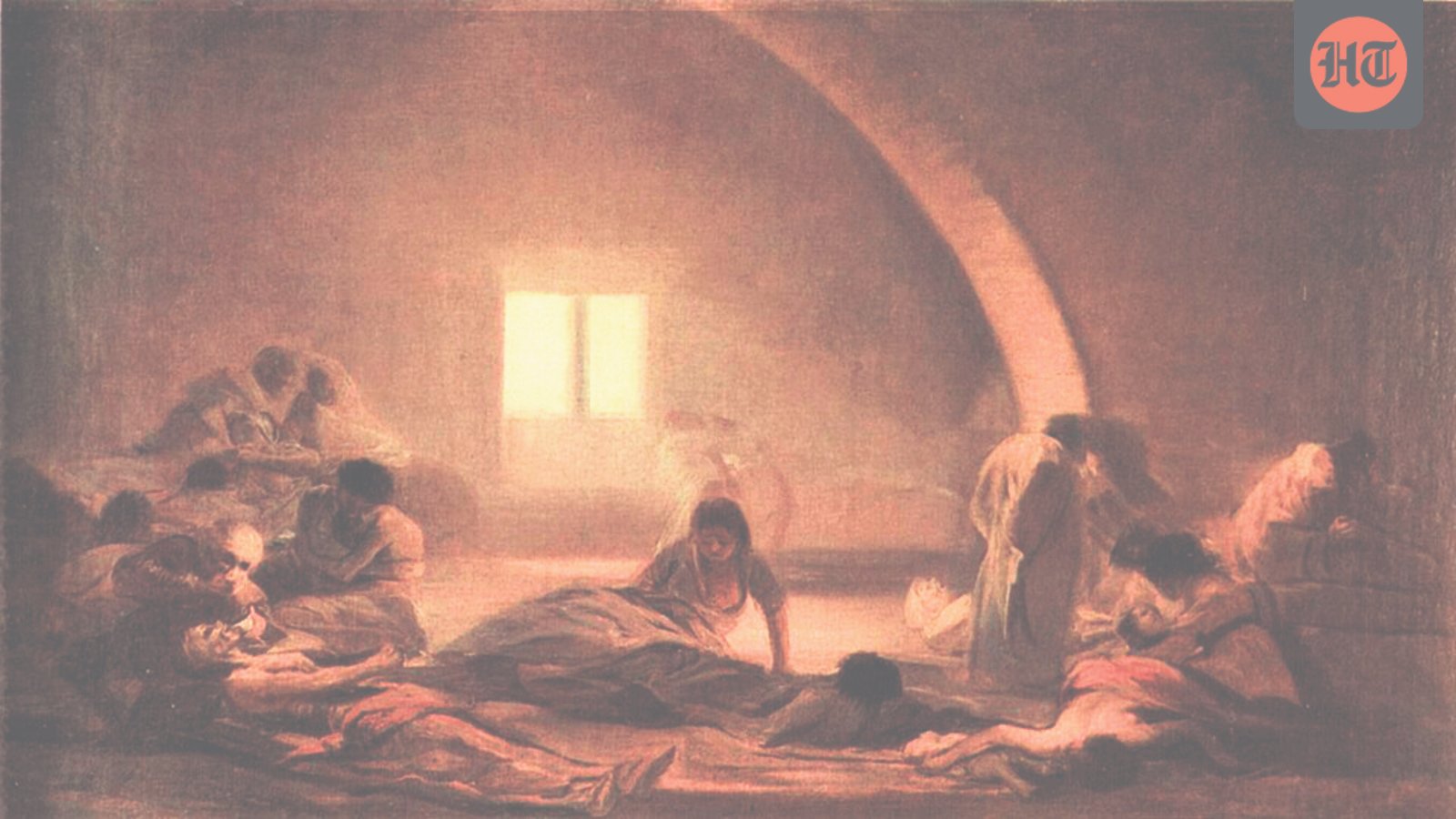
New norms amid the cholera epidemic of the 1830s caused riots across Europe, with hospitals and physicians attacked by mobs who were convinced that quarantine facilities were really slaughterhouses of the poor.
“Before the late-19th century, which is to say for most of human history, anything that went wrong with your body could change everything you hoped for, every action you took, your entire future,” Bauer says. Each time that level of threat has resurfaced, science and reason have come under attack. As we head into a new era of uncertainty and medical evolution, she notes, the history of public response holds vital lessons.


