



The FIFA World Cup has once again turned pubs, breweries and sports bars across India’s biggest cities into mini stadiums, with hospitality businesses betting big on football fans despite late-night kick-offs. In cities such as Delhi and Mumbai, as well as Bengaluru, Pune, Kolkata, Hyderabad, Goa and the football-mad cities of Kerala, including Kochi, Kozhikode, Thrissur and Thiruvananthapuram, venues are installing larger LED screens, upgrading sound systems, offering football-themed food and drinks and expanding operating plans wherever permitted by regulations.
Delhi-NCR, Bengaluru, Mumbai and Goa continue to be among India’s biggest football-viewing markets outside stadiums.(AI Image used for representational purpose)
While cricket continues to dominate India’s sports-viewing culture and the Indian Premier League (IPL) remains the undisputed king of sports-driven business for pubs and bars, the FIFA World Cup is the one football tournament capable of narrowing that gap.Hospitality operators say that although football may not yet generate IPL-sized revenues, marquee World Cup matches involving Brazil, Argentina, England, France and Spain regularly produce packed houses, with bookings surging once the tournament reaches the quarter-finals and semi-finals. For many venues, the knockout stages are second only to the IPL when it comes to attracting sports-loving customers.Big screens, themed menus and football nights are replacing regular weekend entertainmentAcross major metros and football hubs, pubs are reinventing their match-night experience so customers feel like they are inside a football stadium rather than a neighbourhood bar. Giant LED screens, multiple television displays, surround sound systems and dedicated fan zones have become standard offerings, while some venues are replacing DJs and live bands with uninterrupted match screenings.
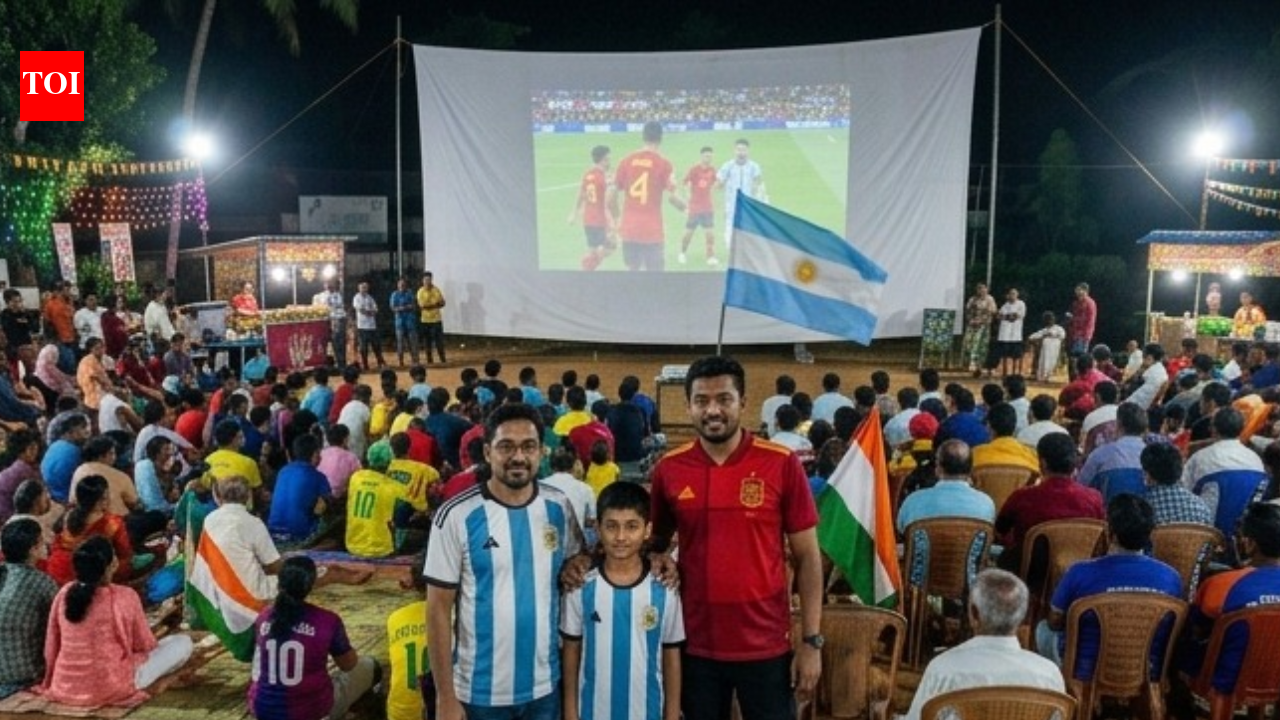
Every FIFA World Cup transforms cities such as Kochi, Kozhikode, Thrissur and Thiruvananthapuram into football festivals.(AI Image used for representational purpose)
Restaurants are introducing country-themed cocktails, sharing platters, bucket beer deals and late-night snack menus aimed at groups staying through 90 minutes and beyond, including extra time and penalty shoot-outs. Some clubs are encouraging fans to wear team jerseys and organising prediction contests, giveaways and trivia quizzes, while others are decorating interiors with national flags and football memorabilia to recreate the atmosphere of an international stadium. Hospitality operators say today’s customers are looking for an immersive experience rather than simply a place to watch television, making ambience almost as important as the football itself.Football boom fuelled by metro cities, but Bengal, Kerala and Goa remain India’s football capitalsDelhi-NCR, Bengaluru, Mumbai and Goa continue to be among India’s biggest football-viewing markets outside stadiums, thanks to their large base of young professionals, expatriates and football enthusiasts.Kolkata remains emotionally attached to the sport because of its rich football heritage, while Pune and Hyderabad have also witnessed growing interest over the years. Kerala, however, occupies a league of its own on India’s football map. Every FIFA World Cup transforms cities such as Kochi, Kozhikode, Thrissur and Thiruvananthapuram into football festivals, with restaurants, sports cafés, beachside shacks and neighbourhood clubs hosting community screenings that often continue till dawn.Giant cut-outs of football stars, streets lined with the flags of Argentina, Brazil, Portugal and other footballing nations, and fan rallies have become a familiar part of the state’s World Cup celebrations. Hospitality operators say football nights, particularly during the knockout stages, generate some of the highest footfalls of the year, reflecting Bengal, Goa and Kerala’s deep-rooted football culture. Across the country, however, business expectations remain influenced by match timings, with weekend fixtures and blockbuster clashes attracting the largest crowds, while relatively modest attendance is seen during lower-profile group-stage encounters.Can football ever rival cricket’s dominance?For India’s hospitality industry, the comparison with cricket is inevitable. IPL evenings routinely guarantee packed venues over two months, thanks to prime-time scheduling, the presence of Indian stars and an enormous domestic fan base.Football faces a tougher challenge because most World Cup matches are played late at night or in the early hours of the morning, limiting the number of casual viewers willing to venture out. Cricket also enjoys year-round engagement through bilateral series, franchise leagues and international tournaments, while football experiences a sharp spike largely during the FIFA World Cup.Yet hospitality operators believe football is steadily building its own loyal audience among younger urban consumers, many of whom closely follow European club football throughout the year. They say the World Cup has evolved into a premium event that may not surpass cricket in scale but delivers some of the highest per-customer spending of any sporting tournament outside the IPL.Social media has become the biggest marketing tool for match nightsInstead of relying on traditional advertising, pubs are aggressively promoting screenings through Instagram, WhatsApp communities and influencer collaborations. Countdown reels, fixture reminders, jersey giveaways and reservation campaigns have become common as venues compete for customers.Fans are increasingly being encouraged to reserve tables well in advance, particularly for the semi-finals and final, with several establishments expecting full houses days before kick-off. Hospitality experts say football screenings also help attract first-time customers who often return for regular dining and nightlife, making the tournament an important branding exercise even if revenues do not yet match cricket-driven events.World Cup remains football’s biggest business opportunity for India’s nightlife industryFor India’s hospitality sector, the FIFA World Cup represents far more than simply screening matches on television. It is an opportunity to create community experiences at a time when live sport is increasingly driving consumer spending and social outings.Whether football can truly match cricket’s commercial pull remains uncertain, but every edition of the World Cup appears to narrow the gap, at least for a few electrifying weeks. As the tournament heads into its decisive knockout rounds, pubs and clubs across India are preparing for their busiest football nights of the year, hoping that every spectacular goal, every tense penalty shootout and every unforgettable upset translates into packed tables, booming business and another step towards making football a bigger force in India’s nightlife economy.


