






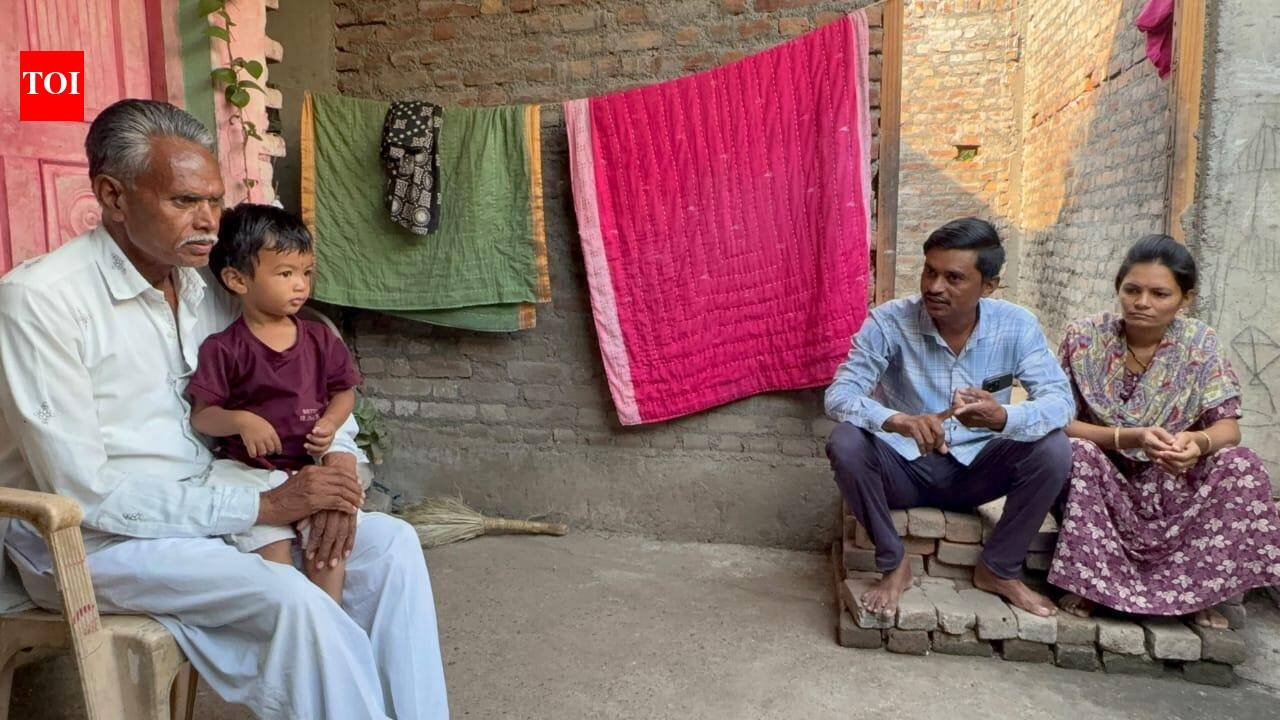
Akola: A farmer from Dongargaon in Akola district has accused a microfinance company of piling on pressure to repay a loan in violation of govt’s directives in times of drought. The aggrieved farmer, Yogesh Nagapure, alleged company representatives repeatedly visit their house and took photographs of his wife without her consent.“We repaid ₹30,000 of the ₹50,000 loan and are ready to pay the outstanding amount too. But our crop has been damaged, and farming has not generated adequate income. They took my wife’s photograph without telling us why it was being taken or how it would be used,” Nagapure alleged.The allegations surfaced days after chief minister Devendra Fadnavis and revenue minister Chandrashekhar Bawankule directed banks to consider the financial distress of farmers affected by crop losses. During his visit to Yevata in Akola district on October 3, Bawankule specifically directed lending institutions against forceful loan recovery.When contacted, company representatives reportedly said they had not received any order in this regard and suggested their head office might provide more information. The company’s detailed response to the allegations is awaited.Ravi Kant Upkar, head of the Krantikari Shetkari Sanghatana, alleged that the govt has failed to curb coercive loan recovery practices by microfinance firms, leaving farmers under mounting financial stress.“There is no visible control over the arbitrary functioning of these microfinance companies. The govt is making announcements, but the ground reality is different. We stand firmly with the farmers,” Upkar said.Agricultural expert Dr Nilesh Patil said gaps in the availability, timing and duration of formal agricultural loans continue to push farmers towards alternative lenders, despite presence of public-sector banks, cooperative banks and other institutional lending networks.“Farmers often have to arrange funds within a limited period, from June to March, while repayment depends heavily on performance of crops, which is vulnerable to vagaries of nature and other risks. The absence of adequate long-term credit facilities is one of the major reasons farmers are pushed towards microfinance companies and private moneylenders,” Patil said.


