


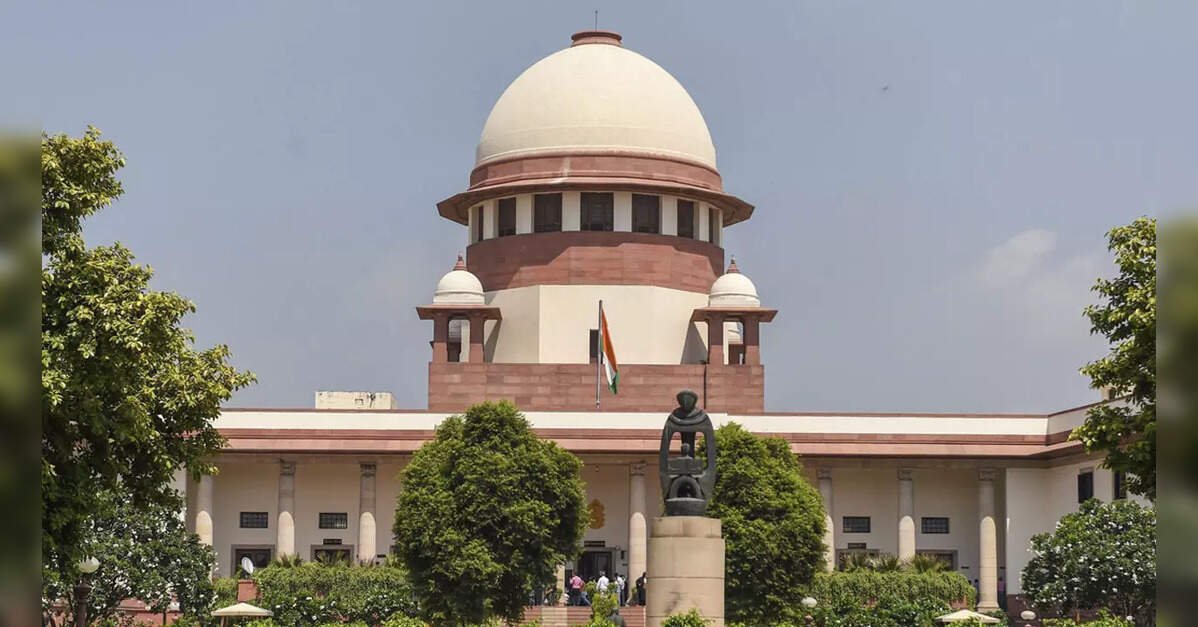
The Office of the Attorney General for India on Tuesday said certain media reports had incorrectly attributed submissions to the Attorney General before the Supreme Court of India in proceedings linked to ethanol allocation for oil marketing companies, including Bharat Petroleum Corporation Ltd (BPCL).
In a clarification, the Attorney General’s office said reports published on June 30, 2026, claiming that the government’s 20% Ethanol Blended Petrol (E20) programme was described as an “ongoing experiment” and that the policy’s impact would become clearer only next year were “completely false” and did not reflect the submissions made before the Supreme Court.
According to the statement, the Attorney General informed the court that multiple writ petitions involving identical issues on allocation of ethanol to dedicated ethanol plants are pending before various high courts. Transfer petitions are being filed to bring these matters before the Supreme Court so that common questions of law arising from the same contractual framework can be considered together, avoiding parallel proceedings and the risk of conflicting rulings.
The move, the Attorney General submitted, would also help ensure expeditious resolution of the litigation so that ethanol supplies to oil marketing companies are not disrupted, allowing them to maintain 20% blending with petrol throughout the year under the national Ethanol Blended Petrol programme.
Taking note of these submissions, the Supreme Court viewed that the proposed transfer petitions be filed and that status quo be maintained with respect to ethanol allocation for the current Ethanol Supply Year 2025–26, insofar as the present matter is concerned.
“At no stage was any submission made that the government’s EBP or E20 blending programme is an ‘experiment’,” the Attorney General’s office said, adding that any suggestion to the contrary was incorrect and did not represent the Union government’s stand before the court.
The statement also urged media organisations to report judicial proceedings with due accuracy, particularly where important national policy initiatives are involved.
