


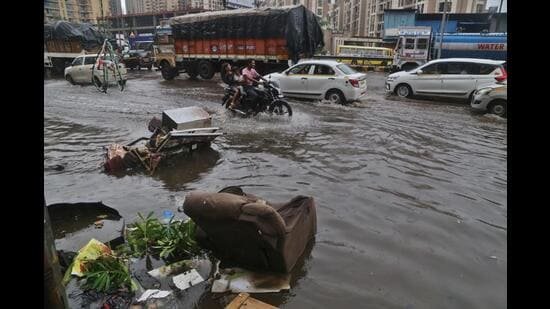
The monsoon arrived late this year, moved across India at a glacial pace, and is expected to be underwhelming in terms of rain (according to the weather office). Mumbai’s flooding with the first rains — and if it’s Mumbai today, it will be Bengaluru tomorrow and Delhi the day after — may therefore appear to be a paradox. If it isn’t, it is because the lack of preparedness in the country’s cities and towns, and the changing nature of precipitation (uneven, with heavy showers interspersed with extended dry spells) have made this a monsoon leitmotif. Wednesday’s scenes of waterlogging and disrupted road and suburban rail traffic in India’s commercial capital were therefore only to be expected.
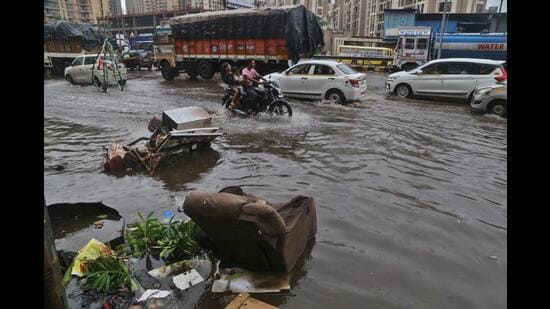
The root causes, across cities, are always the same: permeable surfaces disappearing under asphalt and concrete, encroached wetlands, outdated drainage infrastructure, and poor maintenance. Year after year, the authorities fail to act to mitigate flooding risks and attendant harm. The Bombay High Court’s direction to the Brihanmumbai Municipal Corporation on Wednesday, to ensure open manholes don’t put lives at risk during the monsoon, is a fresh illustration of how unprepared India’s cities are in dealing with the most basic of things. Open manholes?
Experts routinely point to urban local bodies as the weakest link on implementation of prevention measures — the bodies remain underfunded and very often lack the capacity despite having a wide mandate. Whatever little can be executed, is lost to a lack of institutionalised accountability. Effective early warning systems and accurate hyperlocal forecasts would help, but are often not available. The result: Cities don’t get adequate warning, and their creaking infrastructure is quickly overwhelmed by a heavy shower (or two). With weather extremes becoming an annual feature, the need is to pre-empt the risks and ensure civic bodies have the resources and oversight to take necessary measures — in time and at scale.
