



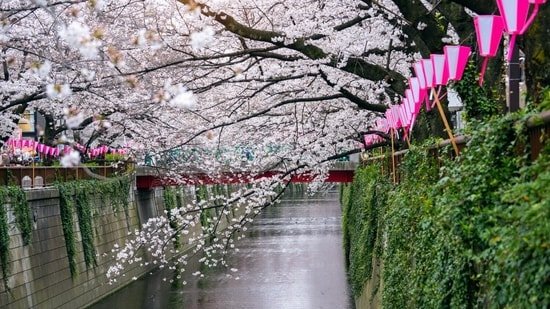
As the pink-hued ‘sakura’ fever begins to sweep across the globe, Indian travellers are setting their sights on Japan. However, navigating the peak bloom 🌸 requires more than just a plane ticket — it requires a tactical approach. Also read | Cherry Blossoms, a bucket list item for tourists in Japan, are now blooming in glory in India
Ranjan Murthy, strategic co-founder of JoyNCrew, shares expert insights with HT Lifestyle on timing, budgeting, and the logistical realities of witnessing Japan’s most iconic cherry blossom season.
The bloom timeline
Predicting the exact moment the blossoms open is a delicate science. While current forecasts provide a roadmap, Ranjan warns that nature often has its own agenda. According to him, Tokyo’s cherry blossoms start blooming around March 20, peak around March 25; Kyoto’s start March 21, peak April 2; Osaka’s start March 25, peak April 1.
“Think of it like tracking the monsoon. A sudden cold spell slows things down, and heavy rain can shorten the peak bloom. If you’re planning around the bloom, build in a little flexibility,” Ranjan says.
Duration: structure vs serendipity
How long should you stay? According to Ranjan, the answer depends on your travel style:
⦿ Group tours (8 days): ideal for those who prefer efficiency. It’s structured to hit the highlights without unnecessary downtime.
⦿ Solo/individual travel (10 days): recommended for those who want to ‘linger’. The extra two days allow for slow walks, night illuminations, and cafe stops that shouldn’t be rushed.
The cost of the ‘postcard moment’
Travelling from India during Japan’s busiest season comes at a premium. For a group tour, travellers should budget approximately ₹3.10 to ₹3.25 lakh per person. While the price tag is significant, Ranjan shares that it is ‘impressively all-inclusive’, covering airfare, visas, insurance, meals, and even high-speed transport like the bullet train (Shinkansen). Paying upfront eliminates the stress of fluctuating local costs during the peak season.
Booking window: The ‘4-month rule’
Ranjan compares the sakura season to Diwali travel in India. To avoid astronomical fares, booking at least four months in advance is required. “Early planning isn’t optional,” he says, adding, “It’s survival.”
Navigating the paperwork
Ranjan shares that the Japan visa process for Indian passport holders is currently transitioning to an appointment-based system via VFS.
⦿ Timeline: processing takes between 7 and 15 days, depending on the city.
⦿ Strategy: apply at least 1.5 months before departure.
⦿ The good news: Unlike the Schengen visa, there are currently no biometric requirements or personal interviews, making it a relatively straightforward process.
Beyond the train window
For those worried about hidden costs, Ranjan clarifies that structured tours generally include both major transport and entry to prime viewing spots. Highlights often include the 704 km bullet train ride from Mishima to Hiroshima and access to iconic locations like Chidorigafuchi Park in Tokyo and the Kyoto Botanical Garden.
Ranjan concludes: “You’re not just riding trains. You’re being taken to places that genuinely deliver that postcard-perfect blossom moment.”
Note to readers: This article is for informational purposes only and not a substitute for professional advice.


