






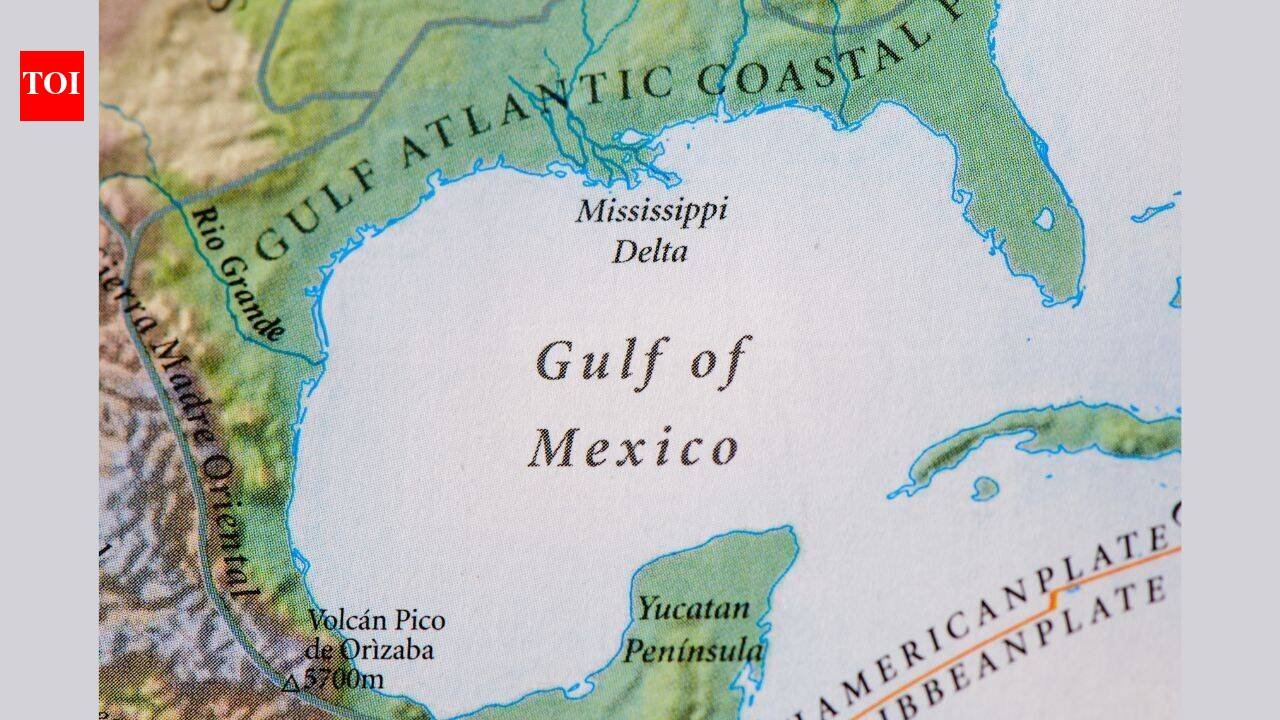
Coastal waters that feed billions of people with food, jobs and recreation are being pushed past their limits by a surge of human-made nitrogen. A new studytitled ‘Coastal Nitrogen, Phosphorus, and Silicon Sources: Integrating Land, Sea, and Human Inputs’ led by Washington State University estimates that in about one in four of the planet’s coastal waterways, people now add more nitrogen than all natural sources combined, with the Gulf of Mexico standing out as a major hotspot. The research, published in Global Biogeochemical Cycles, maps how agriculture, wastewater, urban runoff and fossil fuel emissions are reshaping nutrient balances along shorelines and identifies where cuts in pollution could deliver the biggest gains for marine life and human health.Why nitrogen matters in coastal seasNitrogen, phosphorus and silicon are essential nutrients that fuel the growth of plankton, seagrasses and other marine life. In balanced amounts, they support rich food webs that underpin fisheries and coastal economies. When these nutrients arrive in excess, especially nitrogen from human activities, they can trigger runaway algae growth, deplete oxygen in the water and create dead zones where fish and shellfish struggle to survive. Harmful algal blooms linked to nutrient overload can also produce toxins that contaminate seafood, close beaches and threaten drinking water supplies.The problem is not just how much nitrogen enters the sea, but how it changes the ratios between nitrogen, phosphorus and silicon. Shifts in these ratios can favour certain types of algae over others, alter species composition and reduce biodiversity in sensitive estuaries and bays. For communities that depend on coastal ecosystems, these changes translate into less stable fisheries, more frequent water-quality alerts and higher costs for treatment and cleanup.Human sources now dominate in many hotspotsThe new analysis brings together global data on natural and human-driven inputs of nitrogen, phosphorus and silicon across pre-industrial and modern times. It finds that while natural marine sources still dominate overall, land-based inputs now make up the majority of nutrients in more than half of the world’s coastlines. In a quarter of coastal waterways and a fifth of large marine ecosystems, human activities contribute more nitrogen than all natural sources combined. For phosphorus, human sources exceed natural ones in about 11 percent of coastal waterways.Human nitrogen reaches rivers and coasts through multiple pathways. Fertiliser and manure runoff from farms, wastewater discharges from sewage systems, urban runoff from lawns and streets, and emissions from vehicles and power plants all add reactive nitrogen to watersheds that eventually drain to the sea. In many regions, these inputs have grown sharply over recent decades as agriculture has intensified, populations have expanded along coastlines and infrastructure has struggled to keep pace.Gulf of Mexico and other global hotspotsThe study highlights several regions where human-driven nitrogen loading is especially intense. The Gulf of Mexico emerges as a clear hotspot, where the Mississippi River basin funnels vast amounts of agricultural runoff and wastewater into coastal waters each year. This nutrient pulse helps sustain one of the largest seasonal dead zones in the world, an oxygen-starved expanse that can stretch over thousands of square kilometres and disrupt shrimp and fish populations.Coastlines around Europe and Asia also show strong human signatures in their nutrient budgets. In parts of the North Sea, Baltic Sea and Mediterranean, dense populations, intensive farming and heavy industry combine to push nitrogen and phosphorus levels well above natural baselines. Along the coasts of China, India and Southeast Asia, rapid urbanisation and agricultural expansion have similarly elevated nutrient loads, with sediment records showing rising nitrogen isotopes that point to growing anthropogenic influence.In some regions, human activity is also lowering silicon levels relative to nitrogen and phosphorus. Dams on major rivers trap silicon-bearing sediments before they reach the coast, altering nutrient ratios in ways that can favour harmful algae over diatoms, a key group of plankton that forms the base of many marine food webs.What can be done to turn the tideOne of the most useful outcomes of the study is its ability to pinpoint where reducing human nutrient inputs would make the biggest difference. In many coastal stretches, the research suggests that a significant decrease in land-based nitrogen could move waters out of the danger zone for eutrophication, while in other areas high natural background loads may make management more challenging.Several strategies can cut the flow of nitrogen from land to sea. Upgrading wastewater treatment plants with advanced nutrient removal technology can sharply reduce discharges from cities and towns. On farms, better fertiliser management, cover crops, buffer strips along waterways and no-till practices can keep more nitrogen in the soil and out of rivers. Restoring wetlands and floodplains can also help, as these ecosystems naturally filter and store nutrients before they reach the coast.The study’s framework gives policymakers and conservation groups a way to prioritise investments where they will have the greatest impact on coastal health. Instead of spreading resources thinly across entire coastlines, managers can focus on specific watersheds and nutrient sources that drive the worst imbalances.Why this matters for people and natureCoastal ecosystems support livelihoods for billions of people through fisheries, tourism and cultural traditions. When nutrient pollution degrades these systems, the effects ripple through local economies and food security. Dead zones and algal blooms can shut down fishing grounds, reduce catches and increase costs for monitoring and cleanup. Communities that rely on small-scale fisheries or coastal tourism are often the most vulnerable to these disruptions.For marine life, the consequences can be equally severe. Oxygen-depleted waters force mobile species to flee and can suffocate slower-moving organisms such as shellfish and bottom-dwelling fish. Over time, repeated nutrient shocks can shift entire ecosystems toward less diverse, less productive states that are harder to restore.The new mapping of human-driven nitrogen hotspots offers a clearer picture of where action is most urgent. In the Gulf of Mexico and other heavily impacted regions, it shows that the choices made on farms, in cities and along rivers ultimately shape the health of the seas.


