


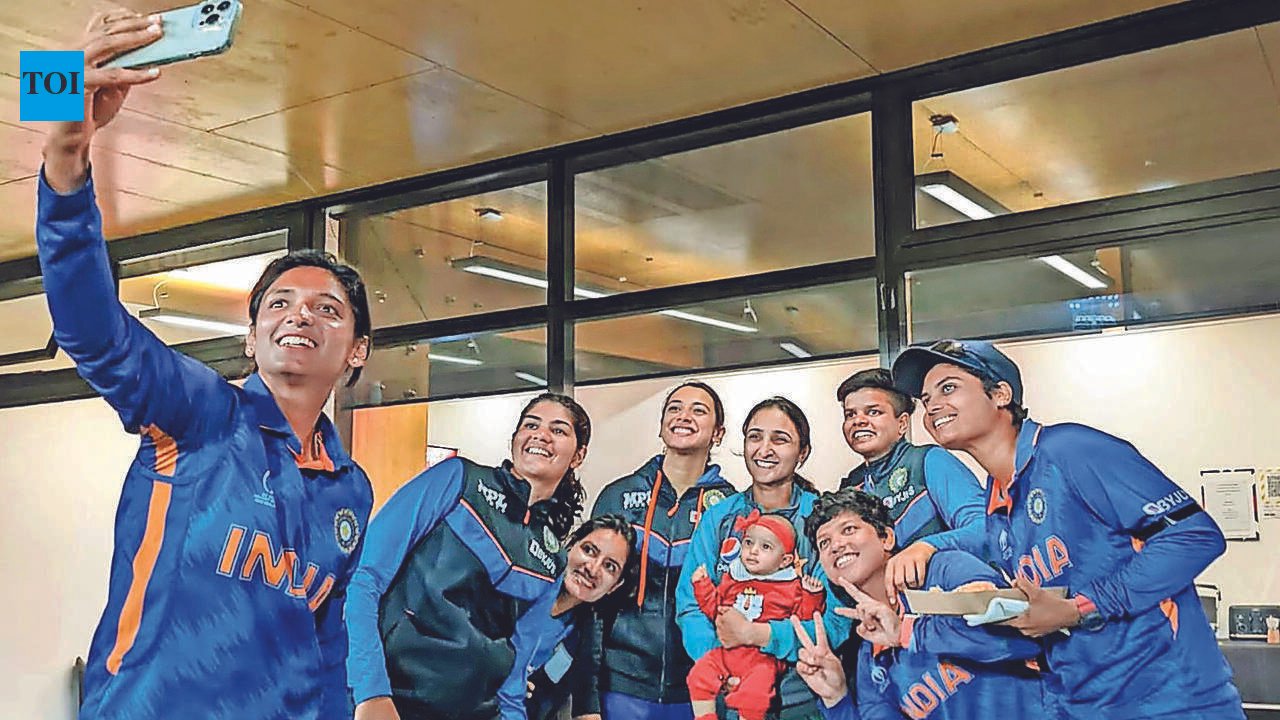
For too long, motherhood in women’s sport has been framed as a pause, a sacrifice or a difficult detour. But amid the ICC Women’s T20 World Cup in England, the biggest conversation in the sport is not about title contenders or match-winning knocks. Instead, it centres on something far more personal and significant – whether women who choose motherhood can return to the game without their careers paying the price.The ICC’s newly introduced post-pregnancy return-to-play guidelines acknowledge a reality that generations of athletes have lived through — becoming a mother should not mark the end, or even an interruption, of a sporting dream.The move reflects a broader societal shift. Across professions, women are increasingly rejecting the outdated notion that they must choose between ambition and family. However, sport has often been slower to evolve. Players such as Bismah Maroof and Afy Fletcher have returned to international cricket after childbirth, but their journeys have largely been powered by personal resilience, supportive families and understanding team environments rather than a system designed to support them.That is why these guidelines matter. Provisions such as flexible training schedules, childcare support, travel assistance and structured recovery pathways may appear practical on the surface, but they represent something much larger. They mark a shift from merely applauding extraordinary comeback stories to creating conditions where such comebacks become the norm. By making space for mothers within the structure of elite cricket, the ICC is sending a long-overdue message: Motherhood should no longer be treated as a career timeout. The game, after all, is richer when women do not have to leave either dream behind.
