



New Delhi: A Nobel-winning technology that uses light to control specific nerve cells could pave the way for more precise treatment of drug-resistant epilepsy, potentially allowing doctors to switch off the hyperactive brain cells that trigger seizures.
The technology, called optogenetics, uses light-sensitive proteins to activate or silence selected neurons. Explaining its significance, Dr Manjari Tripathi, head of neurology at AIIMS, said the approach was particularly promising for refractory epilepsy, where seizures continue despite medicines.
“Optogenetics allows us to use light as a tool to control hyperactive neurons very precisely. In epilepsy, it can potentially be used to turn off hyperexcitable neurons which are the generators of seizures,” she said.
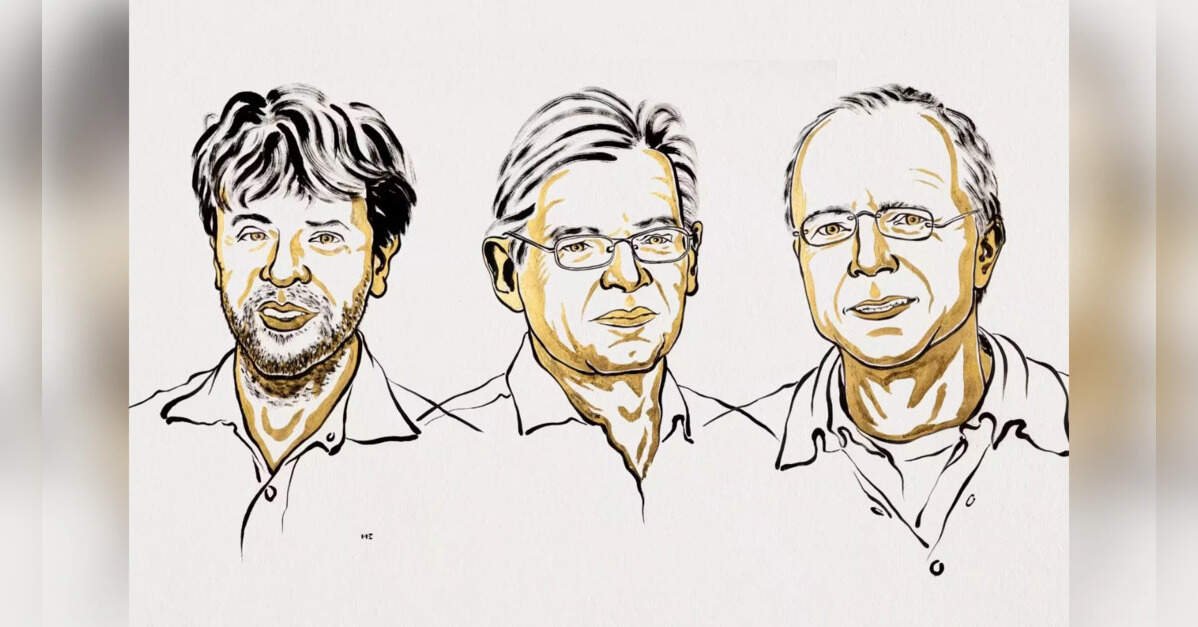
The 2026 Nobel Prize in Physiology or Medicine was awarded on Monday to Peter Hegemann, Georg Nagel and Karl Deisseroth for discoveries concerning light-gated ion channels and optogenetics.
Dr Nitin Kumar Sethi, chairman, PSRI Institute of Neurosciences, said optogenetics combines optics and genetics to activate or silence specific neurons with millisecond precision using light-sensitive proteins called opsins. “Genes can be activated or inactivated precisely in target neurons via this technique. Optogenetics thus allows cell-type-specific and real-time control,” he said.
Beyond epilepsy, the technology could help map neural circuits involved in neurological and psychiatric disorders and enable more targeted neuromodulation, Sethi said. In epilepsy, on-demand inhibition of specific neural circuits could potentially help suppress seizures, while researchers are also exploring applications in disorders such as depression, anxiety, Parkinson’s disease and addiction.
The approach has already moved into human testing in another area. Sethi said delivery of opsin genes to retinal ganglion cells has been tested in clinical trials to partially restore light sensitivity in patients with degenerative eye diseases such as retinitis pigmentosa.
Tripathi said optogenetics could also help scientists understand the pathways taken by neurons and map brain circuits. “The beauty is the simplicity, precision and accuracy. We can visualise cells and potentially turn them off and turn them on,” she said.
However, widespread clinical use in neurological disorders is still some distance away. Much of the work remains at the laboratory and animal-study stage, and translating it into routine human treatment would require safe delivery of light-sensitive proteins to the right neurons and a way to deliver light to those cells inside the brain.
Tripathi said the approach was already being explored for refractory epilepsy at centres including the University of California, San Francisco and the University of California, Los Angeles, but it would take time before it becomes available on a large clinical scale.
The breakthrough has its origins in studies of light-sensitive proteins in algae and has transformed neuroscience by allowing scientists not just to observe brain activity, but to manipulate specific neural circuits and study their role in behaviour, memory and emotions.
