


DR MOMIN DARVESH
In every generation, there comes a moment when society is forced to ask what kind of future it wants to build. For ours, that question is increasingly tied to two powerful forces: quality education and artificial intelligence. One is the foundation of human progress; the other is the most disruptive technology of our time. Together, they can either widen opportunity or deepen inequality. The outcome will depend not on technology alone, but on the choices we make today.
Education has always been more than the transfer of information. It is the process through which individuals learn to think, question, create, and participate in society. A quality education gives a child confidence, discipline, and the ability to adapt to change. It shapes the moral and intellectual character of a nation. Yet across much of our region, and indeed in many parts of the world, education still struggles with familiar problems: weak learning outcomes, rote methods, outdated curricula, poor infrastructure, and a widening gap between what is taught and what the world demands.
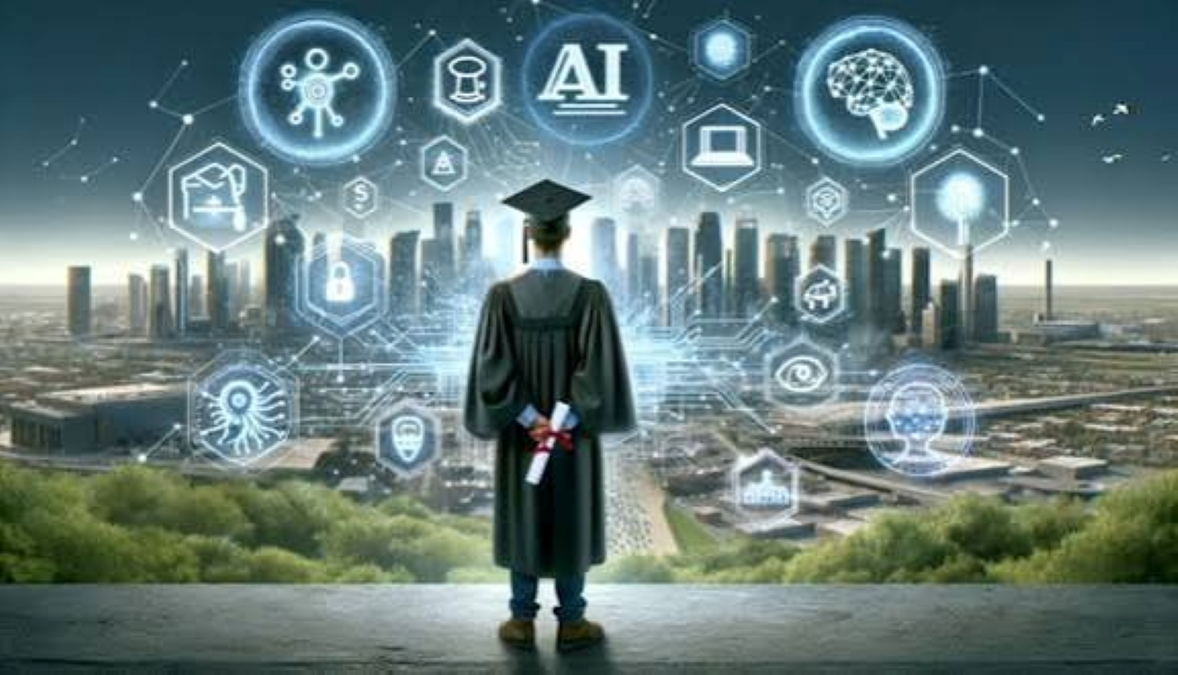
This is where artificial intelligence enters the discussion. AI is no longer a distant concept reserved for laboratories or tech companies. It is already influencing how we write, search, learn, work, and communicate. In education, it can be a powerful tool. It can help teachers personalize lessons, identify learning gaps, support students who struggle, and reduce the burden of repetitive administrative work. It can make learning more interactive and accessible, especially for students in remote or underserved areas. In a country where the quality of schooling varies sharply from one institution to another, AI could become a bridge to more equal opportunities.
But technology is not a miracle cure. AI cannot fix an education system that is broken at its core. A classroom without trained teachers, reliable electricity, internet access, basic facilities, or a serious commitment to learning will not suddenly become excellent because a machine has been introduced. In fact, if used carelessly, AI can deepen the very problems it promises to solve. Students may begin to depend too much on automated tools, lose the habit of original thinking, or use AI to bypass the hard work that genuine learning requires. Schools may celebrate digital tools while neglecting the human relationships that make education meaningful.
That is why the real debate should not be whether AI should enter education, but how it should be used. The first priority must remain quality. AI should support teachers, not replace them. It should assist learning, not weaken it. It should expand curiosity, not encourage shortcuts. If education is to prepare children for an uncertain future, then it must teach them how to think critically about AI itself — its benefits, its limits, its ethics, and its social consequences.
A quality education system in the age of AI must rest on several pillars. First, teachers need training. No technology can succeed if the people using it are not equipped to understand it. Teachers should be helped to use AI tools confidently and responsibly, so they can integrate them into lessons in a meaningful way. Second, the curriculum must evolve. Students need more than memorised facts; they need digital literacy, problem-solving skills, ethical awareness, creativity, and the ability to distinguish truth from misinformation. Third, access must be fair. AI tools should not become a privilege of elite schools and wealthy families alone. If that happens, the digital divide will become even more dangerous than the educational divide we already know.
There is also a larger social question. What kind of human beings do we want education to produce? If the goal is only to create workers who can operate machines, then we will have misunderstood the purpose of education. But if the goal is to produce responsible citizens, thoughtful leaders, skilled professionals, and compassionate human beings, then AI can be used in service of that vision. The true value of education lies not merely in efficiency, but in wisdom. And wisdom is something no machine can provide on its own.
We should also be cautious of the fashionable idea that every problem must be solved through automation. In education, as in life, there are no shortcuts to excellence. Reading widely, writing clearly, discussing ideas, questioning assumptions, and learning from failure remain essential. AI may make these processes faster or more efficient, but it cannot make them unnecessary. If anything, the rise of AI should push us to value human judgment more deeply, not less.
For governments, educators, and institutions, the task ahead is clear. Invest in schools. Train teachers. Update curricula. Build digital infrastructure. Set ethical guidelines for AI use. Encourage innovation, but never at the expense of equity and quality. The goal should be to create an education system that is modern without being mechanical, innovative without being shallow, and technological without losing its human soul.
In the end, the relationship between quality education and artificial intelligence is not one of competition, but of responsibility. AI will shape the future in ways we are only beginning to understand. Education will determine whether that future is inclusive, intelligent, and humane. If we get education right, AI can become a force for liberation. If we get it wrong, even the smartest machines will not save us.
That is the real challenge before us: not just to adopt AI, but to ensure that it serves a well-educated society capable of using it wisely. The future will belong not to those who merely possess technology, but to those who can pair it with knowledge, character, and vision.
(The author is a lecturer in HED and a columnist)
