



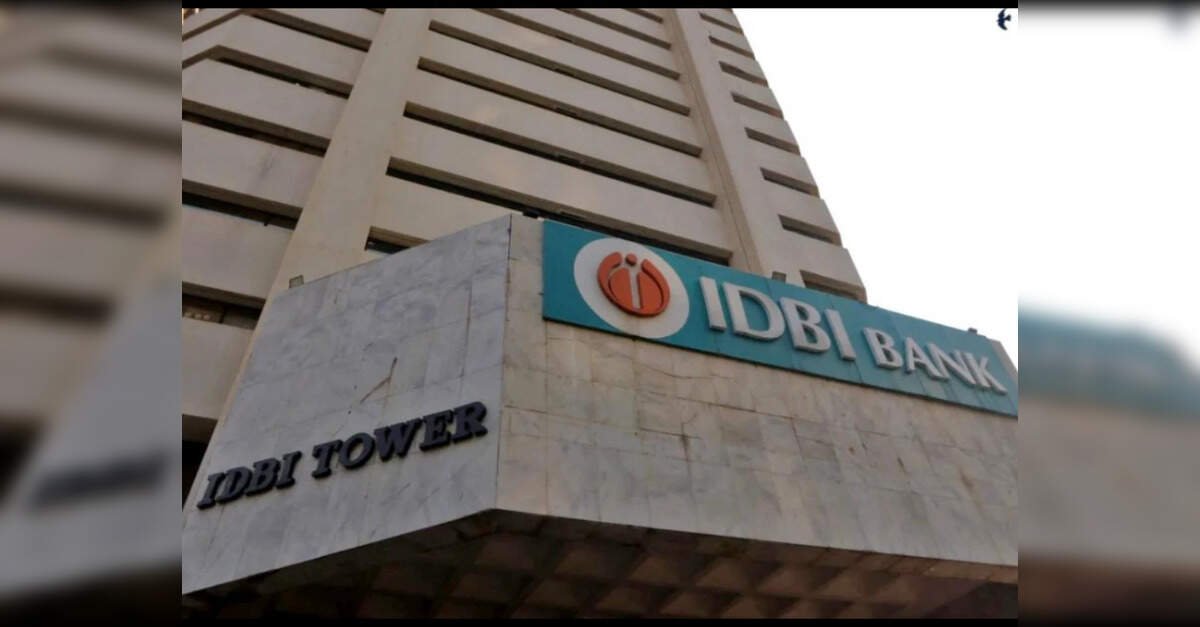
The Finance Ministry on Saturday issued a clarification after comments and views floated on media reports questioning the legislative developments in 2003 concerning the government’s shareholding in IDBI Bank.
The development comes days after the Cabinet Committee on Economic Affairs (CCEA) approved strategic restructuring of the IDBI Bank Ltd., and decided to sell 60.72% of the equity stake to Fairfax Financial Holdings‘ subsidiary for Rs Rs 52,878.08 crore.
The ministry reiterted that the Centre moved an amendment seeking to restrict the dilution of the government’s stake in the bank which was ultimately rejected and did not form part of the enacted legislation during the disucssions of Union Budget, 2003 and the parliamentary debate on the IDBI (Repeal) Act, 2003.
It further clarified that the matter was examimed by the Delhi High Court in All India IDBI Officers’ Association v. Union of India & Others, decided on 17 December 2018.
During Budget 2021-22 presentation, Finance Minister Nirmala Sitharaman, said, “In spite of COVID-19, we have kept working towards strategic disinvestment. A number of transactions namely BPCL, Air India, Shipping Corporation of India, Container Corporation of India, IDBI Bank, BEML, Pawan Hans, Neelachal Ispat Nigam limited among others would be completed in 2021-22.”
“Other than IDBI Bank, we propose to take up the privatization of two Public Sector Banks and one General Insurance company in the year 2021-22. This would require legislative amendments and I propose to introduce the amendments in this Session itself,” she had said.
In the clarification issued Saturday, the ministry said the legislative history of the IDBI (Repeal) Act, 2003, the judicial pronouncement of the Delhi High Court and successive Union Budget Speeches “collectively demonstrate the evolution of the Government’s policy towards the strategic disinvestment of IDBI Bank.”
In its December 17, 2018, judgment, the Delhi High Court dismissed a writ petition filed by the All India IDBI Officers’ Association, holding that statements made in Parliament during the debate on the IDBI (Repeal) Act, 2003, would not preclude the Centre from diluting its stake in the bank.
In paragraph 41 of the judgment, the court observed, “The statements made before the House cannot substitute or override the statute so enacted by the Parliament.” It also held that the principle of promissory estoppel was inapplicable in this context, and that statements made during parliamentary debates could not be treated as representations to employees on the basis of which they had acted to their prejudice.
“There is no ambiguity in the language of the IDBI Repeal Act, 2003 and there is no scope to read any provision into the said enactment which proscribes the Government from reducing or divesting its stake in IDBI Ltd,” the court said in paragraph 42, as quoted by the ministry in latest clarification.
The Finance Ministry said the judgment specifically addressed the doctrine of promissory estoppel, which had been relied upon to challenge the government’s decision to dilute its shareholding. The doctrine could not be invoked to prevent the government from reducing or divesting its stake in IDBI Bank.
The ministry also cited the Union Budget speech for 2016-17, in which then finance minister Arun Jaitley had said that the process of transformation of IDBI Bank had begun and that the government would take it forward while considering the option of reducing its stake to below 50%.
The ministry said successive Union Budget speeches, along with the legislative history of the IDBI (Repeal) Act, 2003, and the Delhi High Court’s judgment, demonstrated the evolution of the government’s policy towards the strategic disinvestment of IDBI Bank.
