



India’s ODI squad for the West Indies series comes with an obvious caveat. The Asian Games have taken away several regular white-ball names, while Hardik Pandya is still working his way back to full match fitness. That means some of the combinations picked for this series may look very different once India have their entire pool available again.
Even with those circumstances, however, the squad offers a useful glimpse into India’s planning for the 2027 ODI World Cup. The selectors are not attempting a wholesale transition. Shubman Gill remains captain, Rohit Sharma and Virat Kohli are still part of the batting core, KL Rahul has been elevated to vice-captain, and Kuldeep Yadav continues to occupy a central position in the bowling attack.
Around that established spine, though, India have started testing the players who could fill the unresolved positions over the next 12 months.
Rohit Sharma remains firmly in India’s immediate plans
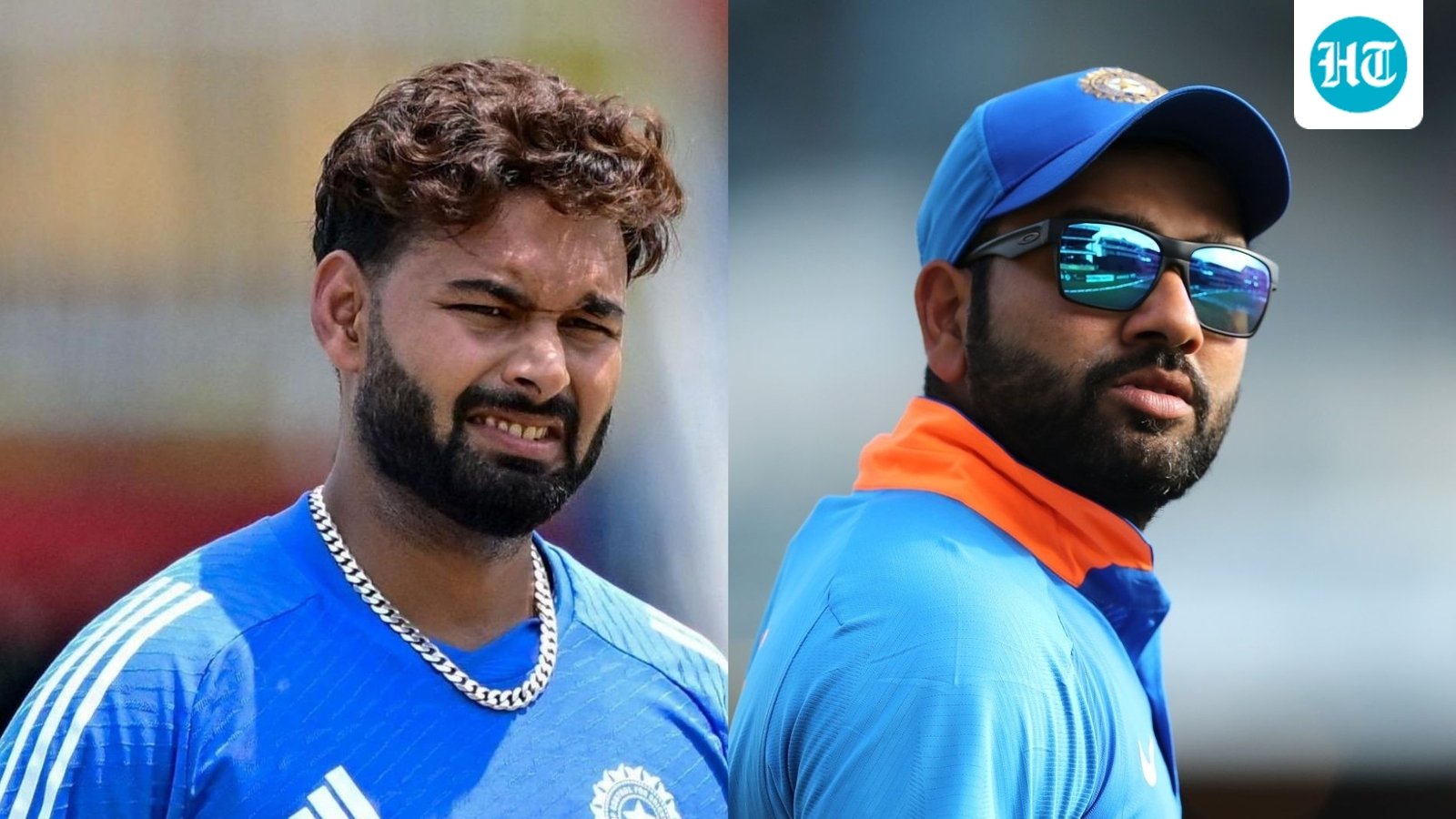
Rohit’s selection is significant because he has retained his place after weeks of discussion around his ODI future. The 39-year-old now plays international cricket only in the 50-over format, which inevitably places greater scrutiny on every squad announcement involving him.
For now, India are clearly not ready to accelerate the transition by moving beyond Rohit. His 138 against England at Lord’s in his previous ODI strengthened his position at a time when speculation around his future was gathering momentum. His presence against West Indies does not guarantee him a place at the 2027 World Cup, but it shows that the selectors still see him as part of their immediate plans.
Kohli’s position appears considerably more secure, while Gill is emerging as the clearest long-term pillar. India have continued with Gill as captain, and Rahul’s appointment as vice-captain in the absence of Shreyas Iyer reinforces the leadership hierarchy beneath him. Shreyas, importantly, is unavailable because of the Asian Games rather than because he has lost his standing in the ODI side. That distinction matters when assessing who currently sits in India’s preferred World Cup batting group.
Nitish Kumar Reddy could solve a major problem
Nitish Kumar Reddy’s selection may be one of the most important developments in the squad. The BCCI has specifically withdrawn him from the Asian Games squad so that he can play the West Indies ODIs, suggesting that the selectors want a proper look at him in the 50-over format.
The reason is straightforward. Hardik remains one of the most difficult players in Indian cricket to replace because his combination of middle-order batting and seam bowling gives the side enormous balance. His recurring fitness problems, however, have repeatedly exposed how dependent India are on him.
Nitish now gets an opportunity to show whether he can become a genuine second seam-bowling all-round option. India do not need him to replace Hardik immediately, but developing another player capable of filling a similar role would give them far greater flexibility heading towards the World Cup. That makes this series considerably more important for Nitish than an ordinary bilateral assignment.
Jurel and Naman Dhir widen the middle-order race
Dhruv Jurel getting the second wicketkeeping position ahead of Rishabh Pant is another noteworthy call. Rahul remains the senior wicketkeeper-batter in the ODI set-up, but the selectors are clearly keeping the competition behind him open rather than settling on one alternative.
Jurel now gets the chance to establish himself beyond Test cricket and prove that he can handle the tempo and middle-order demands of ODIs. Pant, meanwhile, captaining Rest of India rather than being included here is another reminder that his ODI position cannot simply be assumed.
Naman Dhir is an even more experimental selection. His ability to bat in different positions and offer off-spin makes him the kind of multi-skilled cricketer India have increasingly tried to identify in white-ball cricket. The selectors have spent years looking for batting options capable of contributing with the ball without weakening the top six, and Dhir now enters that conversation. Ruturaj Gaikwad and Yashasvi Jaiswal also remain firmly in the broader batting pool. Their inclusion does not necessarily push them ahead of established names missing this series, but it ensures India continue developing alternatives before vacancies emerge.
India are expanding their pace pool
The fast-bowling selections reveal another important part of the World Cup project. Mohammed Siraj and Prasidh Krishna provide experience, while Gurnoor Brar continues to receive opportunities, and Auqib Nabi has earned his maiden ODI call-up. That expansion is particularly relevant with the 2027 World Cup scheduled in southern Africa. India will require pace depth, bowlers capable of extracting bounce and enough variety to adapt across different conditions in South Africa, Zimbabwe and Namibia.
With Jasprit Bumrah and Arshdeep Singh unavailable because of the Asian Games, this series gives Gurnoor and Auqib a valuable opportunity to force themselves deeper into the selectors’ plans rather than simply remain fringe options.
Ravindra Jadeja’s inclusion needs to be interpreted more cautiously. Axar Patel and Washington Sundar are both unavailable, so his return may owe as much to circumstances as long-term planning. Whether Jadeja remains part of the preferred 2027 combination will become clearer when India next select from a full-strength pool.
What this squad ultimately shows is controlled experimentation rather than rebuilding. Gill is the captain around whom India are constructing the side, Rohit and Kohli remain part of the immediate plan, Rahul continues to hold an important leadership and wicketkeeping role, and Kuldeep remains central with the ball. The real work is happening around that spine. Nitish, Jurel, Naman, Gurnoor and Auqib are being given opportunities not merely to fill temporary vacancies, but to prove whether they can become part of the wider group India eventually take towards the 2027 World Cup.
