




Need extra funds for your next purchase?
Loan up to ₹5 Lakhs
Starting at 11% p.a.*
Dolly Parton, the legendary singer, songwriter, actor and philanthropist, died at age 80 on August 25. But beyond the music, movies and philanthropy, she leaves behind another kind of legacy: a masterclass in unapologetic personal style.
There are very few people who could walk into a room wearing a rhinestone-covered outfit, towering heels, an enormous blonde wig and enough sparkle to compete with the lighting and somehow make it look completely natural.
Dolly Parton could.
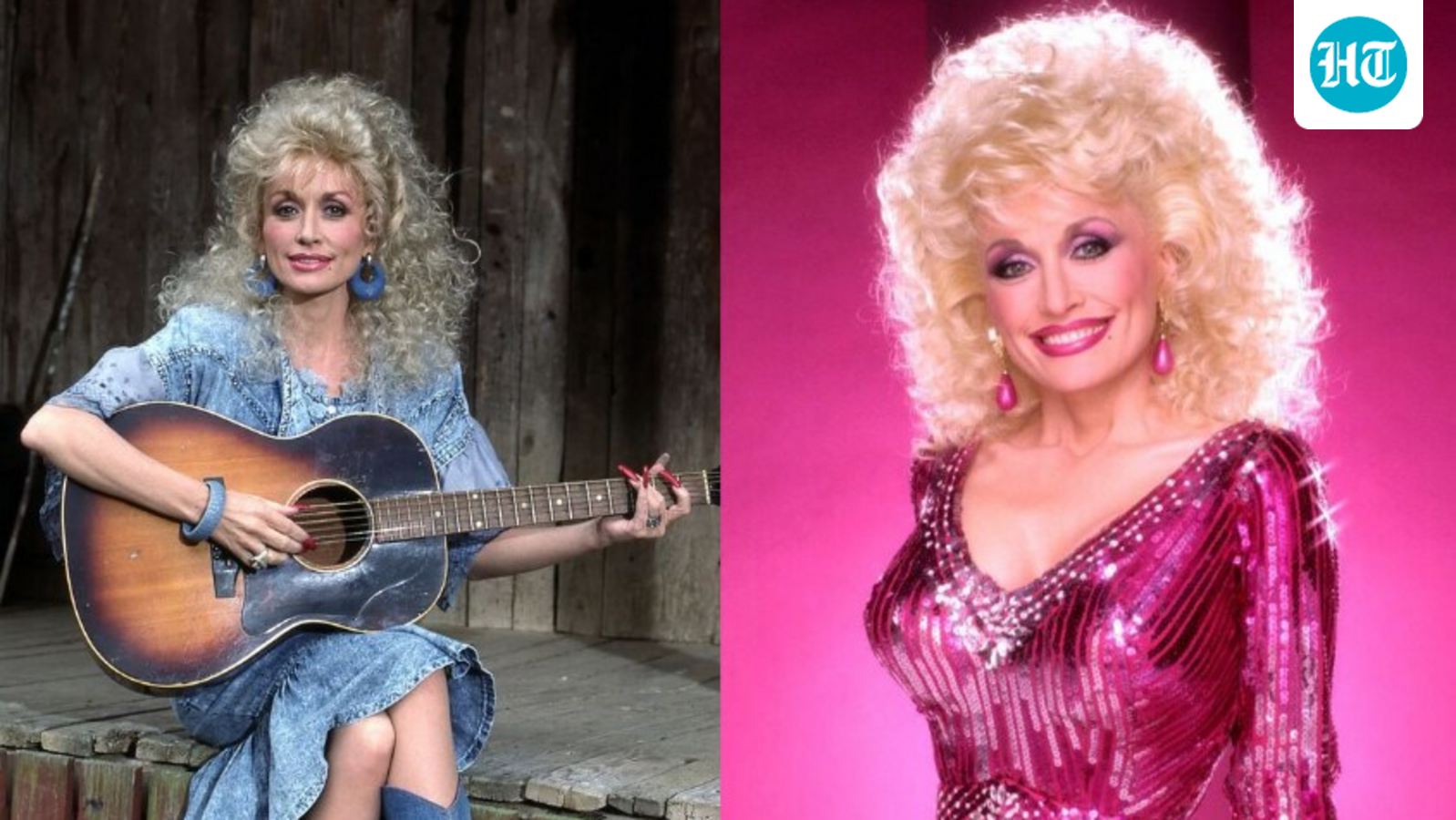
The country music legend, who died at 80, spent decades building one of the most recognisable silhouettes in popular culture: big hair, tiny waist, high heels, fitted clothes, sequins, rhinestones, fringe and absolutely no interest in dressing quietly. Her death was announced by her nephew Bryan Seaver on August 25.
But calling Dolly’s wardrobe simply “glamorous” misses what made it so powerful.
She didn’t just embrace maximalism. She made a case for women taking up as much visual space as they wanted.
Dolly Parton’s style was never about being fashionable
The irony is that Parton repeatedly resisted being described as a fashion icon.
In a 2023 Vogue interview revisited after her death, she joked that she was more of an “eyesore” because she tended to overdo things. She also made it clear that following trends was never her priority.
That may be precisely why her style endured.
While fashion cycles through minimalist, maximalist, quiet-luxury and whatever aesthetic TikTok happens to discover next, Dolly remained Dolly.
She didn’t need a trend report to tell her that rhinestones were back. She had never stopped wearing them.
Her 2023 book, Behind the Seams: My Life in Rhinestones, documented the visual language she had developed throughout her career, from her early days in Tennessee to her decades as a global superstar.
She understood that clothes could be a form of confidence
Parton grew up in poverty in rural Tennessee and developed her glamorous image long before she had the money to build it properly.
As she recalled, she was fascinated by a woman in her hometown whose peroxide-blonde hair, red nails, tight clothes and high heels represented glamour to her. That woman became an unlikely source of inspiration for the look Dolly eventually made famous.
What is fascinating is that Parton never tried to make herself smaller to fit conventional ideas of what was tasteful.
She did the opposite.
She exaggerated.
The hair got bigger. The heels got higher. The clothes became more fitted. The sparkle became more obvious.
And instead of apologising for it, she turned the whole thing into her visual signature.
The bigger the hair, the bigger the statement
Dolly’s wigs deserve their own fashion category.
She adopted wigs partly to protect her natural hair from the damage caused by constant bleaching and teasing, but she also loved the creative freedom they gave her. In her own words, she liked them “bigger” and “better”.
The wig wasn’t merely a practical beauty solution. It became part of the Dolly silhouette.
Platinum hair piled high above her head gave her a larger-than-life presence, particularly alongside her petite frame.
It was visual mathematics: if you want to be noticed, don’t be afraid to exaggerate.
She made sparkle feel sophisticated
Rhinestones can easily tip into costume. Sequins can become overwhelming. A sky-high heel can look theatrical.
Dolly understood all of that, and simply didn’t care.
Her wardrobe was filled with rhinestones, crystals, metallics, fringe and body-conscious silhouettes. Her longtime costume designer Steve Summers reportedly created hundreds of looks for her each year, helping refine an aesthetic that remained unmistakably Dolly while evolving over time.
This is where her maximalism became surprisingly sophisticated.
There was intention behind the excess.
The sparkle caught the stage lights. The heels created height. The fitted silhouettes emphasised the proportions she wanted to highlight. The hair created an instantly recognisable frame around her face.
It wasn’t random.
It was branding before “personal brand” became a LinkedIn phrase.
Dolly’s greatest fashion rule: don’t dress for other people
Perhaps the most useful part of Parton’s fashion philosophy was that she never seemed particularly interested in whether someone else approved.
She has spoken about being drawn to colour and fitted clothes and deliberately choosing things that looked different from everyone else’s. Her advice was essentially to be comfortable in your own clothes and yourself rather than chasing trends.
That is a particularly relevant lesson now, when fashion can sometimes feel like an endless cycle of aesthetic rules.
Quiet luxury says don’t show off.
Minimalism says edit.
Clean girl beauty says keep it effortless.
Dolly’s wardrobe says: What if I actually like the glitter?
Wear it.
She didn’t hide her curves, she styled around them
Parton’s approach to dressing was also refreshingly practical.
She openly acknowledged her petite, curvy proportions and chose silhouettes that worked for her rather than trying to imitate someone else’s body or style. She particularly liked fitted clothes and heels, which she felt made her look and feel powerful.
That distinction matters.
Dressing boldly isn’t necessarily about wearing the biggest or loudest thing available. It is about understanding what makes you feel good and then leaning into it.
For Dolly, that meant waist-defining silhouettes, plunging necklines, high heels, sparkle and plenty of glamour.
For someone else, it might mean an oversized suit, a bright saree, red lipstick or a pair of dramatic earrings.
The principle remains the same.
She made “too much” into the whole point
Dolly Parton’s style was often described as flamboyant, flashy, camp or even tacky. She was perfectly capable of laughing at herself, too.
But the joke was part of the power.
She knew exactly what people saw when they looked at her and she controlled the image rather than allowing other people to define it.
That is why her maximalism never felt like an accident.
She wasn’t trying to look expensive. She was trying to look like Dolly.
And that is a much harder thing to achieve.
The fashion world may change, but Dolly’s lesson won’t
There is a reason her style remains so culturally recognisable decades after she first became famous.
Dolly didn’t dress to disappear into the background.
She dressed to be seen.
She used fashion to create a silhouette, a character and eventually an entire visual universe around herself. Her glamour was exaggerated, feminine and deliberately artificial, but it was also deeply personal. Recent tributes have similarly highlighted how her rhinestones, wigs and high heels became symbols of individuality rather than mere decoration.
