


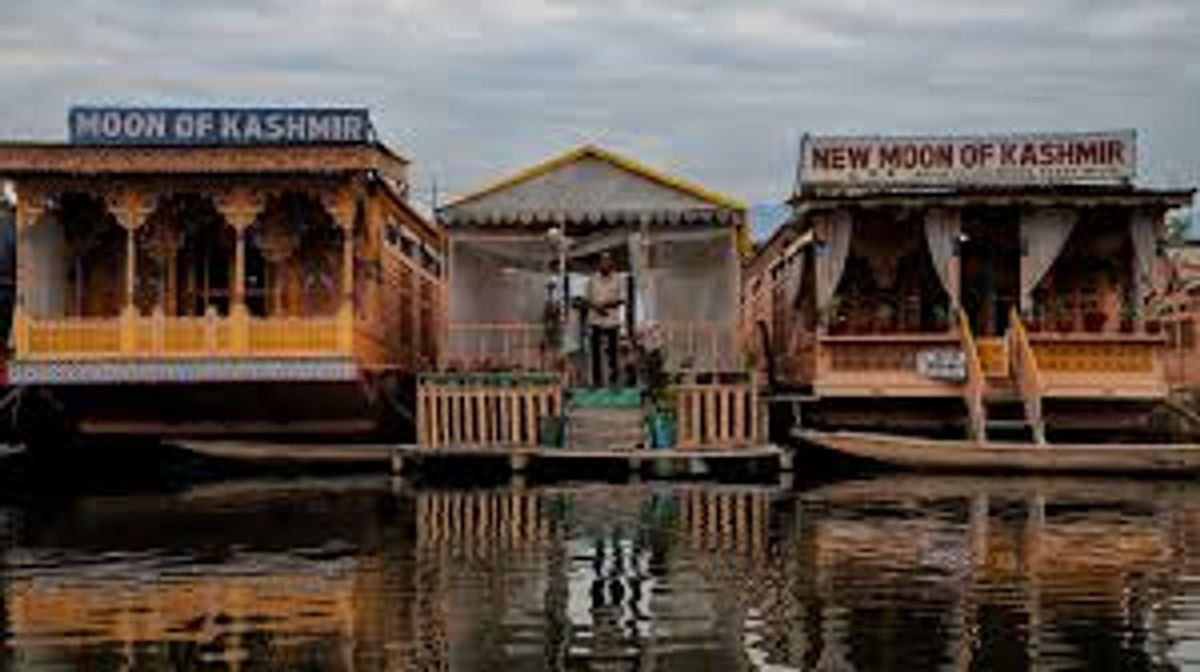
Kashmir’s houseboats are more than timber and carved wood floating on the Jhelum and Dal Lake; they are living memory, a signature of the Valley’s cultural grace, and one of the finest expressions of its hospitality economy. Yet the report on the century-old houseboat industry facing extinction is a warning that should trouble every Kashmiri. What is disappearing is not only a livelihood, but a heritage that once helped define Kashmir in the global imagination. For decades, houseboats were the first encounter many visitors had with Kashmir. They offered warmth, intimacy and a distinct aesthetic that hotels could never replicate. Their ornate interiors, handcrafted panels, and age-old craftsmanship reflected the artistic soul of the Valley. To lose this industry would be to lose an archive of local skill, family tradition and cultural continuity. And once such traditions vanish, they rarely return in their original form. The crisis, however, did not emerge overnight. It is the result of years of slow erosion. Traditional craftsmen have aged, but too few young people have been willing to step into their place. This is hardly surprising. A craft that demands patience, skill and long-term commitment will struggle when there is little financial security, weak policy support and shrinking social prestige attached to it. When a young generation sees uncertainty where its elders saw pride, the chain of transmission breaks. There is also an unmistakable policy failure here. Heritage industries cannot be left to survive on sentiment alone. If the government is serious about preserving Kashmir’s cultural economy, then houseboat makers and owners need structured support: restoration grants, training programmes, soft loans, tourism incentives and simplified approval systems. The industry also needs a serious conservation plan that protects houseboats from decay, modern pressures and regulatory neglect. Heritage without support becomes a slogan; heritage with support becomes survival. At the same time, the industry itself must adapt without losing its soul. Houseboat owners and craftsmen need to think beyond nostalgia. Cleaner surroundings, better maintenance, improved services and a stronger tourist-facing narrative can make houseboats relevant to a new generation of travellers. Preservation does not mean freezing a tradition in time; it means allowing it to live, evolve and remain economically viable. Kashmir has often spoken of protecting its cultural identity. This is one of those moments when the rhetoric must be matched by action. If the houseboat industry collapses, it will not simply be a business failure. It will be a civilizational loss, visible in the fading of craftsmanship, the weakening of family legacies and the thinning of Kashmir’s unique cultural character. The Valley cannot afford to let one of its most recognisable symbols drift into memory. The houseboats must not be mourned only after they are gone. They must be protected while they still stand.
