


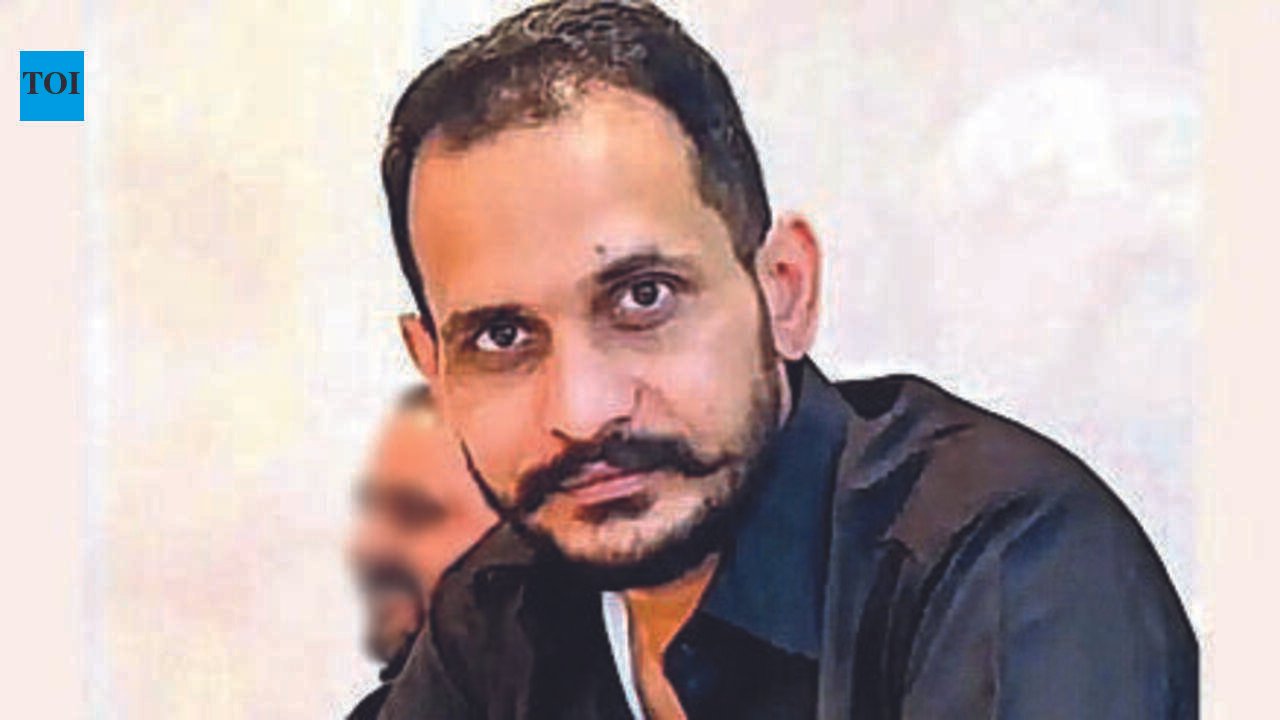
Gurgaon: Haryana Police intensified the crackdown on Pakistan-based gangster-turned-terror operative Shehzad Bhatti’s network, registering seven cases under Unlawful Activities (Prevention) Act (UAPA) against Bhatti and his local associates across Ambala, Karnal, Hisar and Kurukshetra over the past year.Six of Bhatti’s alleged local operatives are currently lodged in Haryana jails in cases registered across the state, including the case relating to the IED blast at Ambala’s Baldev Nagar police station. Police recovered seven grenades, two IEDs and around 2kg of RDX from the network during 2025-26.More than 150 people suspected of being in touch with Bhatti through social media were rounded up, of whom 52 were detained for further investigation ahead of Independence Day on Aug 12, officials said. While most were released after questioning, police also alerted the families and village elders of those with suspected links to or online engagement with Bhatti.National Investigation Agency (NIA) had in July filed a chargesheet against eight accused, including Bhatti, in connection with the Ambala blast on Jan 11 this year. The NIA investigation alleged that Bhatti was running operational modules in India and directing local operatives to arrange logistics, explosives and other material for attacks on police establishments.The crackdown comes amid a wider probe into Bhatti’s efforts to establish operational modules in India by recruiting vulnerable youths through social media and encrypted communication platforms. Police suspect the network was used to recruit local couriers and operatives to transport weapons and explosives, while keeping them isolated from the Pakistan-based handlers.“His strongest base seemingly is in Punjab where he is trying to woo radicals who are brainwashed and openly express dissent against the Indian govt online. He then supplies or smuggles cross-border weapons to other states including Haryana and Rajasthan which are then used for illegal activities here,” a police officer said. Sources said central agencies also shared names of a few suspects with the Haryana Special Task Force (STF).Investigators believe Bhatti and his associates allegedly target youths drawn to gangster culture, seeking quick money or social recognition, as well as economically vulnerable people. Recruits were allegedly offered small payments of Rs 2,000-5,000 to establish trust before being assigned tasks such as collecting or transporting weapons. Many brought into the network, investigators suspect, were not told who would eventually receive the weapons or how they would be used.Police officials said the use of such recruits makes it difficult to immediately establish the link between the courier and the Pakistan-based handler. Handlers operating from abroad are able to maintain greater distance from the movement of smuggled weapons and explosives inside India, with local recruits promised money or incentives such as foreign visas and instructed to collect or deliver consignments at designated locations without being told of the larger conspiracy.Officials are examining whether people who interacted with such accounts remained limited to online engagement or subsequently became involved in logistics, weapons movement or other criminal activity.
