


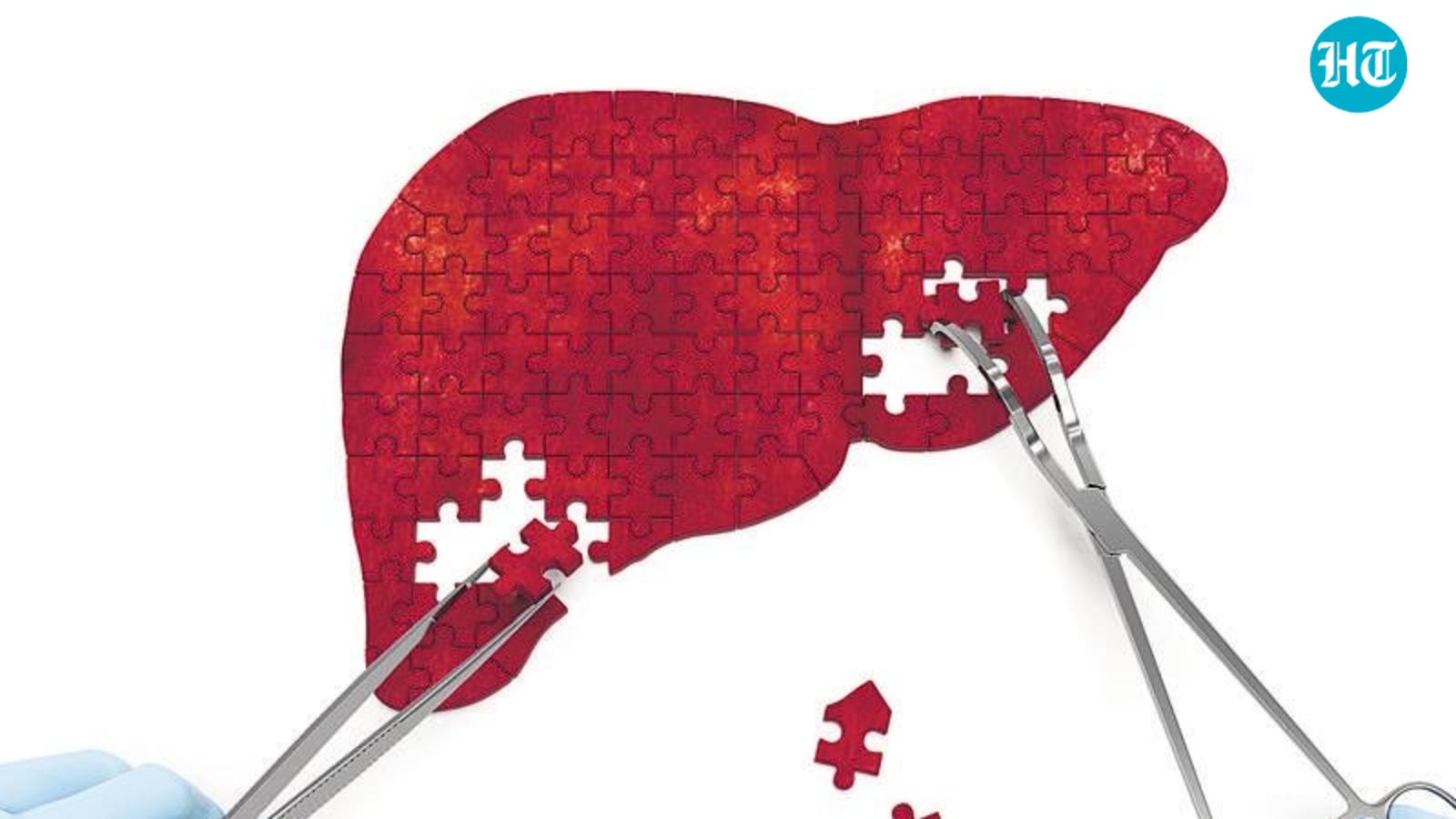
The liver is the second-largest organ in the human body—and one of the hardest working. It functions like a non-stop chemical factory, filtering toxins, processing nutrients, and producing essential proteins that keep the body running. Yet, it has a dangerous limitation: The liver has no pain receptors. It cannot signal distress while it is being damaged. It suffers in silence—and that is precisely why blood tests must speak for it.
Hepatitis is simply an inflammation of the liver, and it is primarily caused by the viruses hepatitis A, B, C, D and E. They attack through two main routes. Hepatitis A and E are enteric, meaning they spread through contaminated food, water, and undercooked meat. They usually cause acute, short-term illness. On the other hand, hepatitis B, C, and D are blood invaders. They spread through infected blood and body fluids—via mother-to-child transmission during birth, sexual contact, or exposure to unsterile needles.
Once inside the body, these viruses damage the liver in two ways: by directly multiplying within liver cells or by triggering an immune response that unintentionally attacks healthy liver tissue.
While acute infections like A and E usually clear up on their own, hepatitis B and C are far more dangerous – they operate silently and over the long-term. Because liver damage is not felt, these viruses can steadily impair liver function for years, even decades, without a single visible symptom. This constant, silent destruction leads to progressive scarring, known as fibrosis and cirrhosis. Because Hepatitis B and C have oncogenic (cancer-causing) properties, this silent progression frequently ends in chronic liver failure or liver cancer.
Many people assume they are safe because vaccines exist. While we have highly effective vaccines for hepatitis B, there is a massive gap in coverage. The vaccine is routinely taken by health care professionals and has recently been added to childhood immunisation schedules, but the vast majority of the adult and geriatric population remains entirely unvaccinated. More importantly, there is currently no vaccine at all for hepatitis C. Vaccination is a shield for some, but it is not a universal safety net.
This is why we need to change the way we approach diagnostic screening. We have to wipe out the old mindset of only running blood tests when a person falls visibly ill.
When a hepatitis virus attacks, the damage shows up in your blood long before you look or feel sick. Routine screening relies on two straightforward tools. First, liver function tests (LFTs) monitor liver health by measuring specific enzymes, such as ALT and AST, that leak into the blood when liver cells are damaged. They also track bilirubin levels, a waste product that a struggling liver fails to clear. Second, simple viral screening directly tests the blood for viral antigens and antibodies.
Modern antiviral medications are incredibly effective. If caught early through screening, today’s medicines can easily manage hepatitis B and completely cure hepatitis C. However, once the virus has already caused chronic liver failure or cancer, treating the damage becomes an incredibly difficult, uphill battle.
Routine screening can prevent the most severe outcomes of hepatitis.
You don’t have to wait for symptoms to take action—because by the time symptoms appear, the damage may already be advanced. Make liver function tests and hepatitis screening a regular part of your annual health checkup. Because when the liver stays silent,
a simple blood test can speak—and save your life.
(The views expressed are personal)
This article is authored by Dr Mukilarasi KR, chief of labs and consultant pathologist, RRL Chennai, Lupin Diagnostics.
