


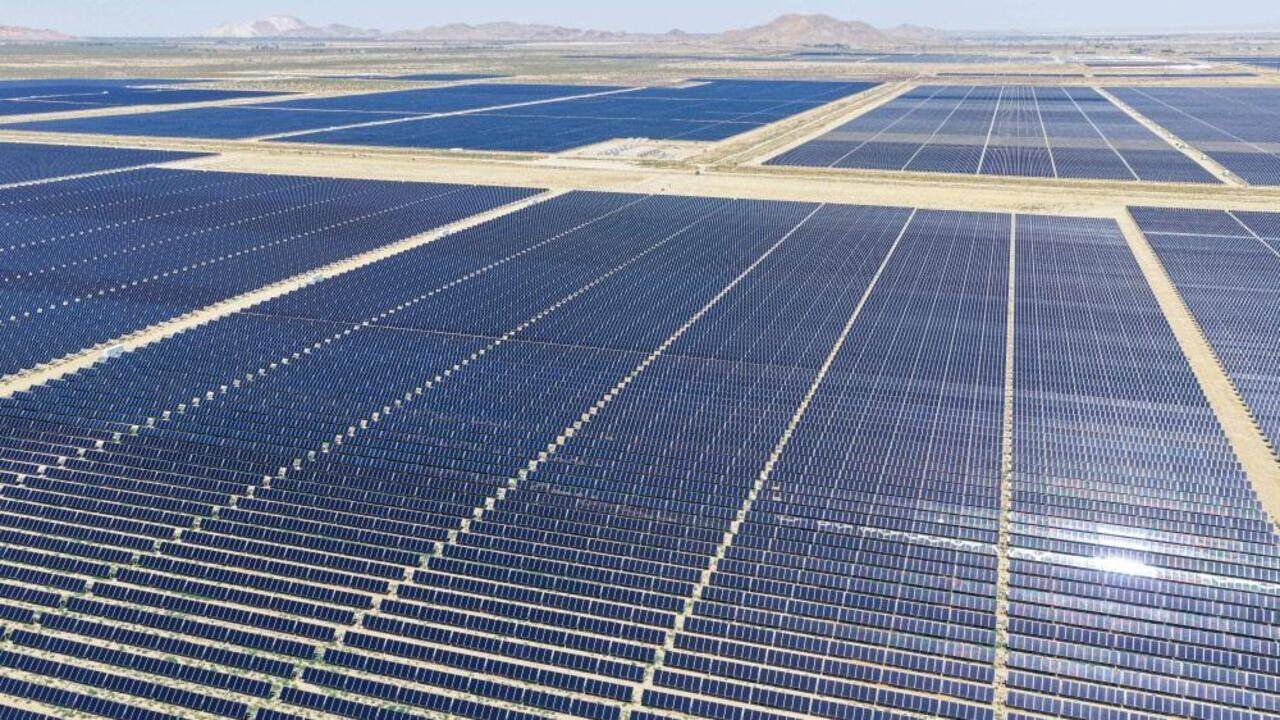
T’puram: Kerala may soon start managing peak-hour energy crisis in a cost-effective manner, with the state electricity board moving closer to procuring 200MW solar power together with energy storage system (ESS) for a period of 25 years. The cost discovered by KSEB for the power is Rs 2.93 per kWh.KSEB plans to meet renewable purchase obligations (RPO) and energy storage obligation (ESO) by signing the agreement for solar power. The board has approached the state electricity regulatory commission, seeking the go-ahead.“Based on the outcome of the bidding process, Solar Energy Corporation of India (SECI) offered KSEB an allocation of 200 MW solar power coupled with 100 MW/400 MWh energy storage capacity. The allocation corresponds to power to be received from projects developed by Welspun Energy Pvt Ltd, with the tariff discovered through competitive bidding being Rs 2.86 per kWh. In addition to that, SECI is entitled to a trading margin of 7 paise per kWh, resulting in a total applicable tariff of Rs 2.93 per kWh payable by KSEB under the power sale agreement,” the board said in its petition.KSEB said that securing firm renewable energy capacity through long-term arrangements would be beneficial for ensuring energy security, maintaining supply reliability and complying with regulatory obligations.The proposed power purchase agreement features a robust penalty mechanism. If the developer fails to supply the committed energy, it is liable to pay a penalty equal to 1.5 times the tariff. “Furthermore, the 4-hour ESS ensures that KSEB can utilise the stored solar energy during the evening peak (6pm to 10pm or 24 hours), directly addressing the state’s peak-deficit issues.Kerala ’s power demand profile is characterised by a pronounced evening peak driven by residential consumption, commercial loads and widespread use of air conditioning and electrical appliances.In recent years, the state has witnessed a steady increase in peak demand levels, and the gap between peak demand and available generation has necessitated procurement of expensive power from external sources during peak hours. The resource adequacy planning guidelines of Union ministry of power mandate that power distribution companies should cover at least 75% of their peak demand by long-term contracts.
