


Read more: Debate on real TMC settled; Mamata, Abhishek represent fake TMC: BJP
The dissidents’ push has triggered a wider debate over the anti-defection law. Trinamool leaders maintain that the claim has no legal basis, arguing that the Constitution’s 91st Amendment abolished provisions for legislative splits.
Under the current law, protection from disqualification is available only in the event of a merger involving at least two-thirds of legislators with another political party.
Beyond the immediate battle in Parliament, the unfolding crisis could have far-reaching implications if the legislative rebellion eventually translates into an organisational split. Such a contest would not be limited to control over the party name and election symbol but could also extend to ownership of party offices, organisational structures, and financial assets. The Trinamool Congress is among the country’s financially stronger regional parties and reported substantial cash reserves and assets in its latest disclosures.
Also Read: TMC Lok Sabha mass exodus: 19 MPs including Saayoni Ghosh and Satabdi Roy sign dissent note to Speaker
The turmoil has intensified this week with three Rajya Sabha MPs – Sukhendu Sekhar Ray, Sushmita Dev and Prakash Chik Baraik – quitting the party. Senior leader Kalyan Banerjee has also openly attacked party national general secretary Abhishek Banerjee, exposing deepening internal divisions.
While dissidents claim growing support among the MPs, several senior leaders, including Sougata Roy, Shatrughan Sinha, Pratima Mondal and Babul Supriyo, have publicly reaffirmed their loyalty to Mamata Banerjee.
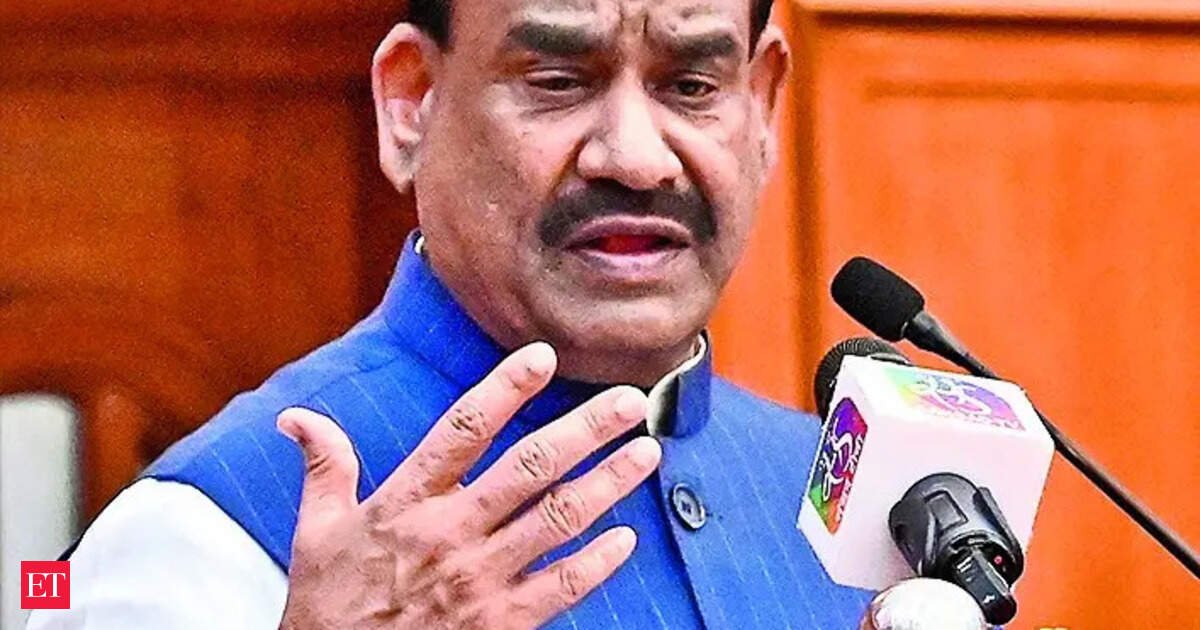
As both camps prepare for the next round of confrontation, the Lok Sabha Speaker’s response to the dissidents’ representation could become the first institutional test of the rebellion that is threatening to reshape the future of West Bengal’s ruling party.
