


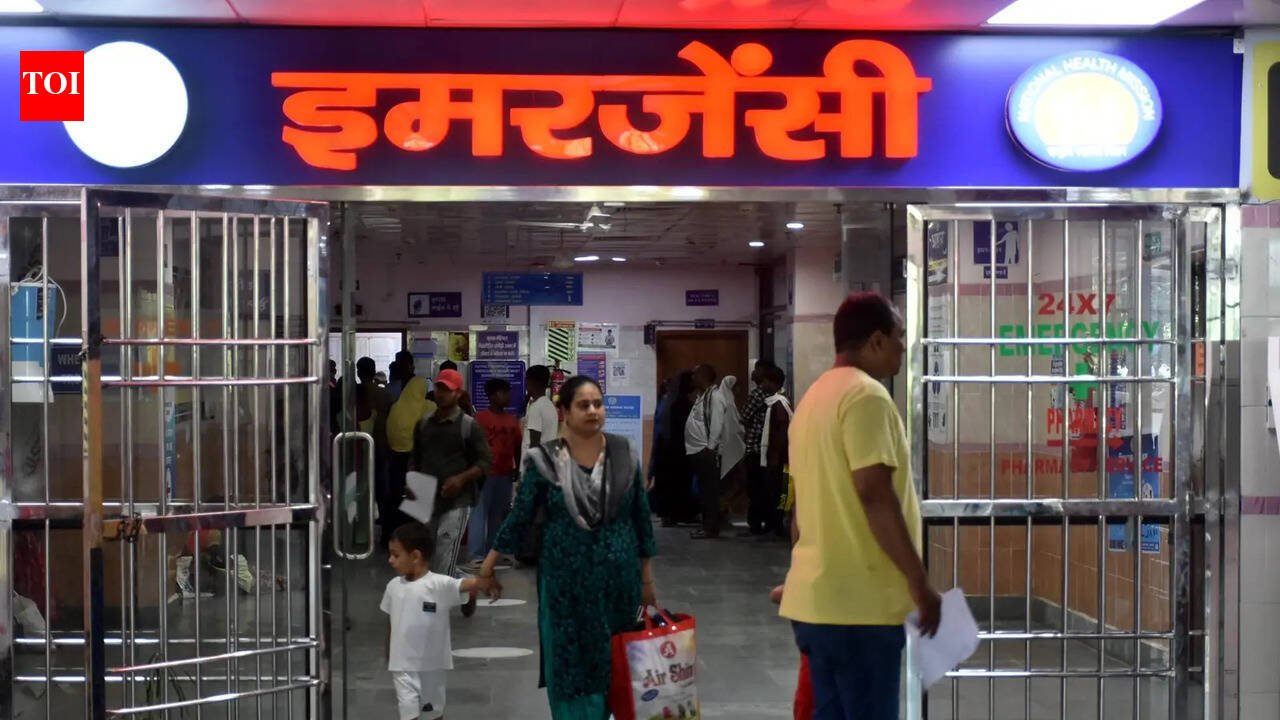
Ranchi: High-risk pregnancies among expectant women, particularly in rural areas, and a growing preference among urban couples to schedule childbirth have pushed up caesarean section deliveries in the state, according to the National Family Health Survey (NFHS-6).NFHS-6 data for 2023-24 shows 15.7% of births were through C-section, up from 12.8% recorded in NFHS-5 during 2019-21. The rural-urban gap remains wide: 32.9% of births in urban areas and 12.7% in rural areas were through C-section. Urban areas recorded 25.8% C-section births in NFHS-5.Health experts linked the rise to improved detection of high-risk cases due to a strengthened healthcare system. “Although the state lacks expert gynaecologists, surgeons and paediatricians, Jharkhand recorded a significant increase in recruitment of experts in healthcare centres in the last few years. This has resulted in timely detection of high-risk pregnancy cases in health facilities across the state,” said Dr Pushpa, nodal officer of maternal health, National Health Mission, Jharkhand chapter.After detection, she said, women are mobilised for institutional deliveries. “This led to an increase in C-section deliveries,” she said, adding that govt initiatives providing free C-section deliveries in govt facilities have also contributed to the rise.In urban areas, other factors are at play. “As women in urban areas are career-oriented and prefer to have only one or two children… they do not want to take the risk of normal deliveries,” she said, citing planned timing of births as another reason.NFHS-6 also flagged a jump in private facilities, where surgical deliveries rose from 46.7% to 54.1%. “In private hospitals, couples are advised to go for C-section. Also, C-section delivery helps private hospitals to earn more,” Dr Pushpa added.
