


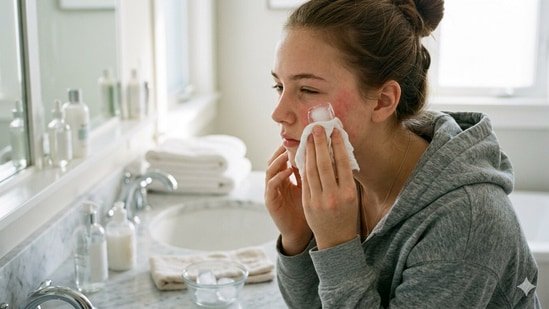
Summer‘s brutal heat can leave your skin more vulnerable, dry and tanned, with the skin barrier heavily compromised. To protect their skin, many people turn to viral summer skincare trends they spot on social media, from ice facials and DIY hacks to layering multiple active ingredients. But blindly following them may undo all your efforts.
Let’s understand each of these viral summer skincare hacks one by one, which ones may actually help when done correctly, and which ones dermatologist want you to stop following before they can damage your skin barrier.
Dermatologist Dr Noopur Jain, founder and consultant at Skinzest walked HT Lifestyle through the various viral skincare hacks, explaining that while some may be harmless when done correctly, others may not be safe or suitable for every skin type.
In fact, recklessly following viral skincare trends may end up damaging your skin instead of protecting it. Speaking about this, Dr Jain noted, “As a dermatologist, I observed a lot of patients who have skin problems like irritation, pigmentation and sensitivity because they followed trends without thinking about what could happen in the long run.”
Just because the hacks look simple online, it may appear easy and harmless, but jumping with trend without understanding skin type, frequency, product strength or existing concerns like acne, rosacea or sensitivity, they can disturb the skin barrier.
The dermatologist pointed out three issues she observed:
1. Ice facials
To get relief from the brutal summer heat, many people turn to ice facials. While ice may temporarily help with puffiness, rubbing ice cubes directly on the face has become a common skincare hack. But is it actually helpful, or can it harm your skin?
Answering this, Dr Jain elaborated why it is not as simple: “One trend I see a lot is people using ice facials too much. Ice can help reduce puffiness or calm down inflammation for a little while, but rubbing ice on your skin for a long time can hurt your skin, make it red and even make conditions like rosacea worse. You should never put your skin in temperatures without protecting it.”
DIY skincare that breaks skin barrier
DIY skincare is all the rage, where people whip up ingredients found at home, such as lemon, baking soda, toothpaste or essential oils. However, the dermatologist expressed concern over the use of these ingredients to treat acne or pigmentation, especially when they are harsh, undiluted or not meant for direct application on the skin. These can disrupt the skin’s natural balance, causing burns, irritation and sensitivity, particularly in hot and humid weather when the skin barrier is already weakened.
3. Using many active ingredients is not good
Another viral habit that many influencers on social media engage in is using multiple skincare products and piling them on top of one another. Dr Jain advised caution, noting, “Using a lot of active ingredients just because they are popular can also be very bad for your skin. Using acids, retinol, vitamin C and exfoliants all at once without a doctor’s guidance can lead to breakouts, dryness and inflammation instead of healthy skin.” Instead of giving in to every new skincare product trend, she urged people to consult a doctor and seek professional advice on what skin actually needs this summer.
Summer skincare should be simple
Lastly, for those who are still confused about the appropriate skincare routine for the hotter months, Dr Jain shared a no-nonsense list of essentials, “The important things for your skin are hydration, a gentle cleanser, a lightweight moisturiser, antioxidants and sunscreen.” Since summer means dealing with heat, sweat, pollution and UV damage, so protecting your skin is even more important.
So, to what extent should you follow social media skincare trends? It is crucial to remember that they should not be treated as personal advice, as some trends may not be backed by scientific evidence. “My way of thinking is that healthier skin comes from understanding what your skin needs, not just following what is trendy,” the doctor advised.
Note to readers: This article is for informational purposes only and not a substitute for professional medical advice. Always seek the advice of your doctor with any questions about a medical condition.
