


(This article is part of the View From India newsletter curated by The Hindu’s foreign affairs experts. To get the newsletter in your inbox every Monday, subscribe here.)
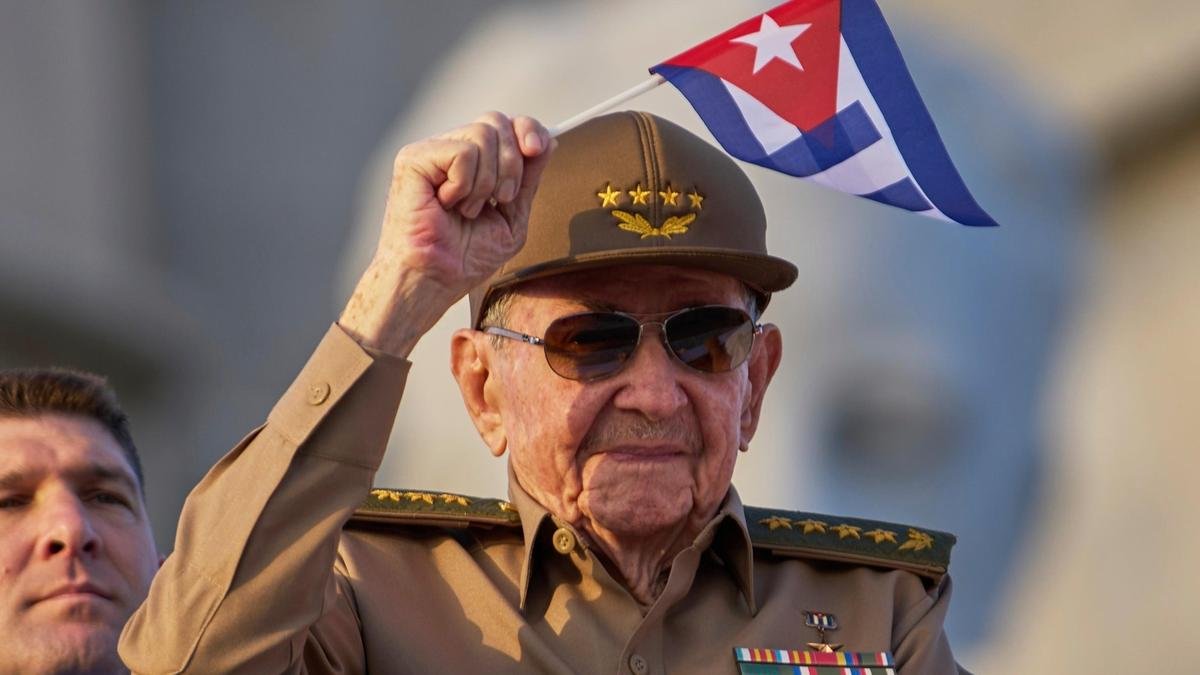
When Fidel Castro laid out the plans to storm the Moncada Barracks in 1953, his younger brother Raul was just 22. He signed up for the attack. The barracks attack failed, but the revolutionary spirit Fidel kindled would grew into a firestorm, eventually toppling the dictatorship of Fulgencio Batista. It was Raul who introduced the Argentine doctor Ernesto ‘Che’ Guevara to Fidel during the civil war. After the 1959 revolution, Raul became Minister of the Revolutionary Armed Forces, a post he would hold for 49 years. He helped lead the country’s defences during the 1961 Bay of Pigs invasion and built the revolutionary state’s defences.
When Cuba fell into economic uncertainty after the collapse of the Soviet Union in 1991, Raul played a key role in managing and mitigating the crisis. In 2006, he took the reins of the country after Fidel fell ill. During his presidency, which started in 2008, Raul sought to improve ties with the U.S., which had imposed crippling sanctions on the island immediately after the revolution. He legalised private enterprise, took down the controversial dual currency system, and kept his promise to step down after two terms. The Obama administration responded positively to this reform push, by normalising ties between the countries. But then Donald Trump would become the President and undo everything Mr. Obama did with regard to Cuba.
Raul today is 94 and is not involved in the day-to-day affairs of the country. Last week, the Trump administration, which has imposed an oil embargo on Cuba, indicted Raul over the 1996 shootdown of two civilian aircraft over the Florida Straits. Raul was then the Defence Minister of Cuba.
The indictment is part of a broad attempt by the Trump administration to punish Cuba’s communist leadership and its 11 million people. The blockade has cut off oil shipments to Cuba, sparking fuel shortages, sharp price increases and prolonged nationwide power outages. Cuba was already in deep economic peril. What made it worse was the U.S. abduction of Venezuelan President Nicolas Maduro in early January. Delcy Rodriguez, Mr. Maduro’s Vice President who became acting president of Venezuela with Donald Trump’s blessings, stopped exports of fuel to Cuba. Venezuela was providing Cuba with 70,000 barrels of crude per day. An American naval blockade in the Caribbean and threats of sanctions persuaded other countries, such as Mexico, also to cut their fuel shipments to Cuba. Russia sent two tankers of fuel to Cuba, defying the U.S. blockade, but that would only buy weeks for the Cuban economy.
Millions of Cubans are enduring power outages lasting up to 20 hours a day. Essential services ground to a halt. Public transport is stalled, banks reduced working hours and flights are disrupted as the government has rationed fuel. Amid this worsening economic crisis, the Trump administration has enhanced the heat on the country by indicting Raul Castro. A regime change in Cuba has long been a goal championed by the U.S. establishment and the Cuban immigrant community in the U.S. Marco Rubio, the U.S. Secretary of State who is a Cubam emigre, is known for his hawkish position towards Havana. The administration has reportedly handed a list of demands to Cuba, including removal of Castros from the government, initiating “reforms”, release of political prisoners and steps towards holding multi-party elections. As the U.S. is trying to exit the Iran mess through a negotiated settlement, it is shifting its focus towards Cuba, pushing the country towards an economic collapse.
To understand the evolution of the Cuban system and the role Raul Castro played in it, read this profile of the former Cuban President, written by my colleague Srinivasan Ramani: Raul Castro | The old man and the siege.
The Top Five
China’s past decisions to go to war were not driven by only territorial or military objectives, but shaped by wider political and geopolitical factors, according to a new book China’s Wars: The Politics and Diplomacy Behind its Military Coercion by former Ambassador to China Vijay Gokhale.
Ahead of Quad Foreign Ministers’ Meeting, Toshimitsu Motegi says critical mineral cooperation is at the top of the agenda, calls for better infrastructure, protection for intellectual property rights in India.
3. ‘Tactical’ relations with other countries will not come at the ‘expense’ of India ties: Marco Rubio
U.S. Secretary of State underlines strategic alliance with India, calls Iran the ‘world’s leading sponsor of terrorism’, says Tehran has been holding civilian vessels hostage; S. Jaishankar calls for ‘safe and unimpeded maritime commerce’
4. The U.S. ends Russia oil waiver, implications for India
The world’s emerging economies are increasingly being caught between geopolitics and energy survival, writes Shrikant Madhav Vaidya
5. Yang Shuang-zi | Daughter of the soil
The Taiwanese author, who won this year’s International Booker Prize, says literature cannot be separated from politics, writes Radhika Santhanam.
Published – May 25, 2026 10:40 am IST
