


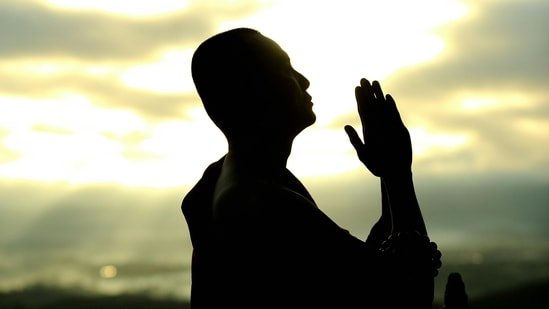
A recent video of spiritual leader Sadhguru reflecting on his sister’s decision to become a monk has reopened a familiar question: Why do some people choose spiritual paths that can seem difficult, unexpected or even painful to their families?
In the clip, Sadhguru shares a personal memory that many viewers found emotional.
“My sister became a monk. She just left one day,” he says.
He then recalls how deeply the decision affected his father. “My father just came and sat on one chair. He just wept and wept and wept for 3 days.”
For many families, choices linked to spirituality, monastic life or deep inner seeking can be hard to understand. They may look like walking away from security, relationships or traditional milestones. But experts say that for some people, the pull toward a spiritual path comes from a search for meaning, purpose or a stronger connection with themselves.
In the video, Sadhguru suggests that life-changing decisions are not always guided by emotional comfort.
“Nothing wonderful can ever happen if you go by those emotions. You wouldn’t have a Gautama,” he says, referring to Gautama Buddha, who left behind royal life in search of spiritual truth.
The idea is not new. Across traditions, spiritual figures are often remembered for choosing inner calling over social expectations.
Sadhguru points to another example in the video: “Jesus said, ‘I have no mother.’ That doesn’t sound gentle at all. But that’s how it is.”
At the same time, he cautions against confusing deep commitment with impulse.
“You have to see whether this is really what you want to do or is it just a whim?” he says.
That distinction matters, experts note. A spiritual path is not always about becoming a monk or leaving everything behind. For many people, it may simply mean meditation, devotion, service, self-reflection or a desire to live with greater awareness. The reasons can vary widely, from personal loss and burnout to curiosity, inner dissatisfaction or a longing for something that feels more meaningful.
The video also touches on the relationship between thoughts and emotions, a topic that resonates with many people navigating stress or inner conflict.
“The way you think is the way you emote. Emotion is just a juicier and heavier part of the thought,” Sadhguru says in the clip. “Emotion doesn’t need any handling. If you keep your thought on track, emotion will follow.”
Whether one agrees with this perspective or not, the conversation highlights a broader reality: spiritual journeys often begin with questions that many people quietly carry. Questions about purpose, identity, peace and what truly matters.
For some, those questions remain part of daily life. For others, they become powerful enough to change the direction of an entire life.
