


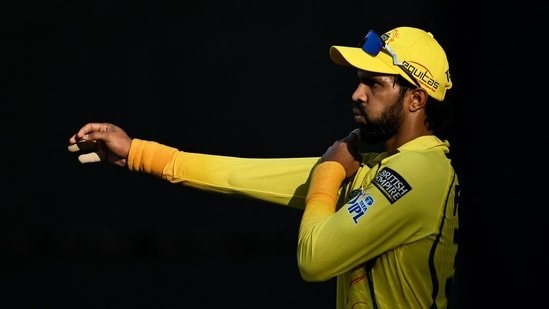
CSK finished IPL 2026 with six wins from 14 matches, 12 points and no playoff place. The campaign ended with an 89-run defeat to the Gujarat Titans, a scoreline that did not feel like bad luck. It felt like the season arriving at its honest conclusion.
What made the audit uncomfortable was the money. CSK were not a value-dead franchise. Their rating-adjusted worth exceeded their auction spend. Their books were in the green. Their players had produced enough individual returns to keep the ledger respectable. By the numbers, they looked like a team that had done a reasonable amount of business.
That is exactly what makes this season so difficult to read. CSK did not fail because they wasted everything. They failed because the value came from the wrong places, the expensive core did not deliver, and the final three games stripped away every excuse. A profitable franchise can still have a broken season. CSK proved that.
They came back. Then broke exactly when it mattered
The season had a shape, and the shape was cruel.
Three defeats to open, against Rajasthan, Punjab and Bengaluru, and CSK looked like a side carrying old names into a new problem they had not solved. The batting had no rhythm. The bowling had no settled authority. The campaign began with repair work already overdue.
Then, for a month, they fixed it.
Six wins across the middle stretch pulled them back to six wins from 11 games. Not dominant. Alive. That distinction matters because this was not a dead season drifting toward the exit. CSK had actually earned the right to a final push.
They wasted it completely.
LSG chased 188 in 16.4 overs. SRH chased 181 at Chepauk. GT made 229/4 and won by 89. Three qualification games. Three losses. Not bad luck, but bad execution at the exact moment the season asked for something real.
That final sequence is the whole story. CSK repaired enough to return. They were not good enough to arrive.
The balance sheet looked better than the cricket
CSK generated ₹122.84 crore in rating-adjusted worth against a full auction cost of ₹114.65 crore. Eight crore in profit. A 7.14% return on outlay. On paper, not a broken season.
The problem is where that profit came from.
Jamie Overton, Anshul Kamboj, Ayush Mhatre, Urvil Patel and Akeal Hosein were bought to support the structure. They ended up saving it. Overton turned a ₹1.50 crore price tag into ₹11 crore of value. Kamboj returned ₹8 crore-plus. Mhatre and Urvil, both low-cost pickups, produced returns that made the expensive failures harder to ignore. Their success was real cricket. It was also a red flag. CSK’s finances were being rescued by players who were never meant to carry anything.
The other end made the cost plain. Prashant Veer and Kartik Sharma cost ₹28.40 crore combined and returned nowhere near that. Shivam Dube, Noor Ahmad, Rahul Chahar and Khaleel Ahmed all finished in the red. That is too much expensive underperformance concentrated in one squad.
So the ₹8.19 crore profit, the 7.14% headline return, is not a verdict on the season. It is an accounting narrow escape. The bargains hit. The premium block did not. In 14 matches, that gap ran straight from the auction table to an 89-run elimination.
Although it has to be kept in mind that injuries at the wrong moments hit the franchise both in our monetary model and in cricket on the field.
Ruturaj’s ledger profit came from captaincy, not batting
The model leaves Ruturaj Gaikwad with nearly ₹5 crore in profit. That number needs to be read carefully. It is not a batting endorsement. It is the captaincy paying the bill while the batting ran a quieter, separate deficit.
The captaincy held. CSK lost early ground, recovered form through the middle phase, and remained in qualification contention until the final week. Ruturaj did that. It counts.
But an ₹18 crore top-order player is not bought for survival management. He is bought to remove pressure from the middle order, to turn starts into control, to make the innings feel inevitable when the match is still alive. That batting was largely absent.
The SRH defeat concentrated everything into one number. Fifteen off 21, must-win phase, and the innings collapsed around the shape he set. It was not just a bad knock. It confirmed the split. Captain holding the campaign together, batter not pushing it forward.
The ledger does not call the season worthless. It says something harder: CSK got the captain they needed, and still did not get the ₹18 crore batting season they were paying for.
Sanju gave them peaks. The batting never gave them a floor
Sanju Samson was CSK’s most explosive presence and their single biggest impact contributor. His hundreds gave them nights of authority. His strike rate stopped them from becoming predictable. In a season when expensive pieces underdelivered, Sanju at least gave them the ceiling they had paid for.
The problem was everything beneath it. CSK’s batting had moments, not a machine. Sanju could give them a violent high. Mhatre and Urvil added value beyond their price. But the core between them did not consistently absorb pressure, control phases or finish games. That left CSK dependent on spikes, and spikes are not enough across 14 matches when the games that matter require something steadier.
Sanju finished almost exactly at the cost. Elite by impact inside the campaign. Not enough by consequence, because the rest of the batting order never built a stable floor beneath his peaks.
CSK needed Sanju’s peaks, Ruturaj’s control, Dube’s power and Kartik’s return to all land at once. They got one major batting pillar, two bargain stories and expensive silence everywhere else.
The bowling had names. It did not have a unit
Anshul Kamboj was one of CSK’s clearest wins. Overton gave high-value returns. Akeal Hosein’s spell in the MI demolition gave them their most controlled bowling performance of the season.
The attack still cracked when the season narrowed. LSG chased 188 with 20 balls left. SRH chased 181 at Chepauk. GT made 229/4. Those are not isolated bad nights. Those are the three games that ended the campaign, and all three were decided by an attack that ran out of answers under pressure.
Noor Ahmad played the full league stage. He cost ₹10 crore. He finished more than ₹4 crore in the red. A premium spin investment has to control middle overs, break partnerships and make chases uncomfortable. CSK did not get that across the season. Khaleel, Henry, Johnson and Chahar also finished in loss territory.
Kamboj and Overton were valuable. Akeal had major moments. Two good names do not make a playoff bowling attack.
The cheap players should not have been doing the heavy lifting
The most damaging part of CSK’s season is not that the value picks overperformed. That is a good thing. Every successful IPL side needs a low-cost surplus.
The damage is that the surplus became load-bearing. Mhatre and Urvil’s returns should have been acceleration layered on top of a strong core. Instead, they were part of the rescue. Kamboj and Overton did not simply add profit. They covered holes. Akeal did not give upside alone. He softened the damage elsewhere.
That is not balance. That is inversion.
A playoff squad’s premium players give the season its direction. The value picks add momentum to something already moving. CSK had the reverse: value picks keeping the model alive while the expensive end left too much unpaid. When the final stretch came, and the campaign needed senior weight, it collapsed instead.
The full auction bill does not wait for explanations. Prashant Veer’s loss was the deepest. Kartik’s return did not match his price. Dube could not justify ₹12 crore. Noor played every game and finished in the red. At the end of the season, opportunity cost stops being an excuse.
The bargains saved CSK from embarrassment. They did not save the squad architecture from itself.
The last week was the audit
Before the LSG game, CSK still had a route. Three wins, qualification alive, the repair work of the middle stretch still meaning something.
LSG ended that in 16.4 overs. Then CSK lost the next two games, too. Not one collapse but three. In the three games, the season was actually about.
That is why the profit number cannot soften the verdict. The ledger says CSK found value. The table says they lost the games that mattered. The scorelines say the ending was not unfortunate. It was earned.
Profitable. Not powerful. That is the difference
CSK were not hopeless. Overton was a real win. Kamboj was a real win. Ayush Mhatre and Urvil were real wins. Sanju gave them elite individual impact. Ruturaj gave them captaincy. The season even finished at a 7.14% return on full auction spend.
That should have been the base of a playoff push. It became evidence of a badly distributed season.
Too much value came from players who were not supposed to carry the campaign. Too much cost sat with players who did not define enough games. The captain’s account needed captaincy to subsidise batting. The bowling had individual returns without collective control. The final stretch exposed every crack simultaneously.
CSK’s IPL 2026 was not a financial wreck. It was something more frustrating: a profitable failure. The balance sheet found enough green to avoid humiliation. The cricket had enough cracks to miss the playoffs.
They did not lose because they had no value. They lost because the value came from the wrong places, at the wrong prices, while the expensive core failed to close the door when the season was still alive.
