


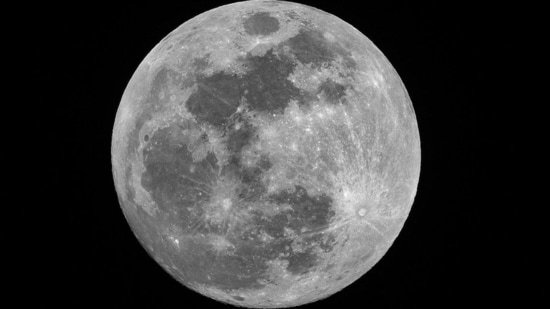
The New Moon or Amavasya has held a special place in spiritual traditions. While many people see it as simply a lunar phase where the moon disappears from the night sky, ancient yogic teachings viewed it as something much deeper. It was believed to be a period of inner silence, heightened awareness, and spiritual transformation.
According to HH Guruji Sundar of Aathman Awareness Centre, “It’s a rare cosmic condition where subtle energies affecting the mind and consciousness experience a major shift”. Amavasya is not merely the absence of moonlight. It is a unique cosmic state in which a human being’s inner energies become more receptive to spiritual growth.
Why does Amavasya hold spiritual significance?
In Hindu traditions and many ancient spiritual systems, Amavasya has long been considered an auspicious time to begin something new. Since the moon begins its waxing journey after complete darkness, it symbolises renewal, growth, and fresh possibilities.
However, HH Guruji Sundar explains that the significance goes beyond rituals and symbolism.
Ancient yogis believed that the moon has a close connection with the human mind. Over the years, they noticed that changes in the lunar phases can influence emotions, thoughts, and states of awareness.
According to HH Guruji Sundar, when the moon reaches complete darkness during Amavasya, the external mind naturally becomes quieter.
“As the moon enters stillness, the mind too can become quieter. This creates an opportunity for people to move inward and become more aware of their inner world,” he explains. For spiritual seekers, this inward shift becomes an important doorway to meditation.
How may Amavasya support deeper meditation?
One of HH Guruji Sundar’s teachings highlights Amavasya as a period that can support meditation and spiritual practices more naturally.
In yogic traditions, spiritual growth is often linked to Kundalini Shakti, a dormant spiritual energy present in every person. Seekers often work through meditation and discipline to elevate this energy toward higher states of awareness.
According to HH Guruji Sundar, Amavasya creates a supportive, energetic environment.
“The cosmic alignment between the Earth and Moon during Amavasya creates conditions that may naturally assist the upward movement of consciousness,” says HH Guruji Sundar.
He further explains that what may otherwise require intense effort can sometimes feel smoother during this phase. For this reason, yogis, sages, and spiritual practitioners across generations have often used Amavasya for meditation, silence, and inner practices.
The connection between silence and awareness
Meditation often becomes difficult because the mind is constantly occupied with thoughts, emotions, memories, and future worries.
According to HH Guruji Sundar, the New Moon phase may naturally encourage greater stillness.
“As the external lunar light disappears, the sensory mind gradually loses its dominance, and people may become more aware of the inner sky of consciousness,” he says.
Practitioners often describe experiences such as:
- deeper calm during meditation
- stronger intuition
- better concentration
- emotional release
- greater mental clarity
- moments of personal insight
For experienced meditators, Amavasya is also believed to support deeper states of practice, including dhyana and samadhi.
FAQs
Why is Amavasya important in spirituality?
Amavasya is often considered a meaningful time for self-reflection, meditation, and spiritual practices. Traditional beliefs suggest it supports inward focus and emotional awareness.
Can meditation during Amavasya feel different?
According to HH Guruji Sundar’s teachings, some individuals may notice greater calmness, focus, or emotional clarity while meditating during this phase.
What should people do on Amavasya?
Many spiritual practitioners spend Amavasya meditating, journaling, chanting, observing silence, or limiting distractions to create space for reflection.
Is there scientific proof for the effects of Amavasya and meditation?
Science recognises the moon’s influence on natural cycles. However, spiritual interpretations around consciousness and energy largely come from yogic and traditional teachings.
Why do yogis meditate during the New Moon?
Ancient yogic traditions viewed Amavasya as a time when the mind may become more inward and receptive, helping practitioners deepen their meditation.
Disclaimer: This article is based on inputs shared by an expert. Individual experiences may differ, and these views are not presented as scientific facts.
