


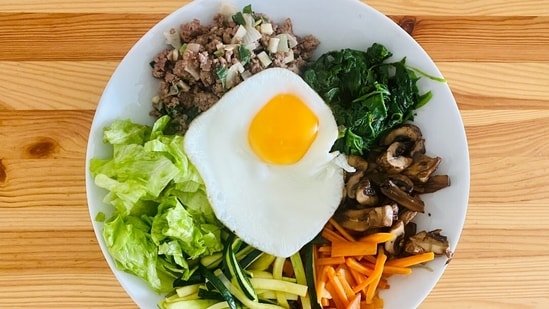
Hormone balance doesn’t just impact the menstrual cycle; it impacts mood, digestion, metabolism, skin condition, fertility, appetite, sleep quality, and much more. If hormones become imbalanced, the result is an array of physical and psychological effects, including menstrual cycle irregularities, exhaustion, breakouts, bloating, poor concentration, and weight fluctuation. But while seeking professional advice is necessary at times, food can also significantly contribute towards restoring harmony internally. In an interview with HT Lifestyle, Neeraja Mehta, integrative wellness coach and functional nutritionist, and founder of Evolve With Neeraja Mehta, shared food items that can naturally help in hormonal imbalances.
Also read | Hormonal imbalance and mental health: Doctor shares 5 ways how hormones can affect your mood
1. Flaxseeds
Flaxseeds, although small in size, are highly nutritious for women. Neeraja said, “They provide fibre, omega-3 fatty acids, and lignans, natural chemicals linked with healthy estrogen production.” Fibre is also useful for digestive health since constipation may affect the process of eliminating extra hormones from the body. As such, eating flaxseeds can help improve gut health while promoting hormonal balance. The best way to absorb flaxseeds is by grinding them first. She suggests mixing a tablespoon of them with curd, juices, oats, and homemade flatbread.
2. Leafy greens
These foods should have a regular place on one’s plate. They contain lots of magnesium, folate, iron, antioxidants, and fibre. “If you are a woman suffering from stress, fatigue, bad sleep, and premenstrual syndrome symptoms, then magnesium can be extremely beneficial for you,” highlighted Neeraja. Moreover, such foods do not cause a quick rise in blood glucose, making them suitable for metabolic regulation. Use them in your dals, soups, parathas, stir-fries, and everyday sabzis.
3. Nuts and seeds
The inclusion of nuts and seeds in the diet will give you an opportunity to get lots of healthy fats, minerals, and even protein. Neeraja mentioned that all these components promote hormone secretion, thyroid gland health, and feeling full. For instance, pumpkin seeds are rich in zinc, which is vital for reproductive function and skin health. Walnuts boast high levels of omega-3 fatty acids, whereas almonds contain a large amount of vitamin E and magnesium. A small portion of them per day can be a good start.
4. Unsweetened curd/yoghurt
While speaking about hormones, the digestive system often gets left unnoticed, even though hormones get absorbed and detoxified via digestion. Unsweetened curd and yoghurts contain healthy probiotics, which can help regulate hormone metabolism. In addition, yoghurts also contain protein and calcium, which makes them a good choice for everyday eating. Neeraja recommends choosing unsweetened products and combining them with seeds, fruit, or lunch meals.
5. Lentils and legumes
Such foods as dals, chickpeas, rajma, black chana, and moong can be among the best foods for women’s hormone health. They contain plant proteins, fiber, iron, and slow-digesting carbs. Neeraja Mehta draws attention to the structure of meals in favour of continuous snacks throughout the day. This can be achieved easily with lentils and legumes since they help control appetite and stabilise blood sugar. Include them in such meals as dal, soups, salad, sprouts, chillas, or any grain dishes.
6. Berries and fibre fruits
Berry and other fibre-rich fruits such as guava, apples, pears, oranges, and amla provide antioxidants, vitamins, water, and fibre content to reduce oxidative stress and improve digestion. “Consuming fruits as opposed to desserts and other unhealthy packaged snacks will help in maintaining stable energy and reducing cravings,” Neeraja told HT Lifestyle. Combining fruit with nuts and yoghurt is an excellent snack choice. When berries are unavailable, one can choose Indian fruits, including guava, amla, papaya, and citrus fruits.
Note to readers: This article is for informational purposes only and not a substitute for professional medical advice. Always seek the advice of your doctor with any questions about a medical condition.
