


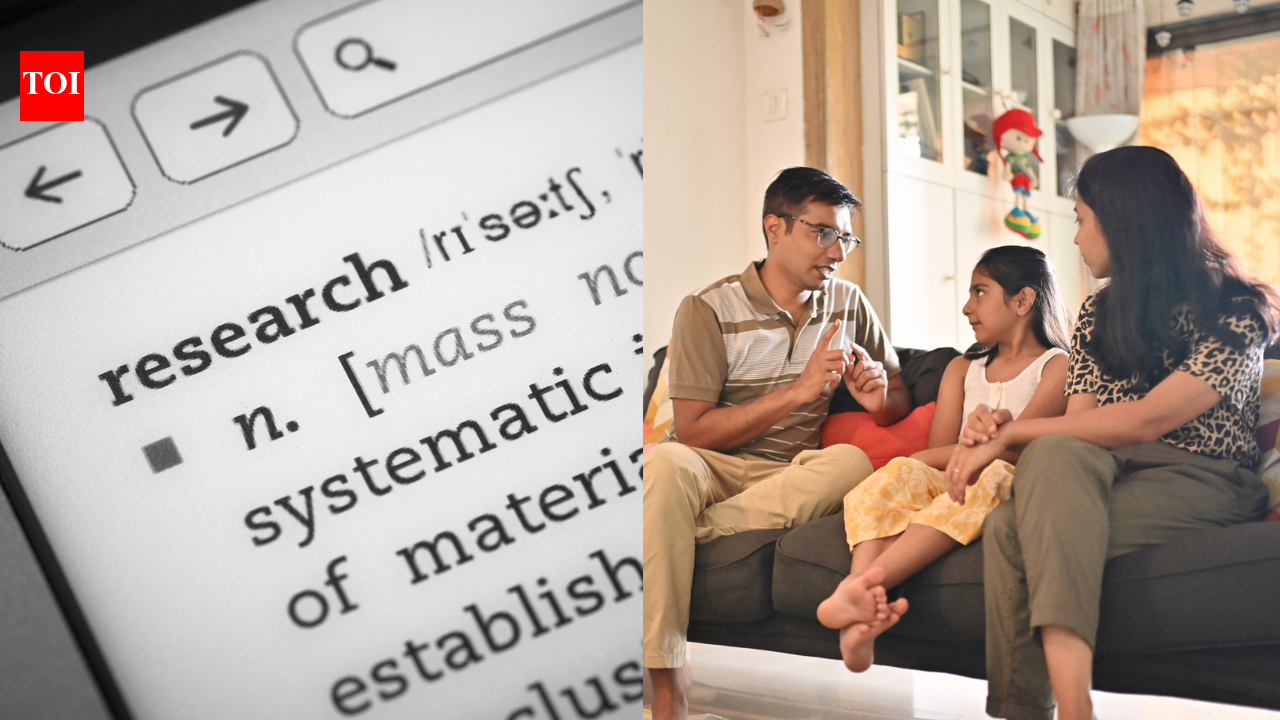
The fourth universal strategy is household rules, and the fifth is coaching skills. The researchers argue that rules alone are not enough; children need teaching, modelling, and practice. A child who breaks a rule is often not simply being difficult. More often, the behavior signals that a skill is missing, especially a self-regulation skill. That is where coaching comes in. Parents are encouraged to model the behavior they want, prompt the child through it, and praise effort once it appears.
This approach changes the meaning of discipline. Instead of treating discipline as a showdown, the primer describes it as a developmental tool. Parents can coach problem-solving, help children name what went wrong, and guide them toward a better choice next time. The goal is not control for its own sake. It is competence. A child who learns how to calm down, wait, persist, and recover from disappointment becomes more capable not only at home, but in school, friendships, and eventually adult life.
