


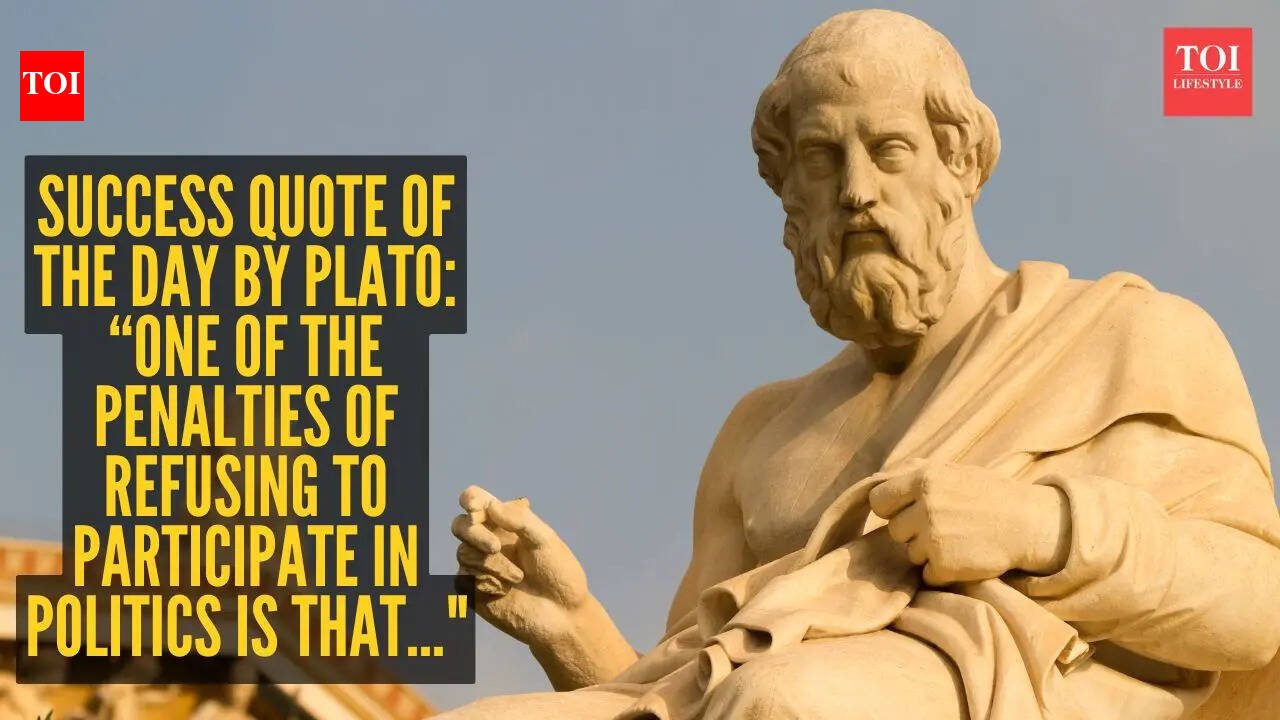
Plato didn’t think of politics as a dirty, disconnected field of power games. He saw it as deeply linked to ethics, education, and the kind of person a society wanted to become. In his ideal “Republic,” leadership is entrusted to philosopher‑rulers—people who care about truth, justice, and long‑term thinking, not just quick wins.
When he says that people who refuse to take part end up being governed by their inferiors, he’s not just talking about IQ or social status. He’s talking about character:
– Do your leaders think about the long term, or only the next election?
– Do they serve the people, or just their own interests?
When caring citizens disengage, it creates space for less thoughtful, less principled voices to step in simply because they’re the ones showing up. Over time, that can quietly shape laws, public policy, and everyday life.
