



On September 11, 2001, al-Qaeda hijacked four commercial passenger aircraft across the US, turning them into weapons in a meticulously planned assault.
Two of the hijacked planes struck the Twin Towers in New York and a third crashed into the Pentagon.
When the fourth flight – San Francisco-bound United Airlines Flight 93 – lifted off from Newark, New Jersey, at 8.42 am, the three hijacked planes were already in the air, closing in on their targets. The three crashes had set off harried security checks across the country.
The 40-minute delay that changed everything
According to the 9/11 Commission report, Flight 93’s departure was delayed by around 25 to 40 minutes due to congestion at Newark. This delay would end up playing a crucial role in how the day’s events unfolded.
Four hijackers were on board. They did not seize control of the aircraft until nearly 45 minutes — long enough for passengers and crew members to receive calls from their families and relatives about the World Trade Center attacks. By the time they did take over the aircraft, everyone on board knew the plane was being turned into a suicide weapon. This is what set it apart from the first three jets.
Through the calls, passengers like Tom Burnett learned that the hijacking wasn’t ransom or diversion, but part of an unprecedented wave of suicide attacks targetting American buildings. “I know we’re all going to die. There’s three of us who are going to do something about it. I love you, honey,” he told his wife over the phone, according to the History Channel.
Also Read | How a van bomb nearly brought down the Twin Towers
CeeCee Lyles, a flight attendant aboard Flight 93 and a former police officer, left a voicemail for her husband, Lorne. “They’ve hijacked the plane. I’m trying to be calm. We’ve turned around and I’ve heard that there’s planes that have flown into the World Trade Center,” she was quoted as saying by the channel.
“I hope to be able to see your face again, baby. I love you, bye”.
From fear to defiance
Forty-six minutes into the flight, the terrorists stormed the cockpit. They forced the pilots out, seized the controls, and banked the plane east, towards Washington.
Investigators claimed the target was almost certainly the US Capitol or the White House – the hijackers wanted to strike the heart of the US government.
Knowing they faced certain death, the passengers moved from fear to action – taking a vote in the cabin on whether to storm the hijackers, according to the 9/11 Commission Report.
Also Read | How the Unity of 9/11 Sowed the Seeds of America’s Deep Political Division
One Todd Beamer rallied those around him with four words that would become legend: “Let’s roll”. The crowd then moved towards the cockpit.
Storming the cockpit
The cockpit voice recorder relayed the crowd using a food cart as a battering ram to break through the cockpit door. Inside, a hijacker fought to stop them, rolling the plane side to side and pitching the nose up and down.
Despite the turbulence, the passengers fought on, determined to keep the plane from reaching its target. Sensing defeat, the hijackers drove the aircraft into a field near Shanksville, Pennsylvania – 20 minutes from Washington.
The cost of courage
Witnesses in Shanksville claimed they saw the aircraft roll erratically, flip upside down, and nosedive at over 500mph before slamming into an empty strip mine at 10.03am.
All 33 passengers and seven crew members perished. But their revolt stopped the plane from reaching its target, saved countless lives and shielded the US from another crippling blow.
Also Read | Trump makes 9/11 about himself, again
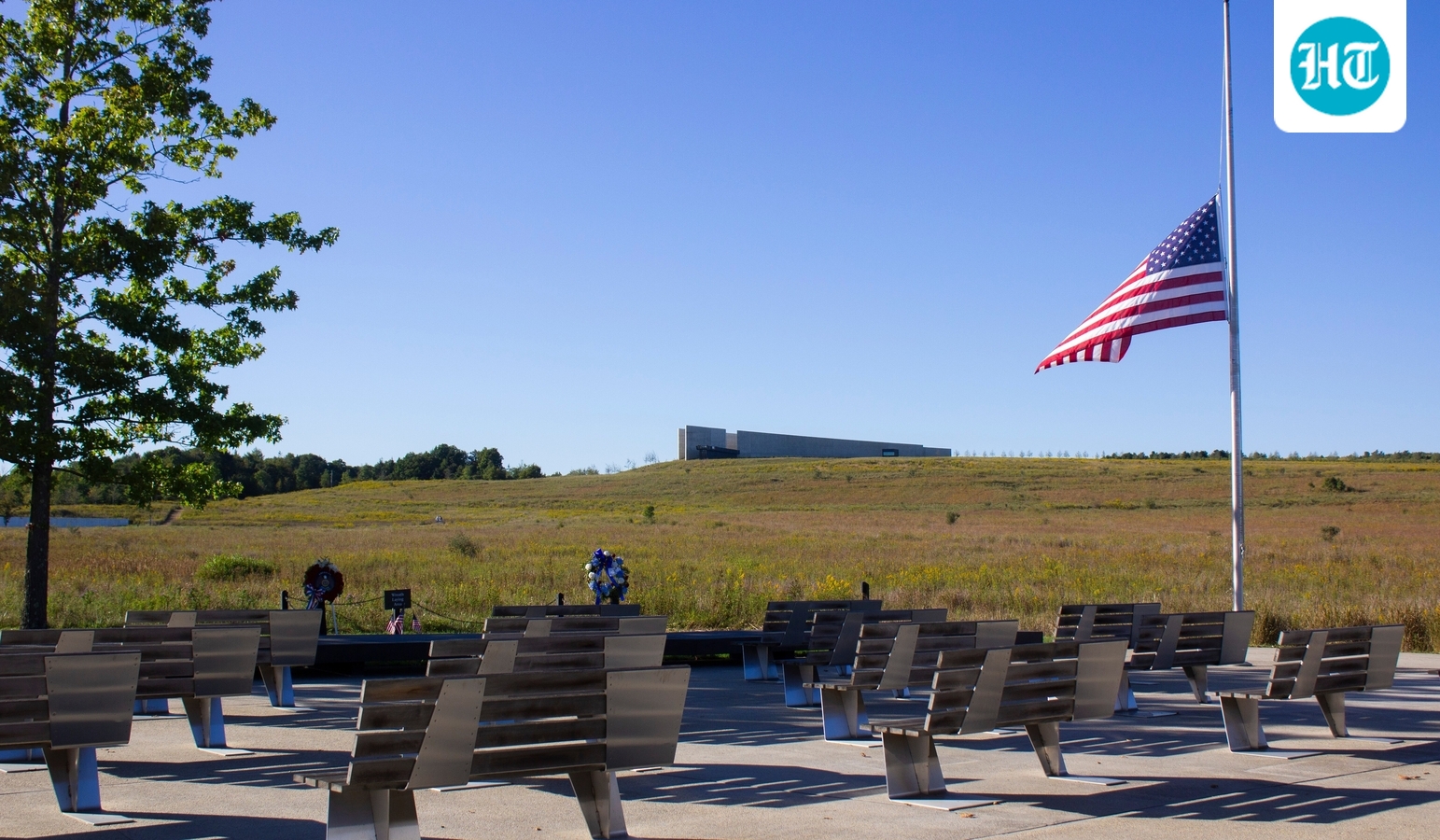
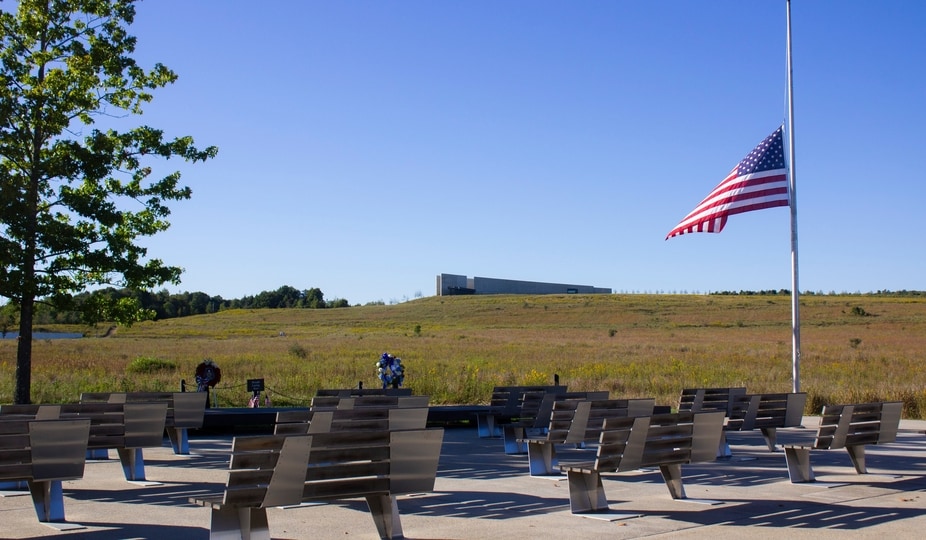
Today, that empty strip mine is home to the Flight 93 National Memorial – a lasting tribute to the passengers and crew whose final act of courage became one of the defining stories of heroism to emerge from 9/11.
