


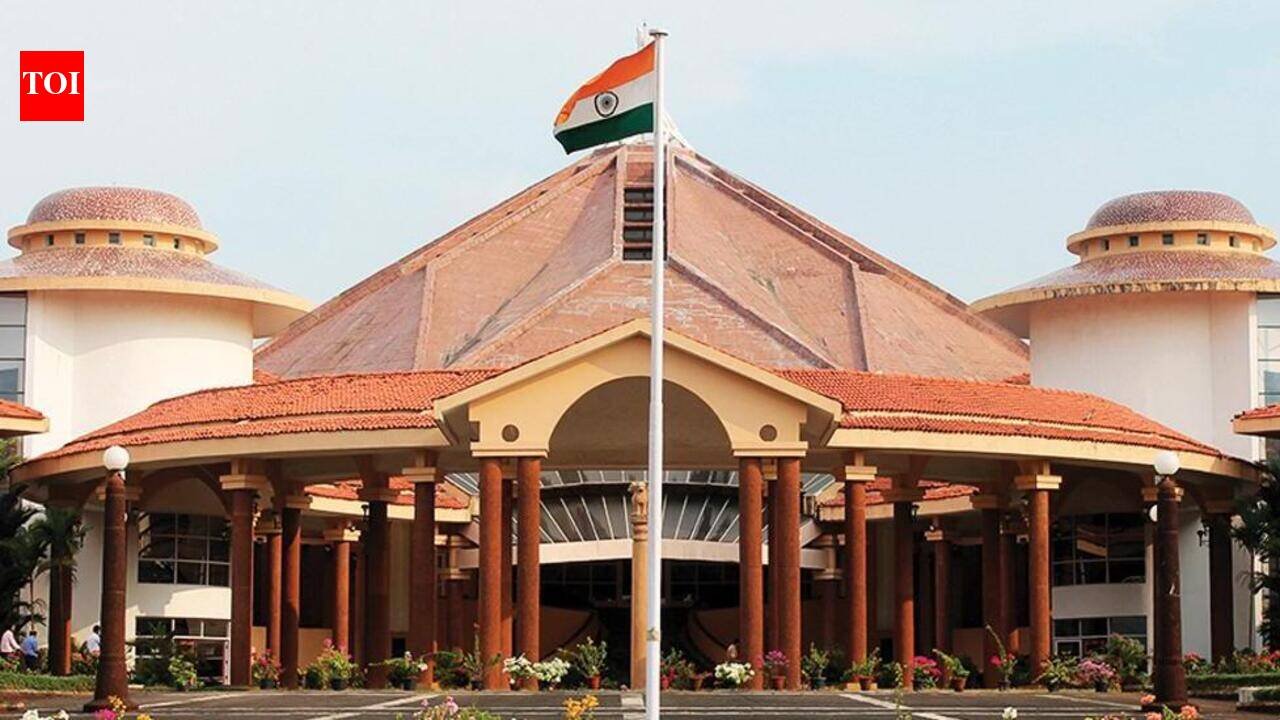
Panaji: The Opposition and govt are likely to lock horns during the three-day monsoon session of the legislative assembly beginning Monday. State govt will answer a total of 883 questions, including 163 starred ones, during the session. State govt is likely to introduce over 16 bills in the assembly.Opposition is all set to take on govt on the issues of the anti-conversion bill, land conversion, deteriorating law and order in the state, drug menace and Mhadei issue, among others.Leader of the opposition Yuri Alemao said that there is hardly any time for the opposition to expose govt on the floor of the House. He said that controversial questions related to town and country planning department have been disallowed on “flimsy grounds”.“The assembly session is just an eyewash. The session should have been more than 15 days. The anti-conversion bill will be introduced in the assembly to divert the current issue of land conversion happening in the state,” Alemao said. “We demanded a short discussion on Section 39A of the TCP Act, but it was disallowed.”He said that govt has failed to maintain law and order in the state and even the education department has issued a circular on drugs.Amid strong opposition to the anti-conversion law, chief minister Pramod Sawant said the bill had been approved by the cabinet and would be introduced in the legislative assembly. “The bill will be introduced in the assembly. Why should we discuss it now? Let it be discussed in the assembly,” Sawant said.Last week, the state cabinet approved the introduction of the Goa Prohibition of Unlawful Conversion of Religion Bill, 2026, in the assembly. The bill, which provides for imprisonment in jail till the end of life for certain offences, also proposes stringent penalties for religious conversions carried out through force, coercion, undue influence, allurement, fraudulent means, or marriage. It also provides for fines of at least Rs 50,000 and compensation of up to Rs 5 lakh to victims.Goa govt is also set to overhaul the state’s only jail at Colvale, with dedicated enclosures for transgender prisoners, tighter surveillance to curb organised crime behind bars, probes into sexual harassment, and the creation of open and semi-open correctional institutions.
