



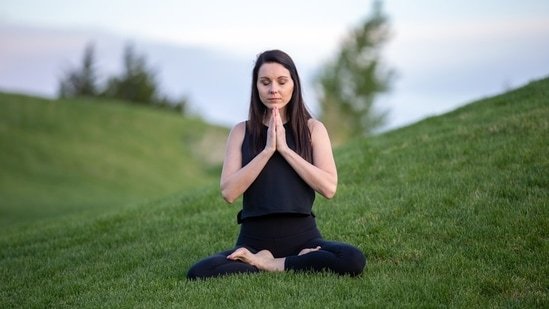
Some days feel louder than others. Your mind keeps jumping from one thought to another, your phone never stops buzzing, and even resting can start to feel like another task on your to-do list. That is probably why more people are turning to short meditation routines that feel simple, realistic, and easy to follow.
The idea is not to completely “empty your mind” or become perfect at meditation overnight. Sometimes, even 15 quiet minutes can help you feel a little calmer, lighter, and more present.
According to Harvard Health Publishing, mindfulness meditation may help reduce stress and anxiety while supporting emotional well-being over time.
You do not need a perfect setup
One of the biggest misconceptions about meditation is that it needs to look aesthetic or deeply spiritual. It really does not.
You do not need candles, expensive cushions, or a completely silent room. A quiet corner of your bedroom, your couch, or even a chair near a window is enough. The goal is to give yourself a few uninterrupted minutes away from constant noise and distraction.
Before you begin, try putting your phone away or turning notifications off. That alone can already make your mind feel less crowded.
Start by focusing on your breathing
Sit comfortably and close your eyes if that feels natural. Then slowly bring your attention to your breathing.
Do not worry about “breathing correctly.” Just notice the rhythm of your breath as it moves in and out.
At first, your thoughts may wander. You may suddenly remember emails, unfinished work, random conversations, or things you forgot to do earlier. That happens to almost everyone.
Meditation is not about stopping thoughts completely. It is about gently bringing your focus back whenever your mind drifts.
Some people find it easier to count while breathing:
- Breathe in slowly for four seconds
- Breathe out for four seconds
Even doing this for a few minutes can make your body feel more relaxed.
Let your mind slow down naturally
After a while, you may notice your thoughts becoming quieter. Not perfectly silent, just softer.
Instead of fighting every thought, let them pass naturally. Think of it like watching cars pass by outside a window. You notice them, but you do not chase after each one.
This part of meditation often helps people feel emotionally lighter, especially after stressful days.
End with something gentle
During the last few minutes, slowly bring your attention back to the room around you.
Some people like ending meditation with gratitude. Others repeat a calming thought or simply sit quietly for a moment before getting back to their day.
It does not need to feel deep or dramatic. Sometimes the biggest benefit is simply permitting yourself to pause.
Why short meditation routines are becoming popular
Many people are choosing shorter meditation practices now because they feel more realistic for everyday life. A 15-minute routine feels manageable, even on busy days.
That is probably why it works for so many people. There is less pressure to “do wellness perfectly.”
Some days meditation may feel calming. On other days, your mind may feel restless the entire time. Both experiences are normal.
What matters most is creating small moments where your mind gets a chance to breathe.
Disclaimer: This article is for informational purposes only. Readers are advised to be discreet.


