



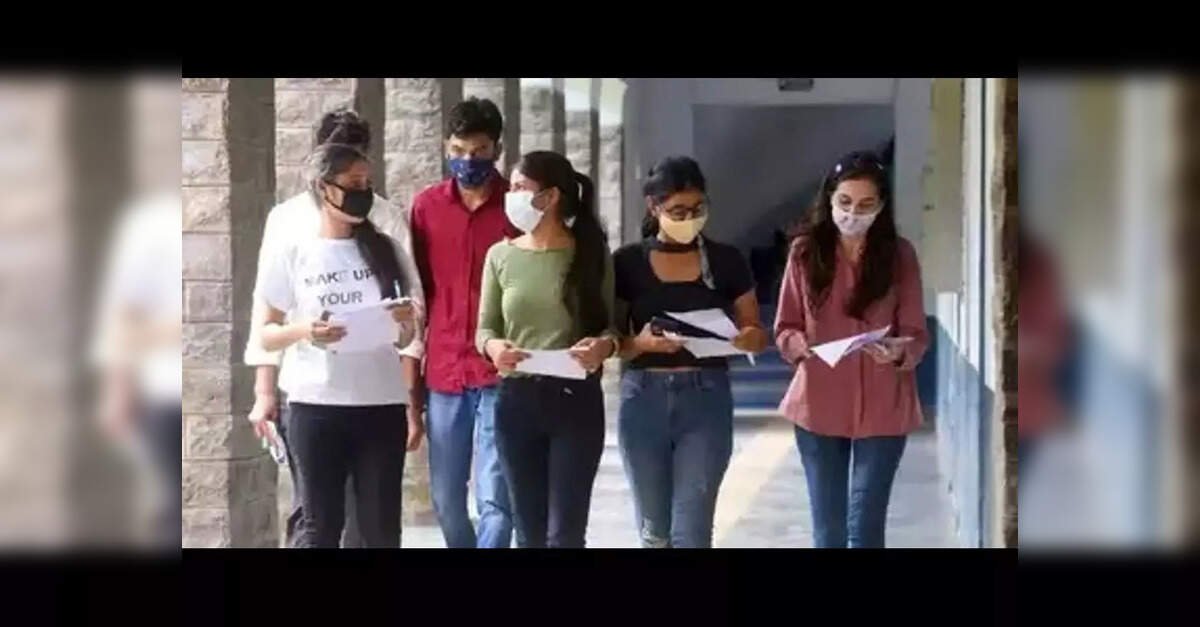
Indore: With the new academic session approaching, the higher education department launched a large inspection drive across colleges in the city to ensure students receive proper academic facilities. Twelve teams began visiting around 100 colleges in Indore to check whether the institutions actually provide the infrastructure and teaching support they claim.Each inspection team includes a naib tehsildar and two professors. During their visits, the teams are examining key facilities such as faculty strength, classrooms, laboratories, libraries, and computer labs. They are also verifying college records and land-related documents to confirm compliance with regulations.
Officials said the teams will spend nearly two to three hours at each college to understand the situation in detail. A major focus of the inspection is to ensure that colleges have enough qualified faculty members and adequate infrastructure in proportion to the number of students enrolled in different courses.
The drive mainly covers colleges offering traditional courses such as BA, BCom and BSc, along with professional programmes including BEd, MEd, law and MBA. These institutions currently have more than one lakh students enrolled. Indore has around 240 colleges affiliated with DAVV, of which 103 colleges running conventional courses are part of the present inspection.
Education officials say the exercise is important for protecting students’ academic interests. Over the years, several complaints surfaced about colleges lacking sufficient faculty members or basic facilities. Such grievances often reach the higher education department, the university and even the governor.
By conducting inspections before admissions begin for the new session, authorities hope to get a clear picture of the actual conditions in colleges. The findings will be compiled into a report and submitted to the higher education department within 15 days.
Based on the report, action may be taken against institutions that fail to meet required standards. Colleges with minor shortcomings may be given time to improve their facilities, while serious violations could lead to restrictions such as reducing student intake.
Meanwhile, DAVV is also expected to conduct its own inspections for affiliation compliance around April. These inspections will review factors such as availability of classrooms, CCTV systems, and appointment of qualified faculty members.


