


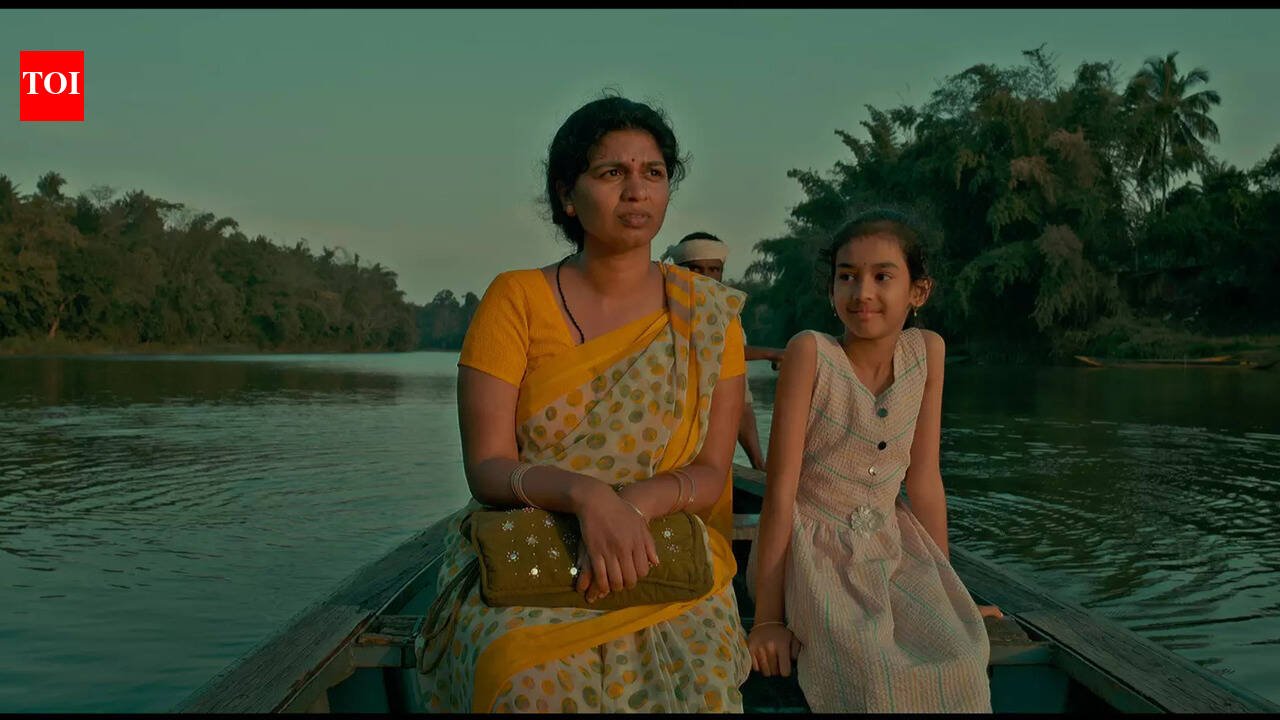
The 17th edition of the Bengaluru International Film Festival (BIFFES) concluded over the weekend, with Kannada film Vanya, Marathi film Sabar Bonda and Japan’s Lost Land winning the Best Film awards in the Kannada, Indian and Asian competition sections, respectively. We caught up with a few of the winners to understand what recognition at BIFFES means and what comes after. For director Badiger Devendra, a festival win brings mixed emotions.
It’s important for A-category actors to promote new filmmakers & their films
Badiger Devendra
‘Recognition comes with responsibility’ For Vanya director Badiger Devendra, winning at a film festival comes with mixed emotions. While recognition is encouraging, he believes it also brings a sense of accountability. “Winning a title at a film festival is a responsibility. From here on, all eyes are on you, and you need to aim to do better,” he said, adding that festivals have become one of the few accessible platforms for new filmmakers to reach audiences. Devendra also pointed to a larger crisis within Kannada cinema. “Whether you make commercial cinemas or bridge films, people just don’t watch movies like before. Film festivals bridge that gap by giving audiences a chance to explore new filmmakers. However, beyond recognition, you don’t really get much,” he noted, calling for greater support from established stars. “It’s important for A-category actors to come out and promote new filmmakers and their films, which is not happening.” ‘Voice matters more than origin’ Sabar Bonda (Cactus Pears) director Rohan Parashuram Kanawade stressed that a filmmaker’s origin matters far less than the authenticity of the work. “I don’t think the place you come from really matters. What matters is the film you have made and whether it has your own voice,” he said. According to him, budget constraints are secondary if a film is able to emotionally connect with viewers. “If a film makes you feel something and feels like an authentic voice, that’s all that matters for film festivals.” Rohan also emphasised that festival success is only one step in a film’s journey. “After festivals, the main goal is to get the film into theatres because you want a global audience. We’re telling stories of human beings, and there are human beings all over the world. These stories should be global,” he said, adding that the real work begins after the festival circuit ends. ‘Don’t wait for your stars to align, make the film’ For Malayalam filmmaker Fazil Razak, whose Moham (Desire) won the Second Best Indian Film award, festivals serve primarily as a testing ground. “At present, what is most helpful for filmmakers like us are film festivals. They are the easiest way to reach audiences and gauge their response,” he said. While acknowledging the value of awards in expanding a film’s reach, Fazil rejected the idea that accolades should dictate future creative choices. “Winning an award or making a film is not necessarily a responsibility. When we make a film, we simply try to do our best and narrate the story honestly. We don’t let the recognition of one film affect our process.” Fazil also offered a candid reflection for aspiring filmmakers. “Many times, things don’t work out, because of production issues or problems with actors. But despite all the hurdles, the most important thing is to make the film. If you manage to do that, you’ve already won as a filmmaker. You shouldn’t wait for all your stars to align, to make a film,” he said, urging newcomers not to wait for perfect conditions to begin. 17th BIFFes Award winners Asian cinema competition: Best Asian Film: Lost Land (Hara Watan) — Directed by: Akio Fujimoto (Japan) Second Best Asian Film: Shape of Momo — Directed by: Tribeny Rai (India/Nepali) Third Best Asian Film: The Deepest Space in Us — Directed by: Yasutomo Chikuma (Japan) Special Jury Mention: Republic of Pipolipinas (Republika Ng Pipolipinas) — Directed by: Renei Dimla (Philippines) Indian cinema competition: Best Indian Film: Sabar Bonda (Cactus Pears) — Directed by: Rohan Parashuram Kanawade (India) Second Best Indian Film: Moham (Desire) — Directed by: Fazil Razak (India) Third Best Indian Film: Kaadu — Directed by: Suneesh Vadakumbadan (India) FIPRESCI Award: Gondhal — Directed by: Santosh Davakhar (India) Special Jury Mention: Sarkeet (A Short Trip) — Directed by: Thamar Mon Karuvanta Valappil (India) Kannada cinema competition: Best Kannada Film: Vanya — Directed by: Badiger Devendra (India) Second Best Kannada Film: Nam Saali — Directed by: Aneelkumar (India) Third Best Kannada Film: Ravana Rajyadalli Navadampathigalu — Directed by: Ranga (India)
We don’t let the recognition of one film affect our process of filmmaking
— Fazil Razak
