



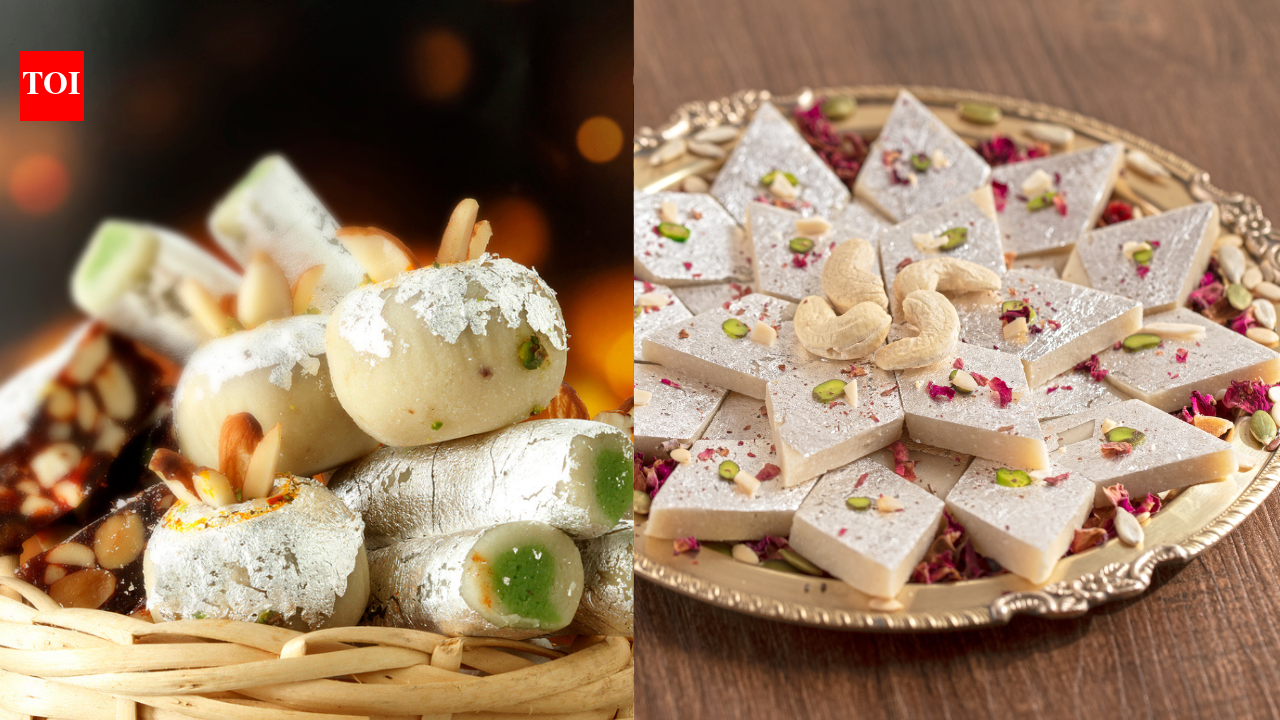
Indian sweets often arrive looking like they have been dressed for a celebration. A piece of barfi glints softly under a thin silver sheet. A peda catches the light. A mithai box opens, and the first impression is not just taste, but shine. That fragile layer, known as varak or vark, has become one of the most familiar visual signatures of Indian sweets. Yet it is easy to forget how old, and how layered, the practice really is. The silver covering is not there by accident, and it is not merely for decoration. It sits at the intersection of tradition, status, ritual, and presentation, carrying with it ideas of purity, luxury, and respect for food. In a culture where sweets are often tied to festivals, offerings, weddings, and first meetings, the silver leaf helps turn something edible into something ceremonial. It tells the eye that this is not ordinary food. It is food meant to mark a moment. Scroll down to read more…


