
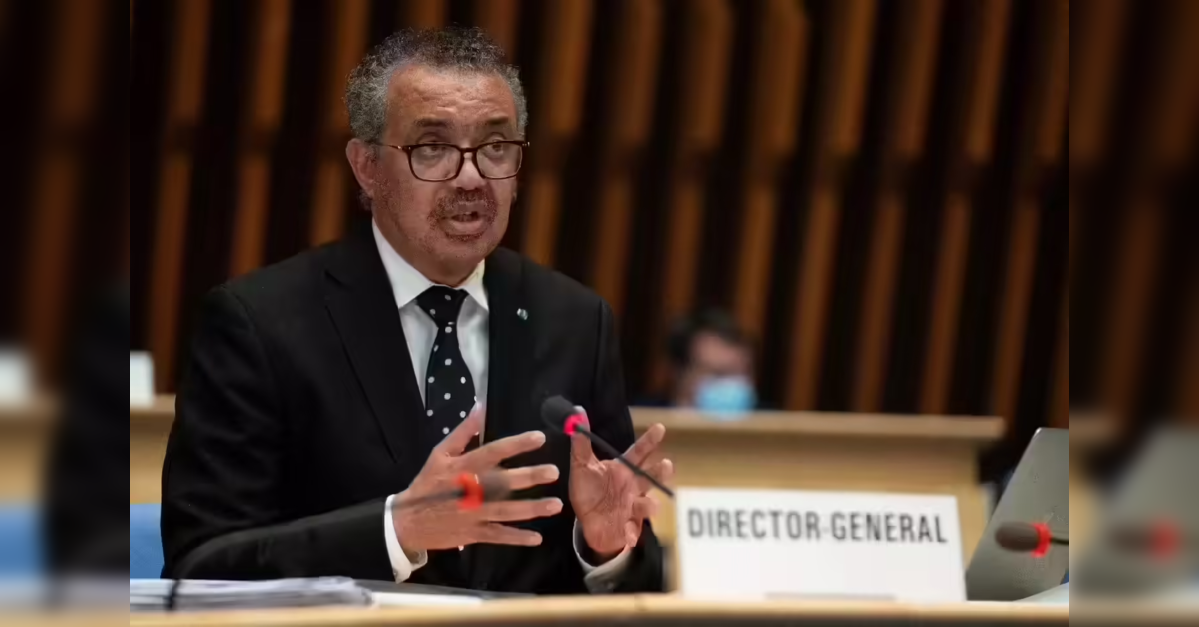
Geneva: The head of the World Health Organization on Wednesday slammed an “unethical” planned US-funded hepatitis B vaccine trial in Guinea-Bissau, saying it would deny children a proven safe and effective vaccine.
WHO chief Tedros Adhanom Ghebreyesus said it was up to the junta-run West African nation as to whether it wanted to go ahead, “knowing full well that it’s unethical”.
It comes two months after an advisory panel appointed US health chief Robert F. Kennedy Jr — who has long voiced vaccine-sceptic rhetoric — voted to stop recommending that all newborns in the United States receive a hepatitis B vaccine.
The move to end the decades-old recommendation is the panel’s latest contentious about-face on vaccine policy.
Kennedy is in charge of the Department of Health and Human Services (HHS), while the Centers for Disease Control and Prevention (CDC) is the top US public health agency.
“The CDC is funding a gold-standard, independent study designed to answer questions about the broader health effects of the hepatitis B vaccine,” HHS spokesperson Emily Hilliard told AFP.
“This research aims to fill existing evidence gaps to help inform global hepatitis B vaccine policy and is based on the highest scientific and ethical standards.”
At a press conference at the WHO’s Geneva headquarters on Wednesday, Tedros made his views clear about the study, which would randomise whether or not 14,000 newborns receive a hepatitis B vaccine birth dose.
– Violation of ‘basic protocol’ –
“Guinea-Bissau is one of the countries with high prevalence of hepatitis B and withholding a birth dose could actually expose infants to a high chance of infection, and that means including a significant proportion of deaths,” he said.
“This violates the basic protocol: while you have effective medicine, denying half of the population of children access to a vaccine that has been there for more than 40 years, which is safe and effective, is not ethical.”
Tedros said Guinea-Bissau was a sovereign nation free to decide its position, but for WHO, “it’s unethical to proceed with this study”.
“The country can proceed, knowing full well that it’s unethical, and the scientists can proceed, knowing full well that it’s unethical,” he stressed.
Tedros said the WHO was preparing a full statement, because “such studies could affect other countries” too.
It is understood that the trial had been paused, but is expected proceed following further evaluation.
US health authorities previously recommended that all babies, not just those born to mothers believed to have hepatitis B, receive the first of three vaccine doses just after birth.
The approach aimed, in part, to prevent transfers from mothers who unknowingly had hepatitis B or had falsely tested negative, and had virtually eradicated infections of the potentially deadly liver disease among young people in the country.
Guinea-Bissau’s junta overthrew president Umaro Sissoco Embalo and seized power on November 26, just days after the presidential election and before the official results were released.>
