
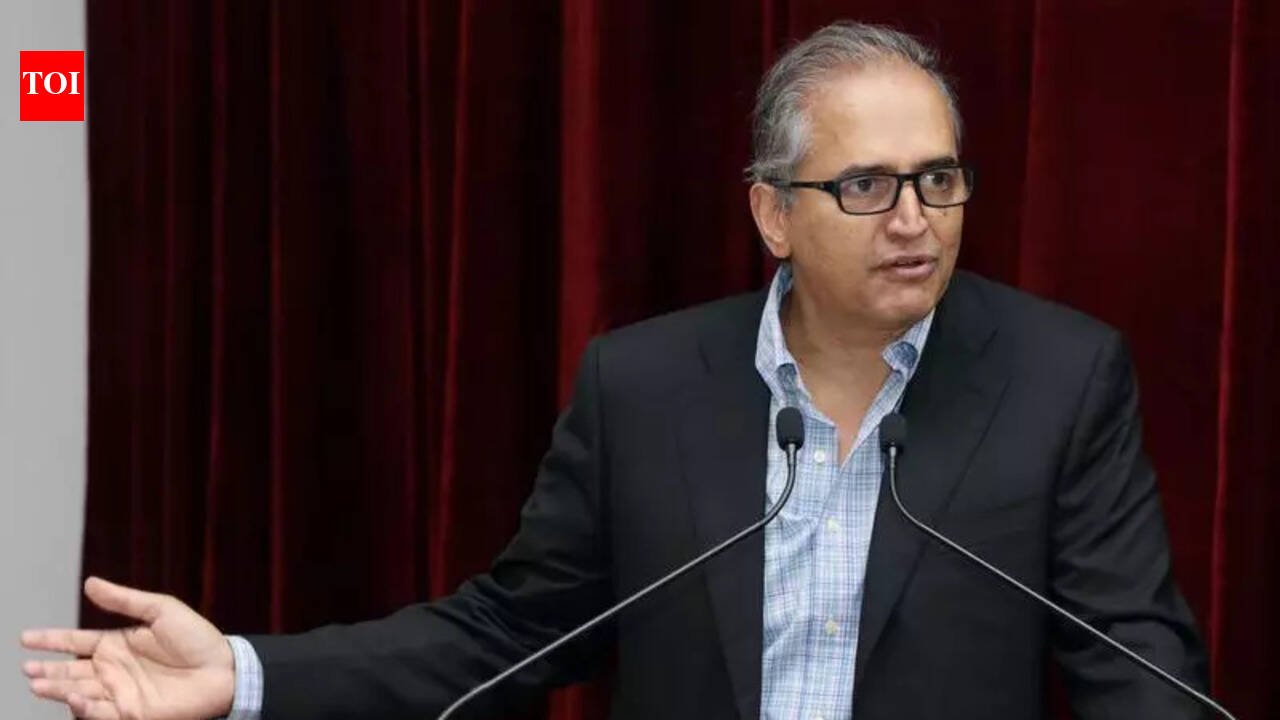
Bengaluru: “Medical education in India has become an elitist affair,” remarked founder and chairman of Narayana Health, Dr Devi Shetty Saturday, highlighting the importance of training children from economically weaker classes to crack NEET and enabling them to become doctors. He also urged wealthy families in the country to spare Rs 50,000 each to train such students to create better doctors, while speaking about Narayana Health’s educational initiative, Udaan.Dr Shetty said clearing the NEET remains one of the most competitive challenges anywhere in the world, with lakhs of students competing for the limited govt seats. He said clearing the exam without proper coaching and guidance, which is not provided in regular schools, becomes extremely difficult.“If we don’t go out of the way to train, children from working-class and poor families will not stand a chance to compete with the children with all the resources. It is important that children from lower socioeconomic backgrounds become doctors. In my observation, outstanding doctors across the world, with magic in their fingers, generally come from a deprived background. Because these are the children with the fire in the belly, and they are willing to work 16, 18 hours to learn the art of healing,” Dr Shetty said.Udaan is a long-term programme designed to strengthen India’s healthcare workforce by enabling meritorious students from economically modest backgrounds to access medical, nursing and paramedical education only in govt institutions through structured guidance and financial support. In 2024-25, the initiative supported 36 students in securing admissions to AIIMS. Among the 475 students who were supported, 205 gained admissions across 30 govt medical institutions countrywide. “It costs roughly Rs 50,000 to help one deserving student prepare effectively for the exam. If 50,000 financially secure families in India each supported one or two students, we could enable 50,000 talented young people every year to enter govt medical colleges. That would transform the future of healthcare in our country,” he said.
