


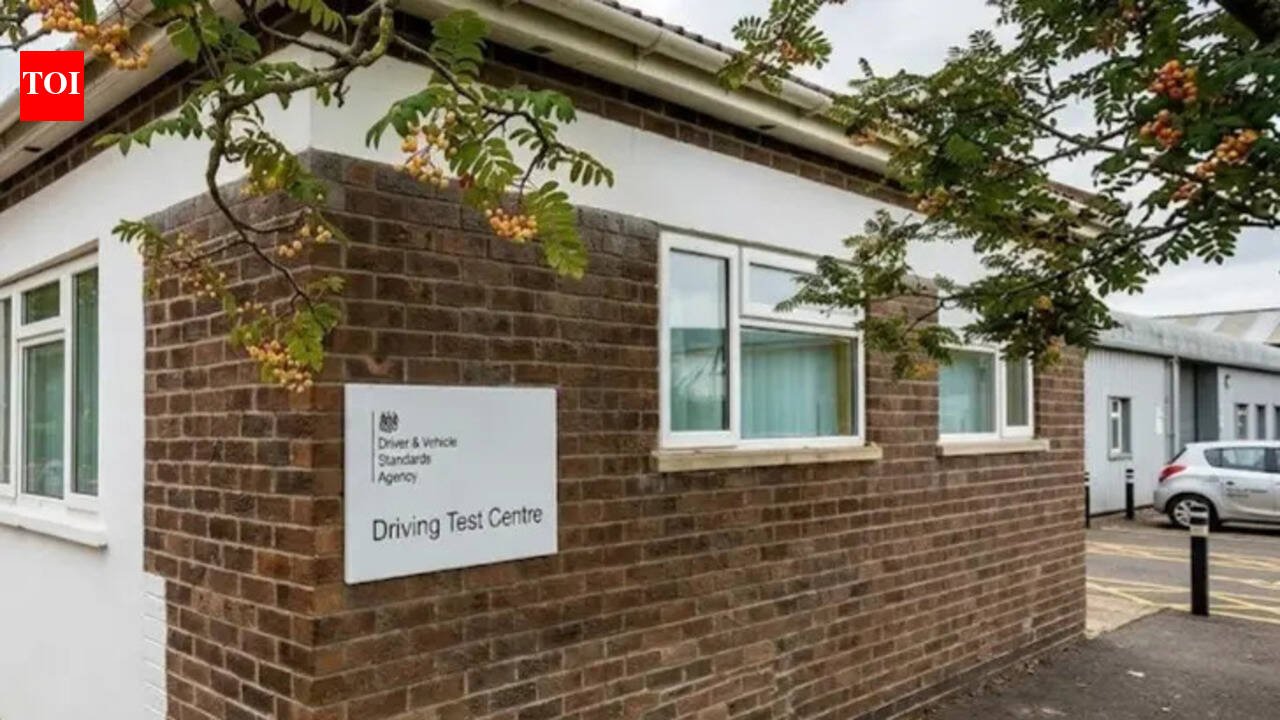
Britain’s driving test system is undergoing its biggest overhaul in years as authorities attempt to tackle widespread no-shows, booking abuse and record waiting times that have left hundreds of thousands of learner drivers struggling to secure appointments.The latest changes, introduced by the Driver and Vehicle Standards Agency (DVSA), come after thousands of driving test slots went unused and concerns grew over automated bots, third-party booking services and appointment resellers exploiting the system. The reforms are designed to ensure test slots reach genuine learners while helping reduce lengthy waiting lists across England, Scotland and Wales.
New UK driving test rules explained
The final phase of the DVSA’s booking reforms comes into force on 9 June, bringing significant restrictions on how learners can manage their driving test appointments.Under the new rules, learners who wish to move a booked driving test can only transfer it to one of the three nearest test centres to their original booking location. Previously, appointments could be moved to almost any test centre in the country if availability existed.The latest measure follows two major changes already introduced this spring. Since 31 March, learners have been limited to just two changes per booking instead of six. Since 12 May, only learner drivers themselves have been allowed to book, change, cancel or swap driving tests. Driving instructors and third-party companies are no longer permitted to do so on a learner’s behalf.The DVSA says the restrictions are intended to make the booking system fairer and prevent misuse of valuable test slots.
Why are authorities taking action?
The changes come as Britain continues to grapple with severe driving test backlogs that emerged during and after the Covid-19 pandemic.According to DVSA figures, average waiting times for a practical driving test have risen to more than 22 weeks in many parts of the country, compared with around five weeks before the pandemic. At the same time, authorities have been battling a growing market of unofficial booking services and automated bots that secure appointments before reselling them to desperate learners.Transport officials say these practices have made it harder for genuine candidates to find tests and have contributed to inefficiencies in the booking system. Thousands of appointments are also lost each year because candidates fail to attend or repeatedly move bookings. The tighter rules are intended to ensure available test slots are used more effectively.In a statement announcing earlier reforms, Transport Minister Simon Lightwood said the measures were aimed at putting learners back in control of the booking process while reducing opportunities for exploitation.
What learners need to know?
The DVSA is urging learners to choose their test centre carefully from the outset because future transfer options will now be limited.Before booking, learners are advised to speak with their instructor to ensure they are ready for the test and to obtain their instructor’s reference number, which can be added during the booking process. Candidates must also confirm they are the person taking the test and agree to new terms and conditions.Anyone who uses both permitted changes and later needs to alter their appointment will have to cancel the booking and arrange a new test. However, a full refund remains available if a cancellation is made with sufficient notice.The new restrictions apply only to car driving tests and cover England, Scotland and Wales. Northern Ireland operates under separate arrangements.
Will it solve UK’s driving test backlog?
While the reforms represent one of the most significant attempts yet to improve the system, experts and learner drivers remain divided over whether booking restrictions alone can solve the wider shortage of test appointments.The government has already recruited additional driving examiners and introduced measures to increase testing capacity, but demand continues to outstrip supply in many regions. Industry observers argue that reducing abuse and preventing reselling should improve fairness, but they warn that long waits may persist unless testing capacity rises significantly.For now, the message from the DVSA is clear: learners should book only when they are genuinely ready, avoid unnecessary changes and make the most of increasingly valuable test appointments as authorities attempt to bring Britain’s driving test system back under control.
