
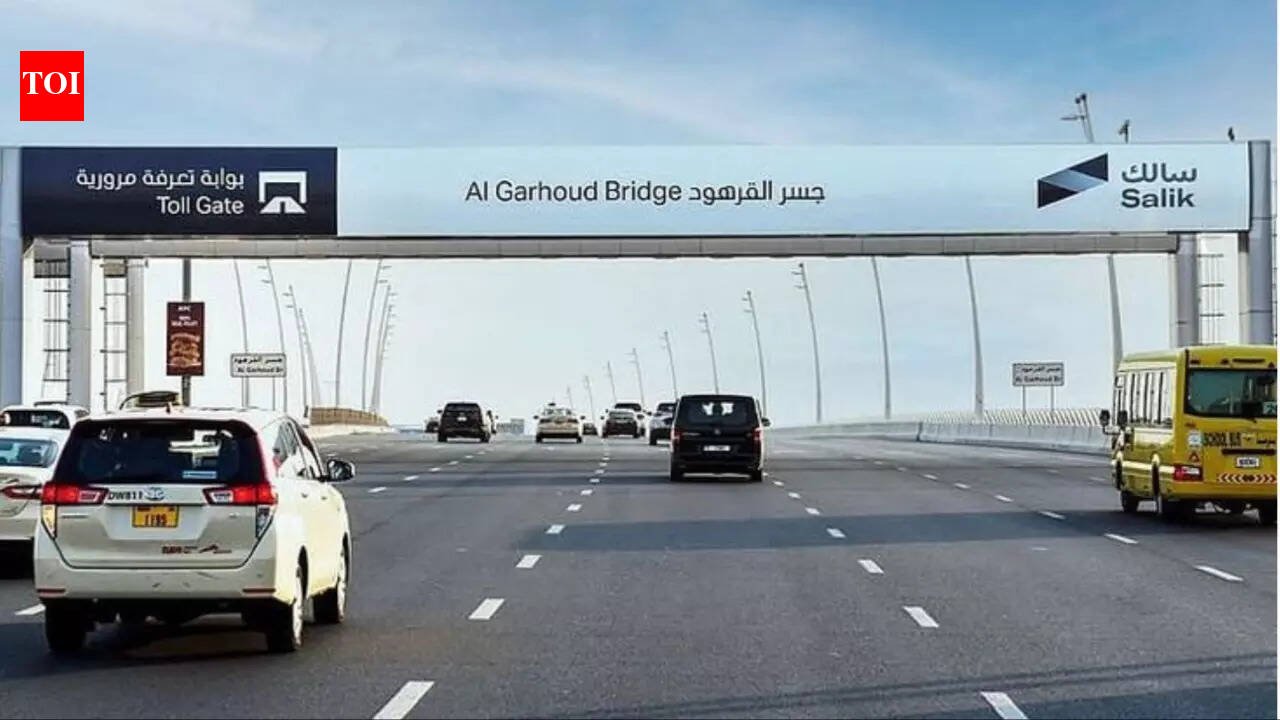
With Ramadan 1447 AH (2026) expected to begin in the UAE on either Wednesday or Thursday (around February 18–19), pending the official moon sighting on February 17, Dubai’s road toll operator Salik has announced changes to toll fees to reflect shifts in daily routines during the holy month. These updates aim to improve traffic flow and commuting comfort in line with altered work and school schedules across the city.
What is changing with Salik toll fees in the UAE
Salik has introduced a variable pricing structure for toll gates during Ramadan 2026 to better align with expected traffic patterns:
Monday to Saturday
- Dh6 (peak rate): 9 am – 5 pm
- Dh4 (off-peak rate): 7 am – 9 am and 5 pm – 2 am
- Free (off-peak): 2 am – 7 am
Sunday (excluding public holidays and events)
- Dh4 (both peak and off-peak): 7 am – 2 am
- Free: 2 am – 7 am
These adjustments reflect the shifted daily rhythm in Ramadan, where working hours and schooling usually start later and end earlier to accommodate fasting, prayer, and family time.
Why the Salik toll structure is changing in the UAE
The revised toll schedule is not simply about price, it is part of a broader strategy to smooth traffic flow across Dubai’s busiest routes during Ramadan:
- Later starts and shorter days during Ramadan mean peak travel times often shift compared to the rest of the year.
- Salik’s new timing accounts for this by extending lower toll periods into early evening and late night, periods when many residents are commuting for iftar (sunset fast-breaking) and evening prayers or social engagements.
- Free toll hours in the early pre-dawn period (2 am – 7 am) support non-peak travel and reflect typical reduced road usage.
Similar adjustments have been reported in other transport and city services as part of Ramadan preparation, including variable parking timings and public transport schedule shifts. These toll changes come alongside wider seasonal shifts across the UAE as communities prepare for Ramadan.Work hours and school schedules are reduced or revised for the holy month to help residents observe fasting and prayer times comfortably. Other services like parking fees and public transit operations are also adjusted to better align with Ramadan routines. The adjustments aim to support both residents and visitors during what is one of the most significant months in the UAE’s cultural and religious calendar.
Quick takeaways for UAE drivers
- Expect different Salik charges during Ramadan 2026, with peak hours now between 9 am and 5 pm.
- Off-peak and late-night travel is cheaper or free, encouraging motorists to travel outside busy hours.
- Adjust your commuting plans, especially around iftar and early mornings, to avoid unexpected toll charges.
As Ramadan approaches, keeping track of these changes can help drivers in the UAE plan trips more efficiently and avoid higher toll costs in peak windows.
