


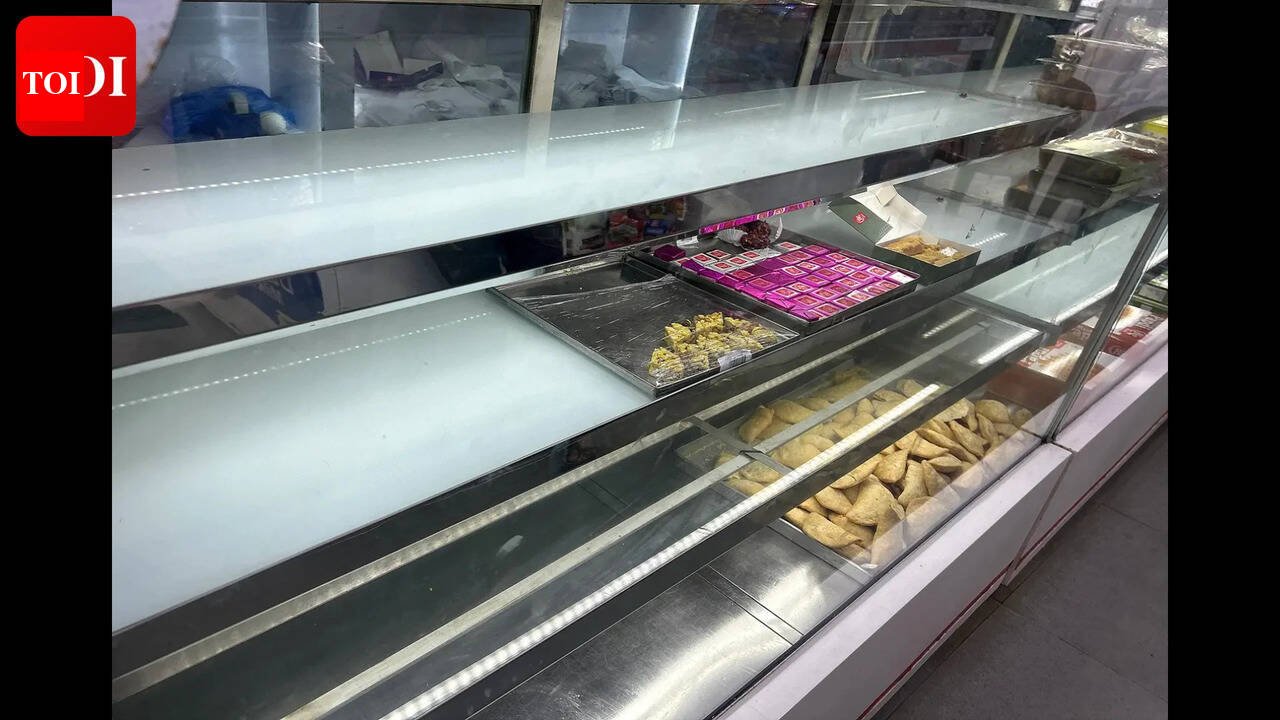
Panaji: At Shetye Sweets, the workers have discontinued rising early in the morning to fry gulab jamun, jalebi, and reduce milk into khoya for peda for the past four days.“We are only able to sell chips and farsan now,” the proprietor said, pointing to empty trays where freshly made sweets would normally be displayed.From reduced menus to halted production of popular mithais, the shortage of commercial LPG cylinders across Goa is beginning to hit its traditional sweet shops, as local sweet makers say the crisis is squeezing both operations and profits.At The Goan Laddoo, the menu has been trimmed to cope with both supply shortages and soaring costs. “We’ve reduced items like kharvas (colostrum pudding) and potato vadas—anything that takes long hours on the stove,” said proprietor Amey Vaingankar. He added that the situation has been worsened by the black-market sale of commercial LPG cylinders, with prices reportedly jumping from Rs 1,600 to as high as Rs 3,000. “It’s not just availability—it’s affordability too,” he said.In Mapusa, Anand Keni Sweetmart has also scaled back production of labour- and fuel-intensive items such as puran polis, jalebi, peda, and samosas. Proprietor Anand Keni expressed frustration at the supply crunch, saying businesses would rather absorb moderate price hikes than face a complete disruption. “Govt can increase rates of commercial LPG cylinders as we are ready to pay Rs 500–600 extra per cylinder. But how can we run a business if supply stops altogether?” he asked.However, not all sweet shops are equally affected. Larger establishments or those with diversified sourcing strategies have managed to cushion the blow. The staff at Big Mishra Peda, for instance, said that they source their sweets from Dharwad, ensuring uninterrupted supply. Similarly, Rasoda and Sweet Nation reported having sufficient stock to continue operations without major changes.Others are adapting by transitioning to other means. At Sunrise Sweets in Panaji, staff have turned to diesel-fuelled cooktops to keep production going. Despite rising input costs, the shop has so far chosen not to pass the burden onto customers. “Raw material prices have increased, but we haven’t raised our product prices yet,” a representative said.Shop owners warn that if the shortage persists, consumers may soon see even fewer choices at potentially higher prices across the state.For now, Goa’s iconic sweet counters remain open, but behind the scenes, many are operating under strain, hoping for a quick resolution to restore both supply and sweetness to normal.
