


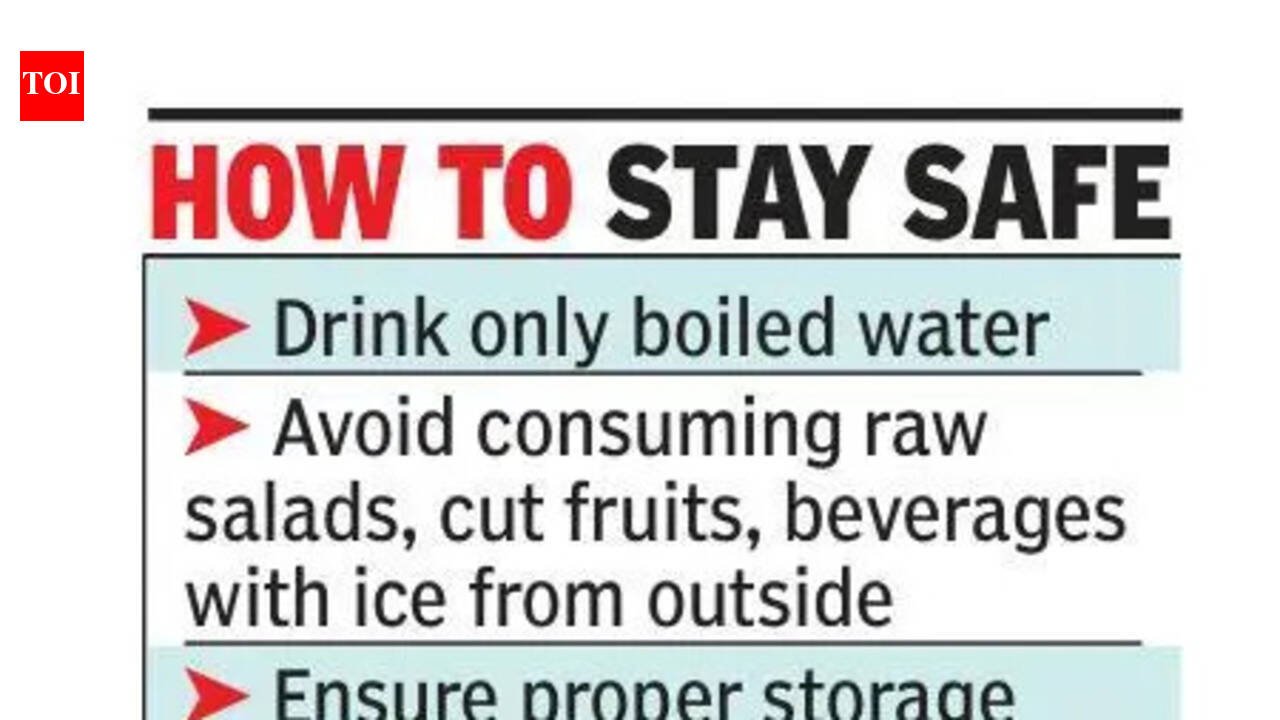
Bengaluru: As summer heat tightens its grip on the city, a surge in gastrointestinal (GI) infections is sweeping through outpatient departments. Contaminated food and unsafe drinking water, combined with dehydration and exhausting long-distance travel, are creating a perfect storm for illness. Patients are showing symptoms of vomiting, diarrhoea, stomach cramps and constipation. Since early March, doctors are seeing no fewer than 6-10 such cases every day. “We have been seeing a slight spike in gastrointestinal infections over the past couple of weeks, likely due to the onset of summer. The major causes are food contamination, poor hand hygiene — especially among children — and faster bacterial growth in food because of warmer climate. This can irritate the gut and lead to infections,” said Dr Amjad Khan H, head of emergency medicine, Fortis Hospital, Cunningham Road.“While we see such cases throughout the year, there has been a noticeable increase this summer. Usually, patients manage mild symptoms like two to three episodes of vomiting, diarrhoea or stomach cramps at home. However, this time we are seeing more severe cases, with patients reporting 10 to 15 episodes of loose motions per day, persistent vomiting and severe abdominal pain. Some are also presenting with low blood pressure,” he added.Doctors noted that families travelling during summer vacation are returning with bacterial GI infections, mainly caused by consumption of raw food that may not have been stored properly.“Lifestyle changes during holidays — like increased travel and eating out — also contribute to infections. People tend to consume more ice cream, fruit salads and street food, which can increase exposure to infections,” said Dr Vijay Kumar HJ, senior consultant, medical gastroenterology, hepatology & interventional endoscopy, KIMS Hospitals, Bengaluru.Other contributing factors include drinking water sourced from tankers and construction activity, leading to contamination. “During summer, as groundwater levels drop, many households are forced to depend on tanker water. It is difficult to ascertain the source of this water, and it is at a higher risk of contamination,” Dr Vijay said, adding: “Road and infrastructure work can damage BWSSB pipelines, leading to contamination.“Besides the usual GI infection symptoms, doctors observed some additional issues in patients. “We’re seeing increased acidity, bloating, constipation and loss of appetite, largely linked to dehydration, irregular meals and prolonged heat exposure. In a few cases, fatigue and dizziness are early signs of electrolyte imbalance,” said Dr CM Parameshwara, CEO & founder, Smiles Institute of Gastroenterology.He noted another trend: “There is a rise in anorectal conditions such as piles, fissures and abscesses, largely driven by summer-related dehydration. When fluid intake drops, stools become harder, leading to straining and increasing the risk of these conditions. Irregular eating habits, low fibre intake and changes in diet during travel further aggravate the problem.”
