


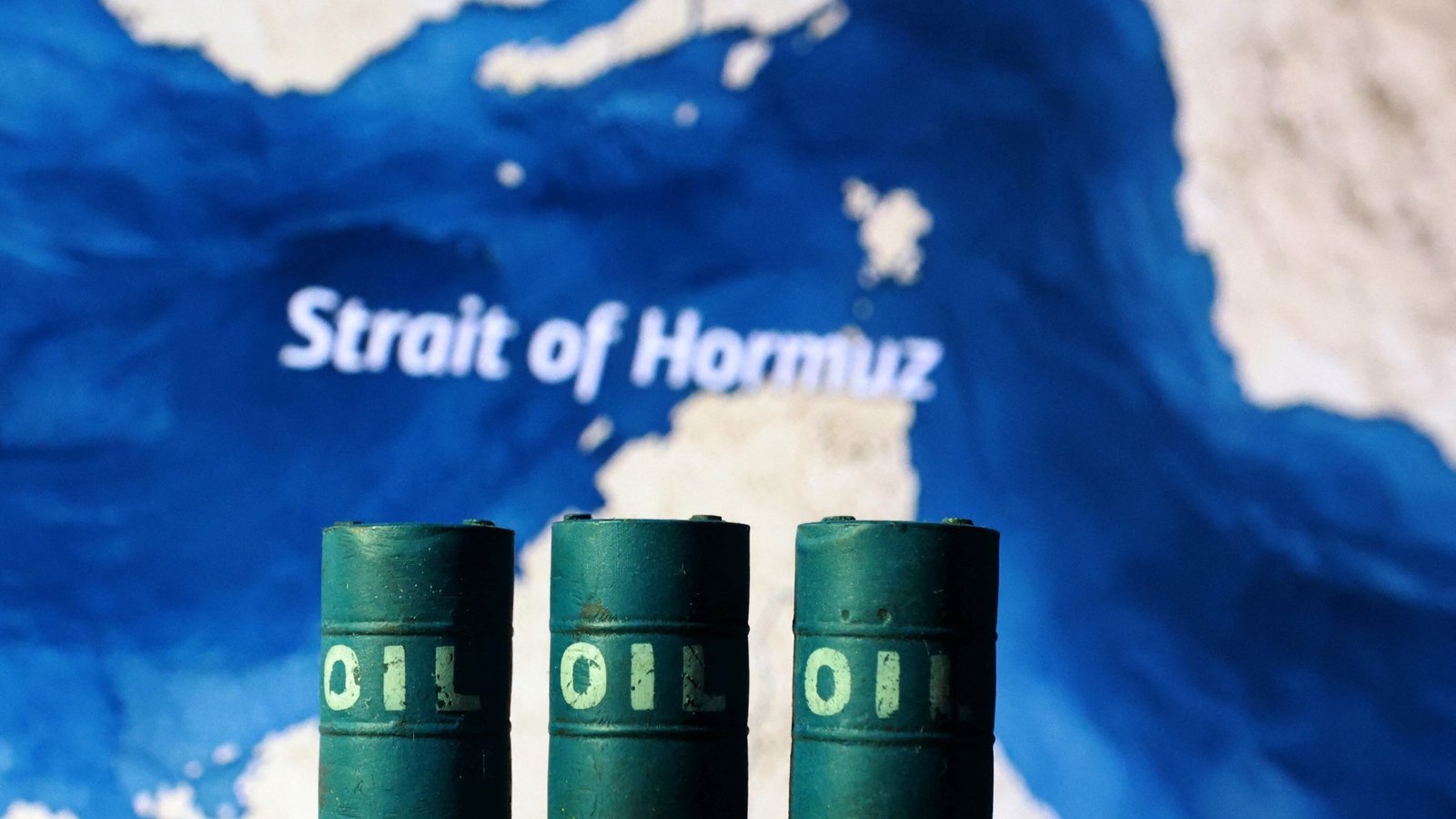
Iran’s chokehold of the Strait of Hormuz, one of the most essential trade waterways in the world that hosts around a fifth of the world’s energy trade, has crippled oil supply to several countries. Many nations which heavily depend on the Middle East for their oil supply have resorted to measures such as switching to a four-day work week and less use of air conditioning.
However, as the war between Iran and the United States enters its second month on Saturday, some ships are finding their way through the Strait of Hormuz but the volume remains far lower in comparison to what it was before the war.
Track live updates of Iran-US war here
According to reports, while over 100 ships would pass through the waterway each day on an average before the way, that number now lies in single digits to as low as three to four. However, among the vessels that have passed through the Strait of Hormuz over the past month amid the war which refuses to de-escalated are some that reached or are reaching India.
Which countries’ vessels pass through the Strait of Hormuz and which don’t?
In a huge relief for India amid a “concerning” situation around the Liquified Petroleum Gas (LPG) situation, Iran earlier this week named it one of the few “friendly nations” that would be allowed to pass through the otherwise effectively closed waterway.
On Saturday itself, two Indian-flagged ships carrying LPG, BW Tyr and BW Elm, started transiting the Strait of Hormuz, HT reported earlier citing a person aware of the development who requested anonymity.
Also read: Two more India-flagged LPG carriers started transiting Strait of Hormuz
Over the last month, at least five ships have arrived in India after crossing the Strait of Hormuz so far, which includes Pine Gas, Jag Vasant, Shivalik and Nanda Devi, which carried LPG, and Jag Laadki, which carried crude oil.
In this situation, India finds itself in the company of nations such as China, Russia, Iraq and Pakistan.
On Thursday, Consulate General of Iran in Mumbai said in a post, “Iran FM Abbas Araghchi: We permitted passage through the Strait of Hormuz for friendly nations including China, Russia, India, Iraq, and Pakistan.”
Apart from the countries mentioned by Araghchi, Thailand and Malaysia have also claimed that they have been assured by Iran that their ships will be allowed to pass through the Hormuz waterway.
However, among the vessels which Iran has clearly refused to pass through the Strait of Hormuz are those linked to the United States and Israel and their allies.
Iran said in a letter to International Maritime Organization on Tuesday, “Non-hostile vessels, including those belonging to or associated with other States, may – provided that they neither participate in nor support acts of aggression against Iran and fully comply with the declared safety and security regulations – benefit from safe passage through the Strait of Hormuz in coordination with the competent Iranian authorities,” reported Al Jazeera.
Also read: Iran’s message to Gulf neighbours it is bombing: ‘If you want security…’
Iran charging a toll to cross the Strait of Hormuz?
Iran’s Parliament is currently mulling to levy a toll on ships passing through the key trade waterway and is seeking to pass a legislation to implement the same.
A draft law for the same has been prepared and is in process to be finalised by the legal team of the Islamic Consultative Assembly, Iran’s Tasnim and Fars news agencies quoted chairman of parliament’s Civil Affairs Committee as saying.
“According to this plan, Iran must collect fees to ensure the security of ships passing through the Strait of Hormuz,” said an official, reported Iranian media.
“This is completely natural. Just as in other corridors, when goods pass through a country, duties are paid. The Strait of Hormuz is also a corridor. We ensure its security, and it is natural for ships and tankers to pay us duties,” he added.
However, according to a report by shipping journal Lloyd’s List on Wednesday, some ships are already being charged to go through Hormuz. US Secretary of State Marco Rubio questioned the legality of the move and called it “unacceptable”.
“One of the immediate challenges we’re going to face is an Iran that may decide that they want to set up a tolling system in the Strait of Hormuz. Not only is this illegal, it’s unacceptable, it’s dangerous for the world,” Rubio said.
Around 2,000 ships on both sides of the Strait of Hormuz are awaiting their transition through the waterway, International Maritime Organization Secretary-General Arsenio Dominguez told Al Jazeera.
