


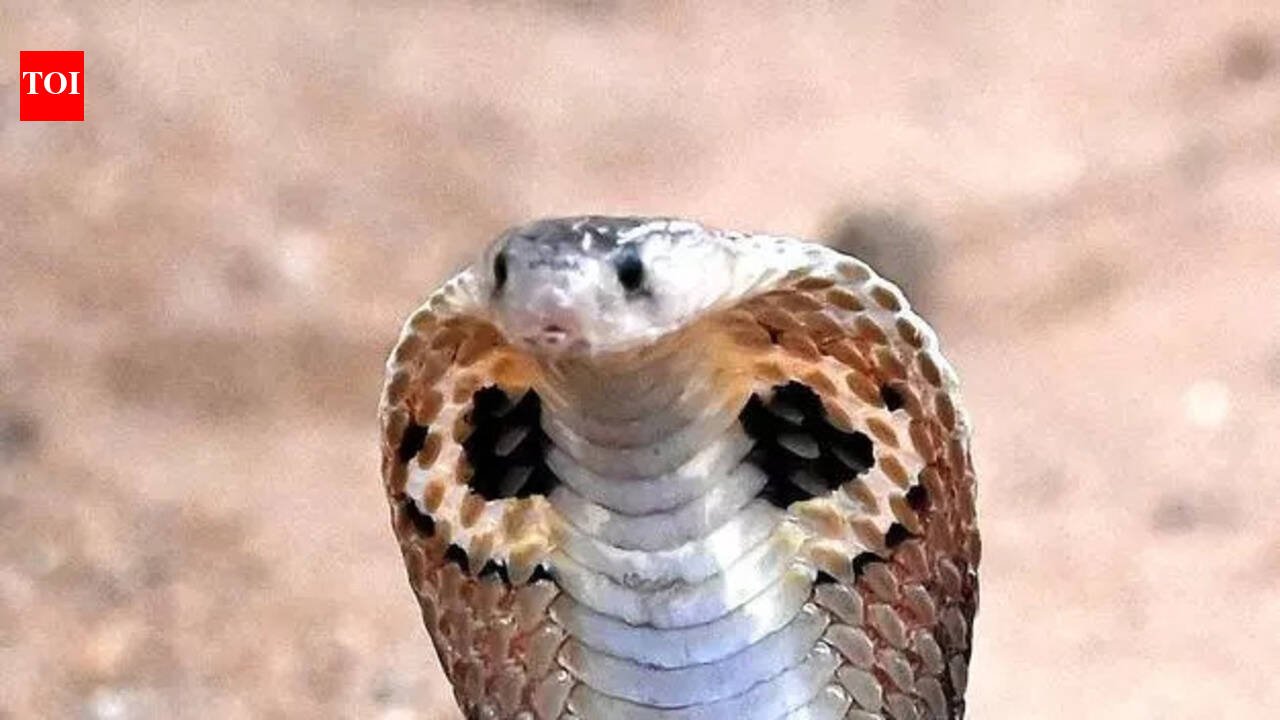
Mangaluru: Snakebites continue to pose a serious medical emergency in coastal Karnataka, with cases regularly reported from peripheral regions such as Puttur, Sullia, and Belthangady. Dr Jeedhu Radhakrishnan, cluster head, emergency medicine, KMC Hospital, said that while awareness improved over the years, myths and delays in seeking treatment continue to put lives at risk.“On average, we see one or two snakebite cases every week. Most patients come from rural areas and initially seek treatment at local centres or try traditional remedies,” Dr Radhakrishnan told TOI.He explained that cases peak between April and Oct. “During extreme summer, snakes leave their burrows in search of cooler surroundings. In the rainy season, flooding forces them out of their habitats and into dry areas, increasing the chances of human contact. They are naturally shy creatures, and most bites occur accidentally when humans unknowingly step on or disturb them,” he noted.Farmers and agricultural workers are among the most vulnerable. “Most bites occur early in the morning when farmers walk through paddy fields or step outside in low visibility. Many victims are barefoot or lack proper protective footwear. The common venomous snakes in the region include the cobra, krait, and viper. While cobra and viper bites are usually painful and immediately noticeable, krait bites can be painless. “Krait bites often feel like a mosquito bite. Many victims ignore it and go back to sleep, only to develop serious complications later,” Dr Radhakrishnan said.He also highlighted dangerous myths that continue to persist. “Many people believe doctors need to see the snake to provide treatment, so they attempt to catch and bring it to the hospital. In one incident, a snake escaped inside the emergency department, causing panic,” he recalled.In another case, three family members were bitten while trying to catch a snake that bit a child. “They chased the snake to identify it, and both the father and uncle were bitten. Fortunately, all were treated successfully,” he said.Dr Radhakrishnan clarified that in India, polyvalent Anti-Snake Venom (ASV), which is effective against cobra, krait, and viper bites, has been used. However, he warned against harmful first aid practices. “Tying a tight tourniquet can cut off blood supply and lead to limb loss. Cutting the wound or sucking the venom increases infection risk and does not help. Similarly, so-called ‘snake stones’ have no scientific value and only delay treatment,” he said.He stressed that prevention and early treatment are critical. “Wearing boots, using a torch at night, and keeping surroundings clean to prevent rodents can reduce snake encounters. If there is any suspicion of a snakebite, do not wait. Reach a hospital immediately. Early treatment within the golden hour greatly improves survival,” he added, emphasising that timely medical care saves lives. GFXSnakebite SOS: Act Fast, Avoid Myths* Wear boots, use a torch, keep surroundings clean.* Go to a hospital immediately if you suspect a bite; early care saves lives.* No tourniquets, no cutting, no sucking, no ‘snake stones’.* Don’t try to catch the snake — it’s risky and unnecessary.* Risk peaks Apr–Oct; farmers and barefoot workers are most exposed.
