


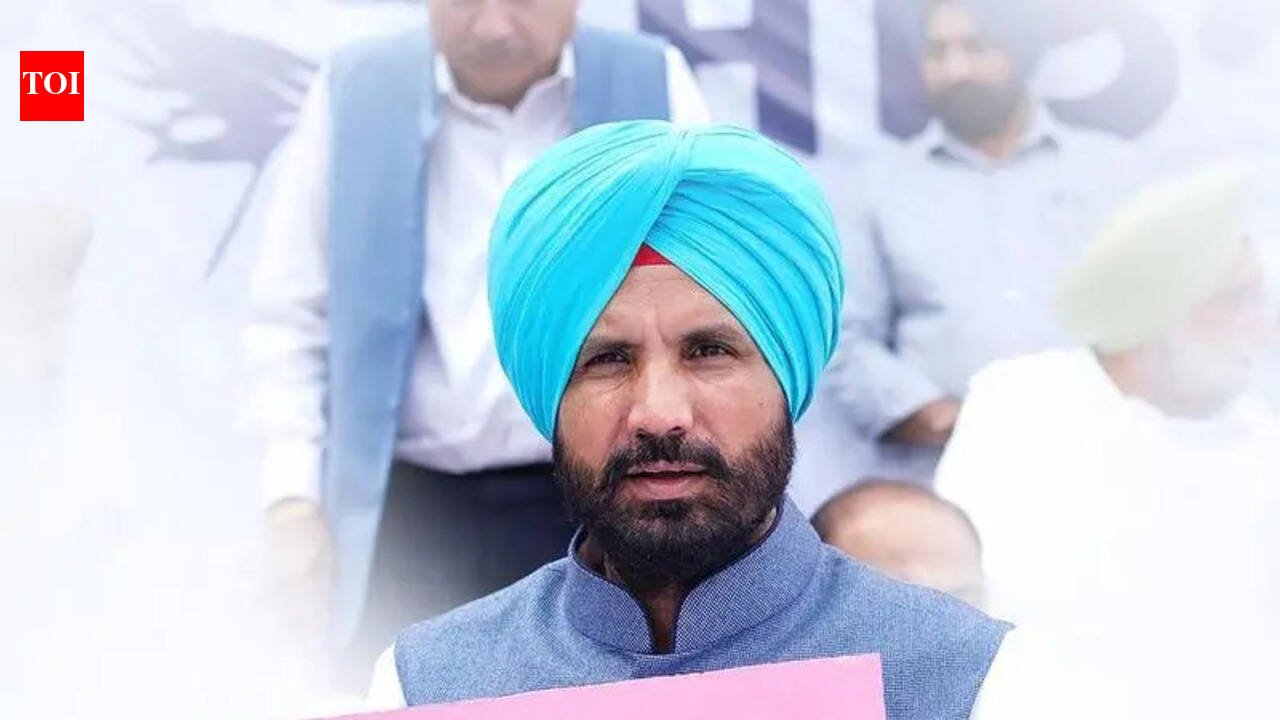
Jalandhar: The controversy over a possible CBI probe into the case linked to Punjab Warehousing Corporation district manager Gagandeep Randhawa has once again exposed the Congress’s continuing struggle to present a cohesive political line in Punjab.The issue gave the party an opportunity to keep the ruling Aam Aadmi Party (AAP) on the defensive after Randhawa’s suicide on March 20. Congress, along with the BJP and Shiromani Akali Dal (SAD), had helped build pressure that eventually led to the registration of an FIR against minister Laljit Singh Bhullar.Congress MPs also stepped up the pressure at the national level. Four party MPs wrote to Union home minister Amit Shah seeking a CBI probe, while MP Gurjit Singh Aujla, speaking in the Lok Sabha, sought an NIA probe and was assured action by the home minister. However, the political momentum appeared to shift after the opposition’s joint protest in Chandigarh, when the BJP and SAD turned their attack towards the Congress itself, questioning why Punjab Congress president Amrinder Singh Raja Warring had not proactively demanded a CBI inquiry.That line of attack appeared to put the Congress on the defensive. While leader of opposition Partap Singh Bajwa and Warring both denied any internal differences, the party’s response lacked the sharpness and coordination expected of the principal opposition.The perception of disunity was reinforced by the relative silence of several senior Congress leaders, many of whom did not publicly rally behind Warring. Instead of driving the narrative, the party appeared to be explaining its position. Both Bajwa and Warring issued clarifications emphasising that their stand was nuanced and that there was no contradiction within the party, but by then the Congress had already ceded political ground.That shift also gave AAP some breathing space, as the narrative briefly moved from pressure on the ruling party to questions over the Congress’s own strategy.The episode also underlined the Congress’s larger dilemma over central agencies. Nationally, Rahul Gandhi and other senior Congress leaders have repeatedly accused the BJP-led Centre of using agencies such as the CBI for political purposes. In Punjab too, the Capt Amarinder Singh-led Congress govt had withdrawn general consent to the CBI in 2020, citing its experience in the 2015 sacrilege cases.Against that backdrop, Warring’s public scepticism over the CBI’s fairness was not ideologically out of line with the party’s national position. Yet the absence of a sharper, unified articulation allowed rivals to define the debate. Over the past week, the issue has also visibly lost political steam, underlining how quickly the Congress surrendered the initiative on a matter where it had initially found traction.
