
What are the key features of Patna Kalam and how is it different from Mughal painting?
Patna Kalam, or Company Paintings, flourished in Bihar between the 18th and 20th centuries as a unique Indo-European school of painting that focused on the daily lives of common people, distinct from the earlier elite-centric Mughal art. The key characteristics of Patna Kalam include depictions of everyday activities of vendors, artisans and labourers, besides festivals and scenes from ordinary life.
Unlike Mughal art, which largely portrayed royal, courtly and fantasy scenes with lush green backgrounds, Patna Kalam centred on the common man, mundane routines and realistic, simple backgrounds.
How did this popular art form decline?
Patna Kalam paintings, which dominated Bihar and other parts of the country for more than two centuries, began to fade with the weakening control of the East India Company over local populations, a decline in British patronage and, to some extent, the advent of photography. The departure of the British from India and the end of the princely states led to its rapid decline.
What is the current status of Patna Kalam?
Once known as one of the first independent schools to document the lives of ordinary people, Patna Kalam is still regarded as a vital part of Bihar’s artistic heritage. Along with other social and cultural organisations, INTACH has been striving to popularise this art form among the masses and ensure its revival.
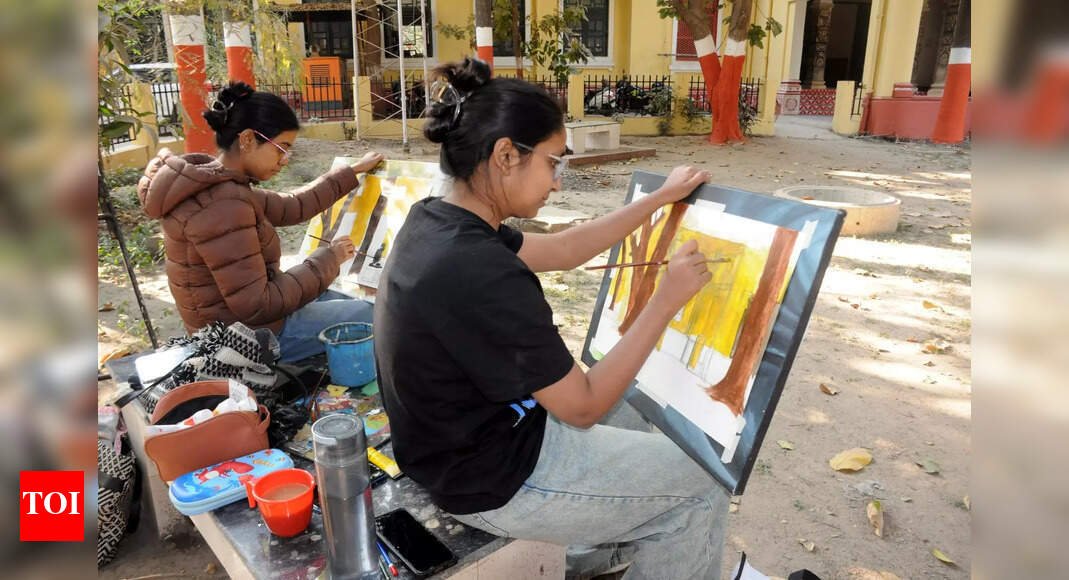
Targeted efforts, including art workshops, exhibitions and educational initiatives supported by Intach and the Bihar Museum, are being undertaken in this direction. The recently organised exhibition titled “Patna Kalam: Ek Virasat” at the Bihar Museum attracted a large number of people interested in this art form.
Do you think Patna Kalam will be revived any time soon?
With our sincere efforts and the encouraging support of the people as well as the authorities concerned, I am sure this art form will see a comeback. Intach has organised several training programmes at different places in the state to teach the younger generation the techniques of Patna Kalam, with descendants of the original painters participating in efforts to restore the tradition.
In addition, some contemporary artists are reinterpreting the style, which blends Mughal refinement with local realism, for modern audiences in an attempt to restore the glory of Patna Kalam.
