


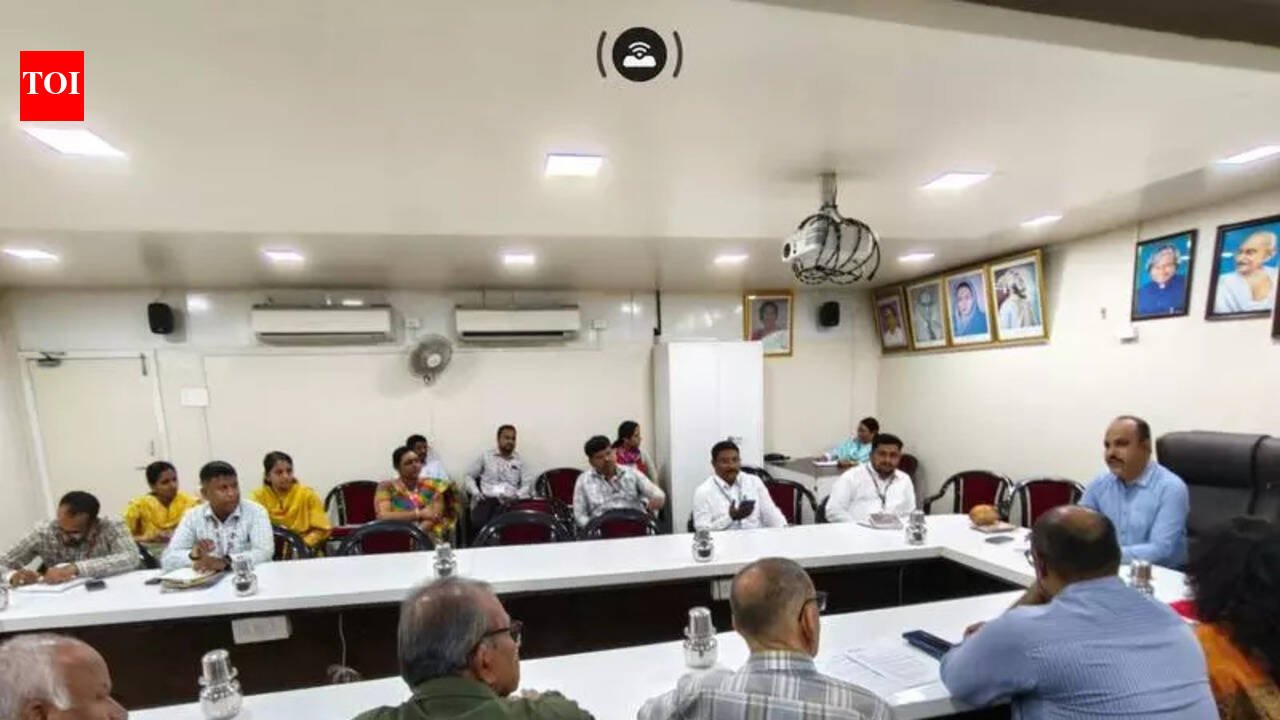
Pune: The term ‘mohalla’ implies a close-knit, locality-based social unit according to its definition. A key cog in the machinery of urban governance, this unit is central to the decades-old practice of ‘mohalla committee’ meetings — which in turn serve as an occasion for regular and direct contact of citizens with civic officials.But this end-of-each-month good practice has all but faltered in Pune, that too at a juncture when the city is developing too rapidly for its existing resources. For instance, Bavdhan Citizens Forum (BCF) core-member Manish Deo pointed out: “The last mohalla committee meeting for the Kothrud-Bavdhan ward office took place in Sept 2025 and after that, it kept getting postponed by Pune Municipal Corporation (PMC) officials citing civic elections. Mohalla committee meetings are extremely important for residents as they help get face-time with civic officials to solve small and big issues.” “Many citizens who attend these meetings are working professionals, and we keep checking with ward officials for the meeting date as we have to apply for leave at work in advance. Residents make all efforts to attend these meetings, and we want officials to do the same by organising them every month,” he added. Why is it so necessary? Mohalla committee meetings are typically held in the last week of every month, and each ward has a different day dedicated to them. Some ward offices resumed these meetings post-elections, but in other wards, residents continue to request officials for some time. Frustrated by their inaction, residents from different wards on Feb 26 visited the PMC headquarters to submit their respective letters, demanding that these meetings resume at the earliest. They insisted that the interactions are crucial not just for citizens to raise issues, but also for officials to give updates on various ongoing and future projects. Founder-member of the Sahakarnagar Citizens Forum (SCF) Indraneel Sadgale said that it is strange how the meetings are taking place in some wards and not in others. “It is understandable that the meets would be put on hold during elections as civic officials had an additional workload, but they should also resume immediately. The last meeting for our ward took place in Nov 2025.” “Decentralisation of PMC is important as citizens can pose questions directly to officials from various departments in one meeting. These interactions can also help resolve chronic issues within a ward. There are detailed minutes of meetings, so it is easier to follow up on issues and actions taken for previously raised grievances. These meetings form the basis for participatory democracy and the transparency that citizens expect from civic authorities,” he added. As the residents were unable to meet PMC commissioner Naval Kishore Ram when they went to his office on Thursday last week, they handed over the letters to deputy commissioner for solid waste management, Avinash Sakpal. Their top demand was to resume mohalla committee meetings at the earliest. They also demanded that the missed meeting for Feb be held in the first week of March. “Discontinuing this platform risks creating a representative-only-centric system, whereas the essence of a healthy democracy lies in active citizen participation,” said Shyamala Desai, president of the National Society for Clean Cities, an umbrella body that guides mohalla committees. Other means missing, too Besides mohalla committee meetings, there are two other forms of participatory governance for citizens as per the law — area sabhas and ward committees — explained Ravindra Sinha, convenor of the group Citizens for Area Sabha. “The provisions for area sabhas are intended for registered voters in an area to suggest development priorities, public amenities, and identify deficiencies in civic services. However, state govt never issued a notification to enforce it. Bombay high court while hearing a 2019 PIL stated that it hoped govt considers notifying the appointed date at the earliest in the spirit of the legislation,” Sinha said. “Similarly, for ward committees, three members of the public representing recognized NGOs and community organizations must be nominated. To enforce this, Bombay HC issued a strict order while hearing another PIL in 2019, specifically directing municipal authorities to comply with the law and ensure that such citizen representatives are nominated. But that order’s implementation is also not happening,” he added. Mohalla committee meetings may currently provide a platform for citizens to interact with officials, but they are in essence forums for citizens to raise grievances. According to activists, to ensure that citizens are true stakeholders in urban governance, it is actually critical that state govt enforces the legally binding participation guaranteed through area sabhas and ward committees. Resolution in sight A day after the visit by citizens to PMC, deputy commissioner Sakpal on Friday issued a letter to all assistant municipal commissioners to resume mohalla committee meetings immediately. His missive said, “Mohalla committee meetings are important so that officials can learn of the issues and complaints of residents and resolve them promptly. It is expected that these meetings are held to increase citizens’ participation and cooperation in civic projects. However, we have recently been made aware that all ward offices are not conducting these meetings every month. It has also been found that the committee members are not informed about the minutes of the meetings and action is not taken as per the minutes.” The letter further directed assistant municipal commissioners to remedy the situation immediately. “Mohalla committee meetings should be organized under all ward offices every month and a detailed report with the minutes of the meeting and action taken as per the minutes should be submitted to the solid waste management department,” Sakpal’s diktat read.Cornerstone of participatory governanceOur last meeting was in Oct 2025 and after that, it was put on hold because of elections. We cannot go to corporators for small maintenance or repair works and so, these meetings are crucial. When there were no corporators, these meetings ensured accountability. Interaction between citizen representatives and civic officials is key for seamless governance. We have requesting the ward office for many weeks now to hold these meetings, without any luck — Prajakta Kagade | Member, Karvenagar Citizens Forum________________Mohalla committee meetings provide a platform for citizens and authorities to get some one-on-one face-time and there is no alternative for this. It acts as an open forum for discussions, which is crucial for proper and balanced development of our wards. It also helps citizens understand how governance systems function. We have requested that since the meetings have not been held for so long, the Feb meeting should be held in the first week of March and the March meeting as usual in the last week of the month — Manoj Joshi | member, Vedbhavan Citizens Forum________________Fostering citizen participation is a core responsibility of the administration. In this regard, we want immediate resumption of meetings and wide publicity of scheduled meetings by ensuring that the date, time, and venue are available on the PMC website, social media handles and ward office notice boards. We also want the minutes of the meetings to be made public to allow citizens to track progress — Shyamala Desai | President, National Society for Clean Cities
