


Modern cricket isn’t just about what happens on the field anymore. Players today carry their identity off it as well, especially in the age of social media. And sometimes, one wrong move online can create as much noise as anything in a match. The Pakistan Cricket Board made that clear recently.

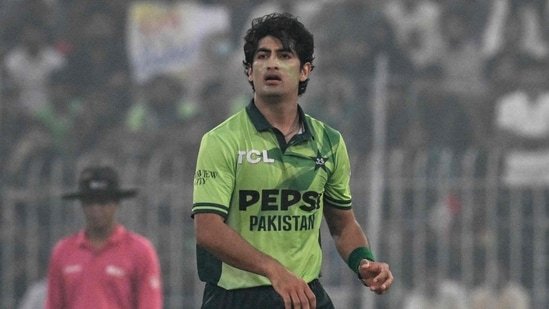
Naseem Shah, the 23-year-old fast bowler, found himself at the centre of a controversy after a post from his account appeared to take a dig at Punjab Chief Minister Maryam Nawaz, asking, “Why is she being treated like a queen at Lord’s?” He later claimed that his account had been hacked, but by then, the conversation had already gathered momentum.
The PCB didn’t take long to respond. A PKR 20 million fine and a show-cause notice followed, sending a strong signal that the board is not willing to overlook such issues. It also made one thing clear: players, along with those managing their social media accounts, will be held responsible if guidelines are breached.
ALSO READ: PCB suspends Fakhar Zaman after Pakistan batter found guilty in PSL ball-tampering scandal
At first, it seemed like just another controversy. But the response showed it was about something bigger. This isn’t just about one post—it’s about discipline, responsibility, and how centrally contracted players are expected to conduct themselves off the field.
In today’s social media landscape, players can build a strong personal brand and unlock new opportunities. But it works both ways—one mistake can damage that image just as quickly. For boards, that’s a risk they cannot afford, especially when it involves key players.
The PCB has set a clear tone: players are expected to follow guidelines, understanding that they represent more than just themselves. They represent the board, the country, and the next generation watching them.
This isn’t a one-off case. Across the game, boards are keeping a closer watch as players grow in influence. That balance between personal expression and responsibility is becoming harder to manage, and social media teams now have a bigger role to play than ever.
In the end, modern cricketers need to realise that everything is under the spotlight—whether it’s a spell with the ball, an on-field incident, or even a post online. The margins between success and failure are no longer confined to the field; they exist everywhere.
